
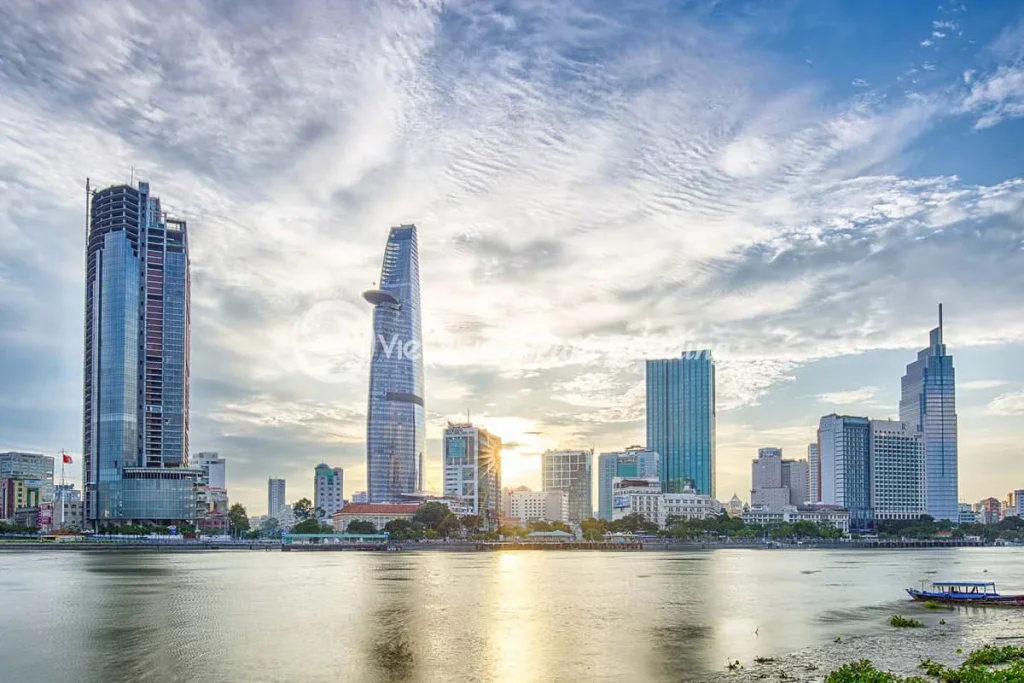
Ho Chi Minh City team challenges should be designed around places and activities that the organizer is allowed to use. Saigon Local Tour’s attraction guide for MICE delegates can inform the sightseeing discussion. A place’s appearance in a travel guide is not permission to run a company game there. Keep the cultural visit and the challenge design compatible, and confirm the operating conditions for the actual route.
Define A Challenge That Requires Cooperation
Choose what teams need to do together before choosing a route. If every task can be completed by one fast participant carrying a phone, most of the group becomes an audience. Distribute meaningful roles instead. One person might read the clue, another record an observation and another check the team’s explanation against the task. The team should need a shared decision to complete the challenge.
A company objective can be expressed through the process without turning the city into a business classroom. For example, a team could compare two possible interpretations of an agreed observation and explain why it chose one. The lesson concerns how colleagues exchange information. It does not need to imitate a television race or create a competition over who moves fastest through public spaces.
Keep the task understandable for participants who are unfamiliar with Vietnam. Instructions should not depend on local knowledge unless the guide has introduced it or a clue provides enough context. Agree how hints work so a team that struggles with language can still participate.
Decide What Must Be Confirmed For Each Checkpoint
Every checkpoint needs a purpose and an operating arrangement. Specify what the team does, where it waits and how it leaves. If a venue receives other visitors, its ordinary activity takes priority. Get the relevant agreement for group activities, photography and any equipment. Confirm the permitted behaviour rather than assuming a small game will be accepted because it looks harmless.
| Checkpoint question | What the organizer needs | If it is unresolved |
|---|---|---|
| Can the task take place here | Venue or site agreement for the proposed activity | Use another agreed point |
| Where do teams wait | A suitable holding area and rotation plan | Reduce simultaneous teams |
| What proves completion | A clear observation, answer or staff record | Simplify the evidence rule |
| How do teams move on | Guide instructions and an agreed transition | Keep the group together |
Do not make residents or businesses involuntary participants. Tasks involving shop staff, purchases or portraits need prior agreement where appropriate. A respectful observation exercise is a better fallback than asking participants to negotiate, perform or photograph people without a clear arrangement.
Choose A Route For The Group You Actually Have
A route has to work for the participants’ walking preferences, required assistance and available time. Ask the travel team to assess the route and regrouping points in the conditions expected for the visit. Distance on a map does not explain how long a company group takes to arrive, gather, listen to a briefing and continue together.
Keep the challenge area compact when the programme needs a reliable finish. Several short tasks within an agreed venue or connected area may be easier to manage than widely separated city stops. If transport is required, decide whether teams travel together or on an agreed rotation. A coach transfer is part of the activity schedule, not an invisible gap between checkpoints.
Participants should receive one clear movement rule. Do not reward independent taxi journeys, road shortcuts or breaking away from the guide. If an observation is no longer feasible on the day, the organizer should replace or cancel that task through the agreed contact rather than encouraging teams to improvise access.
Rotate Teams To Avoid A Queue At Every Stop
Starting every team at the same checkpoint produces waiting that the activity designer could have predicted. Where the venues and staffing support it, teams can begin at different points and follow a planned rotation. Use a shared timing signal and tell each team what to do if its next point is occupied.
Consider an illustrative group of 36 in six teams. If three checkpoints each host two teams at a time, the programme needs tasks that genuinely accommodate two groups without interference. Otherwise, split the session or add an agreed holding activity. The arithmetic of team rotation must match the available space and supervision; a drawing with six arrows does not prove the route will work.
A compact planning example is a 90-minute session: 15 minutes for briefing, three 15-minute task rounds, 15 minutes in total for agreed transitions and 15 minutes for a shared finish. These blocks total 90 minutes, but they are not travel-time estimates for Saigon. A real route needs a site-specific schedule and any extra time that the travel team identifies.
Score The Task Rather Than Speed Through The City
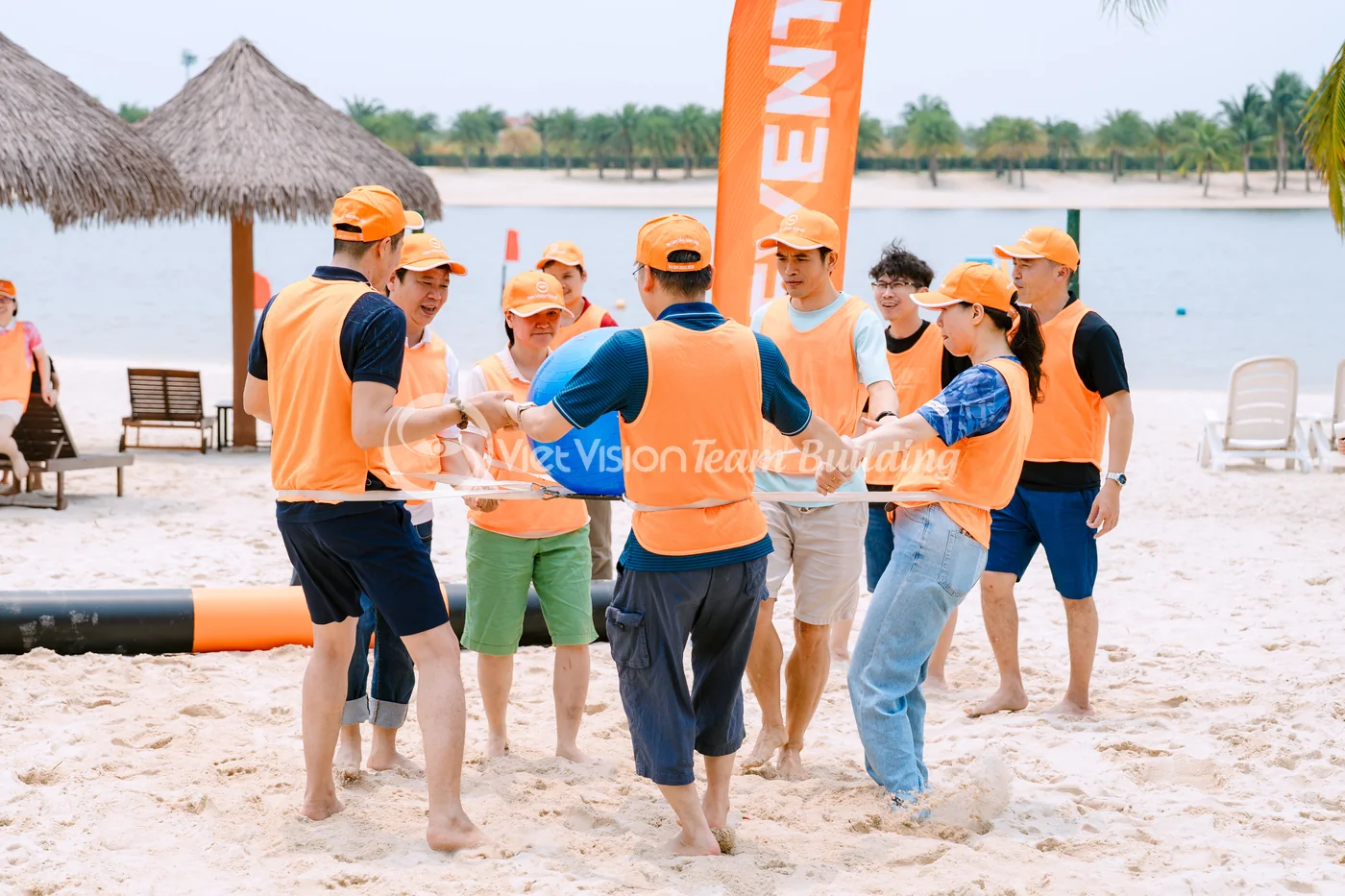
Explain the scoring before teams leave. A clear scheme might assess the accuracy of an observation, the team’s explanation and whether all members took an agreed role. Give examples of acceptable evidence. If a photograph is needed, explain what it should show and whether people outside the group may be included.
Comparable teams should face comparable conditions. Do not give one group a much longer route and then compare finish times directly. When checkpoints differ, judge the agreed task outcomes rather than pretending the conditions are identical. A tie-break can be a short shared question or a joint recognition, decided before the event.
For a broader framework on matching a challenge to company objectives, review Viet Vision Team Building’s corporate Amazing Race guide. The guide is in Vietnamese and discusses choosing the format and preparing a company brief. Use it to frame questions about roles and facilitation; it is not a confirmed city route or permission to operate at a particular Saigon attraction.
Make The Finish Worth Returning For
The finishing point should be confirmed before the challenge starts. Tell participants where to regroup, who checks that all teams have arrived and how results will be announced. Leave enough time for the team to explain a discovery rather than moving directly from the last clue to the next coach.
A useful closing question is specific to the task: “What information changed your first decision?” or “How did you make sure quieter colleagues contributed?” Keep it voluntary and concise. The organizer can note an interesting observation without turning it into a claim that the activity improved company performance.
Recognition should reflect the stated objective. If the programme emphasized cooperation, acknowledge a thoughtful explanation or supportive behaviour alongside any overall winner. Participants should understand why a team was recognized, and the final moment should close the experience rather than reopen a disputed scoring rule.
Ask For A Route Brief Before Confirming The Activity
Request the proposed checkpoint plan, permission dependencies, participant instructions and finish arrangements. Ask who can amend a task and how changes reach every team. Confirm the delivery language and whether the same guide stays with the group throughout the travel portion.
When you discuss the city visit with Ho Chi Minh city tours, share the activity objective as well as the preferred sightseeing stops. The travel team can then assess whether the proposed discovery and challenge belong in the same window. A shorter, agreed route with clear participation is often a more workable company experience than a long list of tasks spread across the city.

Frequently Asked Questions
Does A City Challenge Have To Be A Race
No. Teams can complete observation and decision tasks without being judged on speed. Choose scoring that fits the company purpose and the agreed conditions of the route.
Can Any Tourist Attraction Be Used As A Checkpoint
No. Confirm that the proposed group activity is permitted and practical there. A travel listing describes a visitor option, not approval for games, equipment or group photography.
What Should The Organizer Confirm About Scoring
Confirm the criteria, evidence, judging contact and tie-break before the activity. Check that the scheme remains fair when teams use different routes or receive different timing windows.
