
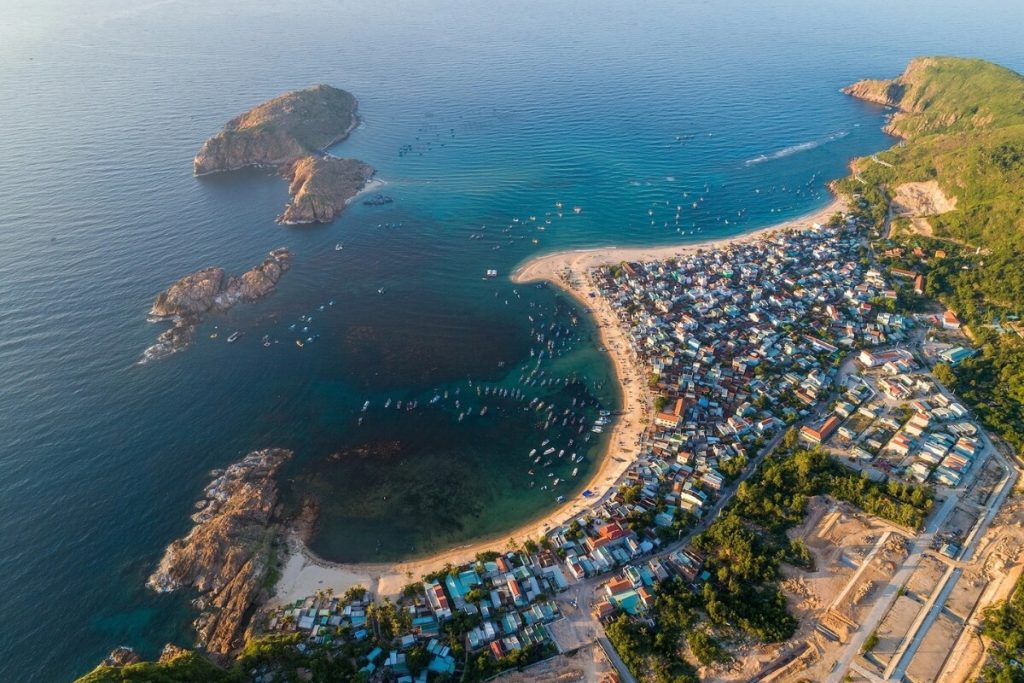
Located in south-central Vietnam, Quy Nhon Vietnam is an appealing destination for travellers who want to explore beyond the country's busiest tourist centres. You can spend a morning swimming in clear water, discover centuries-old temples in the afternoon and enjoy freshly prepared seafood by the sea in the evening.
Whether you are planning a relaxing beach holiday, a cultural getaway or a longer journey through Vietnam, this guide covers the best things to do in Quy Nhon, when to visit, where to stay, how to get around and which tours can help you make the most of your time. If your Vietnam itinerary also includes the southern region, explore our Ho Chi Minh City tour options to discover the vibrant streets, cultural landmarks and local food experiences of Saigon.
Where Is Quy Nhon Vietnam?
Quy Nhon is a coastal city in Binh Dinh Province, in Vietnam's south-central region. Facing the East Sea, the city is surrounded by sandy beaches, rocky headlands, fishing villages and a landscape that changes quickly from urban waterfront to open countryside.
Its location makes Quy Nhon an interesting addition to a wider Vietnam itinerary, particularly for travellers exploring the central coast between destinations such as Da Nang and Nha Trang.
Unlike some of Vietnam's more heavily developed beach destinations, Quy Nhon offers a combination of accessible city attractions and quieter coastal areas. The main beach runs alongside the city centre, while places such as Ky Co, Eo Gio and Bai Xep provide opportunities to discover a more scenic side of the region.
Quy Nhon is also an important destination for understanding Cham heritage. The surrounding area contains historic towers associated with the ancient Champa civilisation, adding cultural depth to a holiday that might otherwise focus entirely on the beach.
For visitors who value both comfort and discovery, Quy Nhon is a destination where it is easy to combine a stay in a well-appointed hotel with guided sightseeing, local food experiences and excursions along the coast.
Why Visit Quy Nhon Vietnam?

The best reason to visit Quy Nhon is its variety. Rather than offering just one major attraction, the destination brings together several experiences that appeal to different kinds of travellers.
Beautiful Beaches Without the Big-Resort Atmosphere
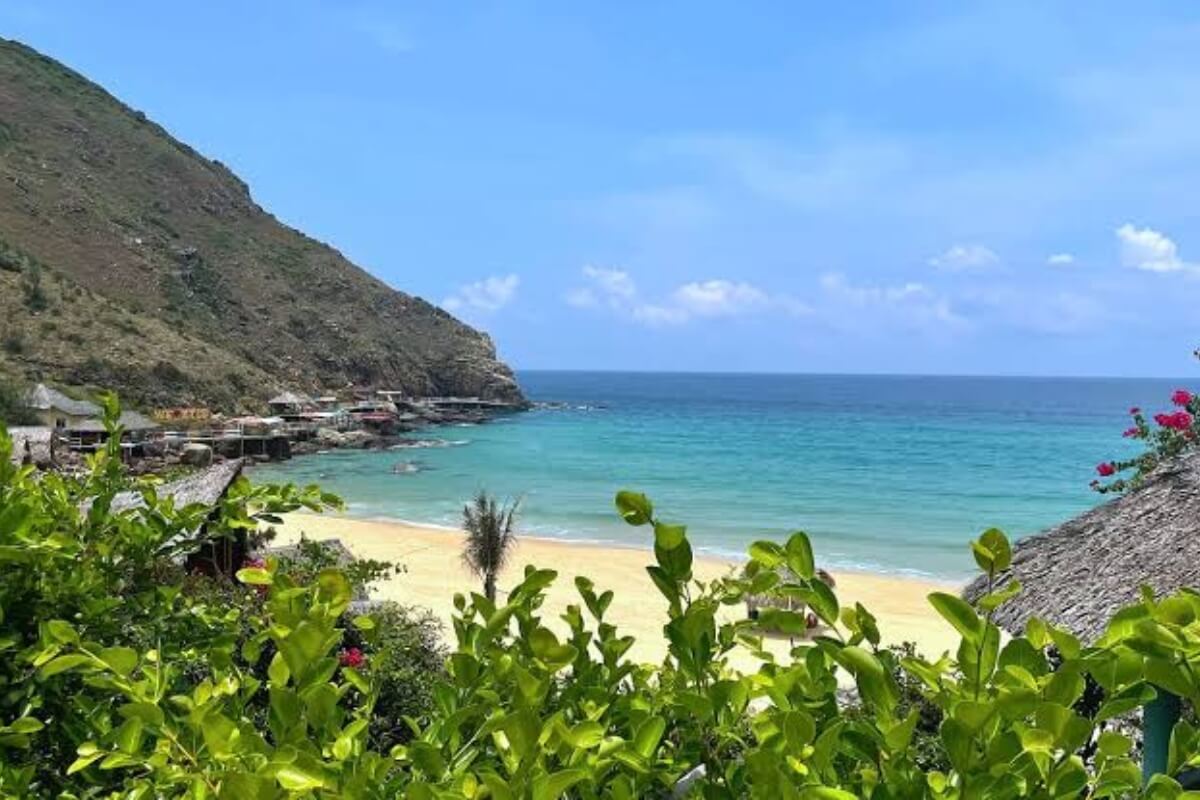
Quy Nhon Beach stretches along the city waterfront, making it convenient for travellers staying in the centre. For a more scenic escape, Ky Co Beach offers turquoise water and a dramatic setting between rocky hills, while Bai Xep provides a quieter coastal atmosphere outside the urban area.
These beaches make Quy Nhon suitable for couples, independent travellers and families who want time beside the sea without spending every day in a busy resort district.
Local Culture and Historic Cham Architecture
Quy Nhon is more than a beach destination. Its Cham towers provide a window into the history of the Champa civilisation, while nearby fishing villages reveal the continuing importance of the sea to local communities.
A guided cultural excursion can help connect these different experiences, particularly for travellers who want to understand the places they visit rather than simply photograph them.
Fresh Seafood and Regional Cuisine
The city's fishing heritage is reflected in its food. Fresh fish, squid, prawns and shellfish feature prominently in local restaurants, while regional dishes such as banh xeo tom nhay and bun cha ca offer a taste of Binh Dinh's culinary traditions.
Exploring local food is often one of the most memorable parts of visiting Quy Nhon, especially when you have time to try neighbourhood restaurants beyond the main hotel area.
Comfortable Travel With Room to Explore
Quy Nhon offers accommodation ranging from practical city hotels to beachfront resorts. Travellers can choose a central base for easy access to restaurants and attractions or stay outside the city for a more secluded beach holiday.
For visitors with limited time, a private transfer or organised day trip can make it easier to reach the coastal attractions without managing several transport arrangements independently.
Best Things to Do in Quy Nhon Vietnam

From relaxing on the city beach to exploring the coastline beyond the centre, Quy Nhon offers plenty of ways to shape your trip around your interests.
1. Relax on Quy Nhon Beach
Quy Nhon Beach is the natural starting point for exploring the city. Its long stretch of sand runs alongside the waterfront, with hotels, cafés and restaurants within easy reach.
Early morning is an excellent time to visit. Local residents come out for exercise, the light is softer and the beach provides a glimpse of everyday life before the city becomes busier.
In the late afternoon, the atmosphere changes as people gather along the promenade and the temperature becomes more comfortable. A leisurely walk followed by dinner at a nearby seafood restaurant is an easy way to spend an evening.
If you are staying for only two or three days, choosing accommodation close to the beach can save travel time and give you more flexibility between sightseeing activities.
2. Visit Ky Co Beach
Ky Co is one of the most recognisable coastal attractions near Quy Nhon. Located on the Phuong Mai Peninsula, it is known for its clear water, pale sand and rocky landscape.
The beach is a popular choice for swimming, photography and relaxing beside the sea. Depending on the season and local operating arrangements, visitors can reach the area by road or combine the excursion with a boat trip.
For international travellers, Ky Co is often best included in a planned coastal day trip. Combining the beach with nearby Eo Gio and Nhon Ly allows you to experience several highlights in one outing rather than arranging separate journeys.
When choosing a tour, check whether transportation, entrance fees, boat transfers and meals are included. Sea conditions can affect boat services, so a flexible itinerary is particularly valuable during unsettled weather.
3. Enjoy the Coastal Views at Eo Gio
Eo Gio, often translated as Wind Strait, is known for its rugged cliffs and sweeping views of the sea. The landscape offers a striking contrast to the sandy beaches around the city.
Visitors can follow designated paths and viewpoints to admire the coastline, take photographs and enjoy the fresh sea breeze. The surrounding Nhon Ly area also provides an opportunity to see a fishing community that remains closely connected to the water.
Eo Gio is particularly appealing to travellers who enjoy scenic walks and photography. Comfortable footwear, sun protection and sufficient drinking water are useful, especially during the hotter months.
Because Eo Gio and Ky Co are located in the same general coastal area, visiting both on one day is a practical choice. A private excursion can be especially convenient for couples, families or small groups who prefer to travel at their own pace.
4. Discover Nhon Ly Fishing Village
Nhon Ly adds a more personal dimension to a trip along the Quy Nhon coast. The village is known for its fishing traditions, local eateries and access to nearby coastal attractions.
Depending on when you visit, you may see fishing boats, seafood being prepared or residents going about their daily routines. These ordinary moments can provide a more meaningful impression of the destination than visiting viewpoints alone.
Travellers should approach village visits respectfully, particularly when photographing residents or their homes. Supporting local restaurants and following local guidance also helps make the experience more considerate.
For visitors interested in local culture, a coastal tour that includes time in Nhon Ly offers a useful balance between sightseeing and discovering the communities behind the scenery.
5. Explore the Cham Twin Towers
Known locally as Thap Doi, the Cham Twin Towers are among Quy Nhon's most accessible historical attractions.
The towers are associated with the Champa civilisation and feature distinctive brick architecture that differs from the imperial buildings and colonial structures found elsewhere in Vietnam.
A visit does not require an entire day, making the site easy to include in a city sightseeing itinerary. Travellers interested in history can combine the towers with other local attractions and a stop at a traditional restaurant.
If you prefer to understand the historical context behind the architecture, consider visiting with a knowledgeable local guide. The experience becomes more rewarding when you understand the role of Cham culture in shaping the wider region.
6. Visit Ghenh Rang and Bai Trung
Ghenh Rang is a scenic area south of central Quy Nhon, known for its rocky coastline and cultural associations with Vietnamese poet Han Mac Tu.
Nearby Bai Trung, also known as Queen's Beach, is recognised for the smooth stones shaped by the sea. The setting is different from a conventional sandy beach and provides an attractive stop for visitors interested in photography and coastal landscapes.
Ghenh Rang works well as part of a half-day city excursion. It can be combined with the Cham Twin Towers, the waterfront and a relaxed lunch before returning to your hotel.
7. Explore Bai Xep for a Quieter Coastal Escape
Bai Xep, south of the city, offers a more laid-back atmosphere than the central waterfront. The area appeals to travellers looking for smaller-scale accommodation, coastal scenery and a slower pace.
Rather than spending the entire day moving between attractions, you can use Bai Xep as a place to unwind, enjoy a meal and spend time beside the sea.
It is particularly suitable for couples or travellers planning a longer stay in Quy Nhon. If you want to combine beach relaxation with cultural sightseeing, consider spending several nights in the city and adding a day trip to Bai Xep.
8. Try a Local Food Experience
Food is an essential part of discovering Quy Nhon. Local specialities worth trying include banh xeo tom nhay, a crispy pancake with shrimp; bun cha ca, a noodle soup served with fish cakes; and banh hoi, delicate rice vermicelli traditionally served with savoury accompaniments.
Seafood is another highlight, with restaurants serving fish, squid, prawns and shellfish depending on the day's catch.
For travellers unfamiliar with Vietnamese menus, a local guide can help explain regional dishes, identify suitable restaurants and accommodate dietary preferences. This can be especially useful for visitors who want to explore local cuisine while maintaining a comfortable and well-organised itinerary.
Best Time to Visit Quy Nhon Vietnam
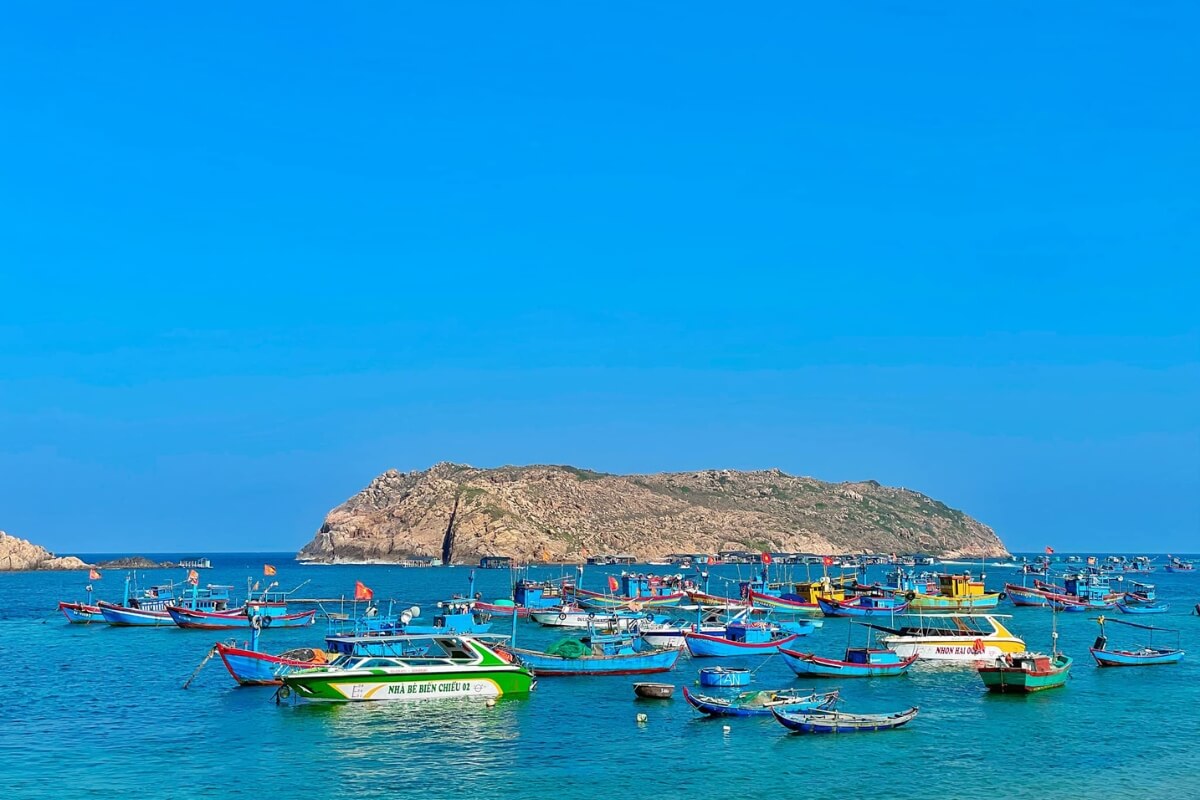
Weather plays an important role in planning a trip to Quy Nhon because many of its main attractions involve beaches, coastal viewpoints and boat excursions.
The period from approximately December to April is generally considered a favourable time for sightseeing and outdoor activities. March and April can be particularly appealing for travellers hoping to combine cultural visits with time at the beach.
From May to August, conditions are often hotter, and the sea may be attractive for beach activities. However, these months can also coincide with busy domestic travel periods, especially during weekends and public holidays.
September to November tends to be wetter, and tropical weather can affect coastal excursions. Travellers planning boat trips to Ky Co or other offshore areas should check local forecasts and confirm operating conditions before departure.
The best time for your visit ultimately depends on your priorities. If you want to spend most of your time swimming and exploring the coastline, favour a period with suitable sea conditions. If cultural sightseeing and food are equally important, you may have greater flexibility.
Regardless of the season, booking flexible transport and allowing some spare time in your itinerary can help reduce disruption when the weather changes.
How Many Days Should You Spend in Quy Nhon?
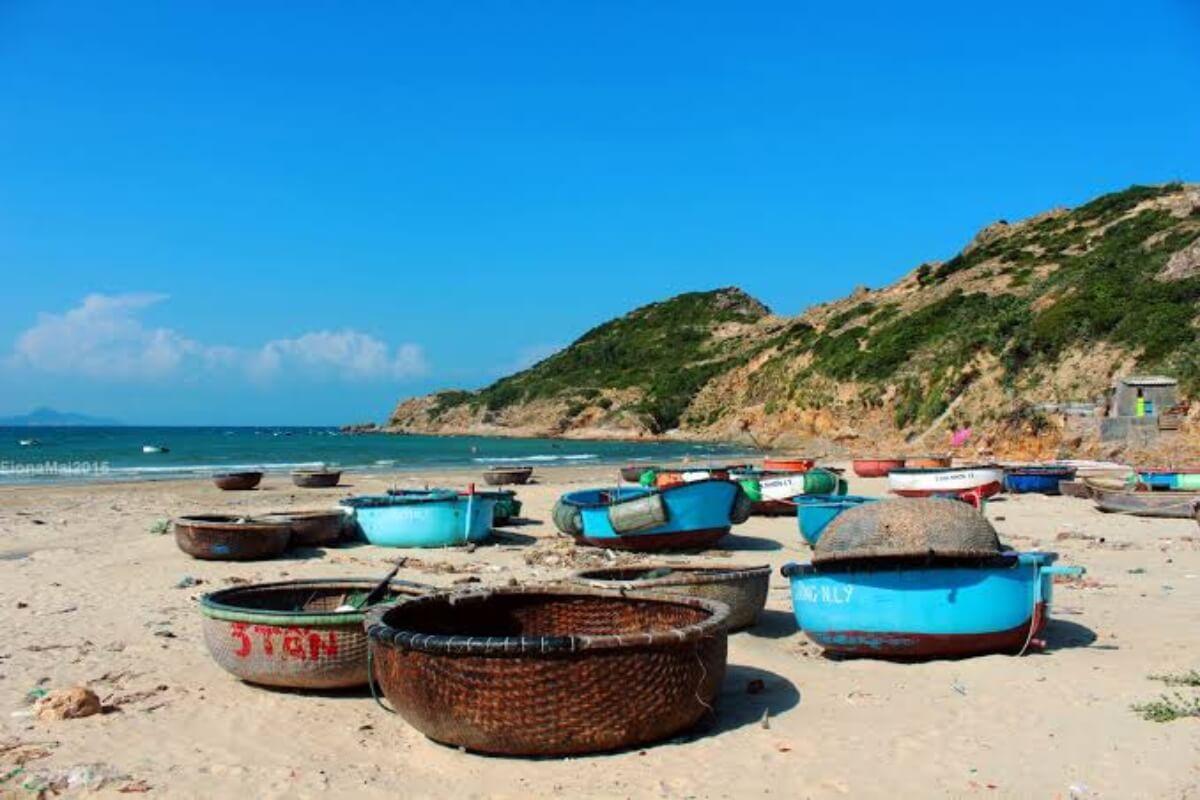
For a first visit, two to three nights is a practical starting point.
With two days, you can explore the city and its historical attractions on one day, then visit Ky Co, Eo Gio and Nhon Ly on the next. This works well for travellers who are combining Quy Nhon with several other destinations in Vietnam.
Three days allows a more relaxed experience. You can explore the city, spend a full day along the northern coast and reserve another day for Bai Xep, local food or simply enjoying the beach.
If you have four or five days, you can slow down further, choose a resort outside the city centre or add more time for cultural experiences.
The key is to avoid treating every attraction as a quick stop. Quy Nhon's appeal lies partly in the opportunity to enjoy the coastline without rushing from one place to another.
Quy Nhon Tours: How to Choose the Right Experience
Planning your activities in advance can make a noticeable difference to your experience, particularly if you have limited time or prefer not to arrange every transfer independently.
The best option depends on your travel style, group size, budget and interests.
Coastal Day Tours
A coastal day tour is ideal for first-time visitors who want to explore Ky Co, Eo Gio and Nhon Ly in one trip.
Look for an itinerary that allows enough time at each location instead of packing too many stops into the day. Confirm what is included, particularly transport, entrance fees, boat services and meals.
Travellers who enjoy photography or want time to relax by the water may prefer a smaller group or private arrangement.
Private Quy Nhon Tours
A private tour offers greater flexibility over departure times, stops and the overall pace of the day. This can be particularly useful for couples, families, mature travellers and small groups who value comfort and personal attention.
Private arrangements may also make it easier to combine cultural sites with coastal attractions or adjust the itinerary around weather conditions.
When comparing options, ask about the vehicle type, guide language, duration, included services and cancellation policy. These details are often more important to the quality of the experience than the number of attractions listed.
Cultural and City Sightseeing Tours
Travellers interested in history can focus on the Cham towers, Ghenh Rang and other local attractions.
A guided city tour is a convenient way to understand the area's cultural background without spending too much time researching transport between locations. It can also be combined with a food experience for a more varied day.
Independent Travel or an Organised Tour?
Independent travel works well if you have several days, enjoy exploring at your own pace and are comfortable arranging transportation.
An organised tour may be more suitable if you have only one full day, want an English-speaking guide or prefer a clear schedule with transport arranged in advance.
There is no need to organise every activity through a tour. Many travellers find that the best approach is to explore the city independently and book a guided excursion for locations that are harder to reach.
When planning a broader Vietnam holiday, you can also explore the wider range of travel experiences offered by Saigon Local Tour and select the services that fit your route and schedule.
How to Get to Quy Nhon Vietnam

Quy Nhon can be reached by air, rail and road. The most suitable option depends on your starting point, available time and preferred level of comfort.
By Air
Phu Cat Airport is the main airport serving Quy Nhon. Travellers arriving on domestic flights can continue to the city by taxi, private car or arranged transfer.
Flying is generally the most practical option for visitors travelling from Hanoi or Ho Chi Minh City who want to maximise their time at the destination.
If you arrive after a long flight or are travelling with family and luggage, arranging an airport transfer in advance can make the final part of the journey easier. Confirm the pickup location, vehicle capacity and estimated journey time before travelling.
By Train
Vietnam's railway network offers another way to reach the Quy Nhon area. Train travel is appealing to visitors who prefer a slower journey and want to see more of the countryside along the way.
Check the station serving your chosen route when booking, as the railway station used for Quy Nhon connections may be outside the city centre. You will need to arrange onward transportation to your hotel.
For travellers building a longer itinerary, rail travel can be an enjoyable alternative to flying, particularly when the journey itself is part of the experience.
By Road
Long-distance buses and private cars also connect Quy Nhon with other destinations in Vietnam.
A private car is often the more comfortable option for small groups or travellers who want to stop along the way. However, journey times can be substantial, so compare the total travel time before deciding between road, rail and air.
If you are visiting several destinations, it may be worth planning transportation as part of the complete itinerary rather than booking each leg separately.
Where to Stay in Quy Nhon
Choosing the right area can shape your experience of Quy Nhon as much as choosing the right activities.
Central Quy Nhon: Best for First-Time Visitors
The city centre is a practical base for travellers who want easy access to the main beach, restaurants, cafés and local attractions.
It is particularly suitable for shorter stays because you can explore much of the city without spending too much time travelling. Accommodation ranges from straightforward city hotels to comfortable beachfront properties.
For most first-time visitors, staying centrally and arranging day trips to the surrounding coastline offers a good balance between convenience and exploration.
Bai Xep: Best for a Relaxed Beach Stay
Bai Xep is worth considering if your priority is a quieter coastal atmosphere.
The area has a more laid-back character and can suit couples or travellers who want to spend more time relaxing than sightseeing. However, it may be less convenient if you plan to visit the city centre frequently.
Consider your transport arrangements before booking accommodation outside the city.
Beach Resorts: Best for Comfort and Privacy
Travellers seeking a resort-style holiday can look at properties outside the urban centre. Depending on the property, facilities may include swimming pools, beachfront access, restaurants and wellness services.
These options can work particularly well for longer stays, romantic holidays or trips where relaxation is a priority.
When comparing hotels, consider not only the room rate but also the location, dining options, transfer costs and access to the attractions you want to visit.
What to Eat in Quy Nhon
Quy Nhon's coastal location makes seafood a natural highlight, but the local food scene offers much more than fish and shellfish.
Banh xeo tom nhay is one of the regional dishes worth seeking out. The crispy pancake is typically served with shrimp, fresh herbs and dipping sauce, creating a combination of textures and flavours.
Bun cha ca is another popular choice. This noodle soup features fish cakes in a light broth and makes a satisfying breakfast or lunch.
Banh hoi, made from fine rice vermicelli, is commonly served with savoury accompaniments such as pork and fresh herbs. It is a good option for travellers who want to explore regional Vietnamese food beyond the better-known dishes.
Fresh seafood is available at a range of restaurants, from casual local establishments to more polished dining venues. Prices, preparation styles and menus vary, so ask about portion sizes and the day's available catch before ordering.
For international visitors, trying local dishes does not mean sacrificing comfort. You can combine casual food stops with restaurants that offer more familiar surroundings, depending on your preferences.
If you have food allergies or dietary restrictions, communicate these clearly before ordering. A local guide or hotel team can help explain your requirements in Vietnamese.
Suggested 3-Day Quy Nhon Itinerary
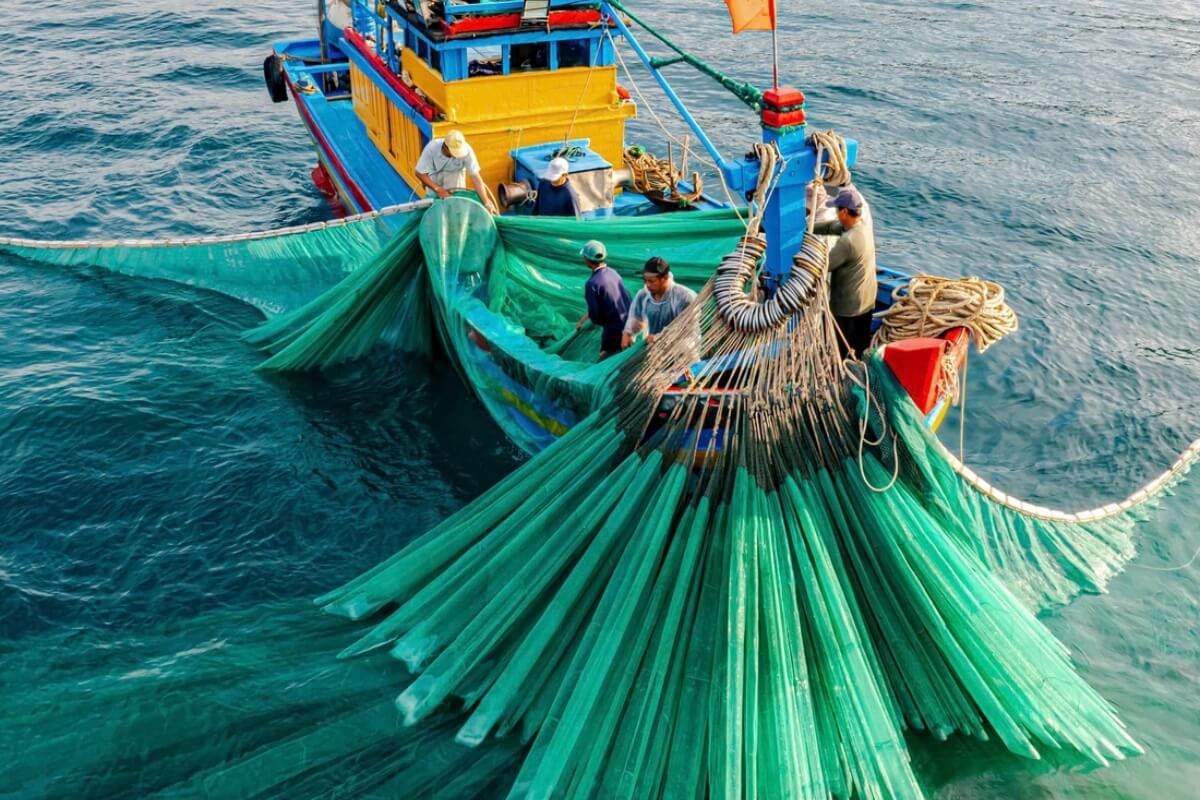
A three-day itinerary gives you enough time to experience Quy Nhon's main attractions without making every day feel like a checklist.
Day 1: City Highlights and Cham Heritage
Begin with a relaxed breakfast before exploring the Cham Twin Towers. Continue to Ghenh Rang and Bai Trung to enjoy the coastal scenery and learn about the area's cultural associations.
After lunch, spend time around the city waterfront or return to your hotel for a break. In the evening, enjoy a seafood dinner or try local specialities such as banh xeo tom nhay.
This first day provides an introduction to the city and its history without requiring a long journey.
Day 2: Ky Co, Eo Gio and Nhon Ly
Dedicate the second day to the northern coastline.
Start with Eo Gio for the cliff views, then continue to Ky Co for time beside the water. If conditions permit and the service is operating, you can include a boat excursion.
Allow time for lunch and a stop in Nhon Ly to experience the local fishing community. A guided or private day trip is a practical option if you want transport and the day's arrangements handled together.
Return to the city in the late afternoon, depending on the itinerary and sea conditions.
Day 3: Bai Xep and Local Experiences
Use the final day to slow down.
Visit Bai Xep, enjoy a long lunch, explore local cafés or spend additional time at the beach. If you prefer cultural experiences, you can arrange another city excursion or visit attractions you missed on the first day.
This flexible approach gives you room to enjoy the destination rather than rushing to complete a fixed list.
Is Quy Nhon Worth Visiting?
Quy Nhon is worth visiting if you want a coastal destination that combines attractive beaches with local culture and a more relaxed atmosphere.
It is not necessarily the best choice for travellers whose main priorities are nightlife, extensive shopping or a highly developed international resort scene. Da Nang and Nha Trang may be more suitable for those preferences.
However, Quy Nhon stands out for travellers who want to enjoy the sea, discover regional food, explore Cham heritage and experience a less hectic side of Vietnam.
It also works well for travellers who appreciate a balance between independent exploration and professionally arranged experiences. You can spend your mornings exploring local attractions, book a guided excursion for the coastline and return to comfortable accommodation in the evening.
For a wider Vietnam holiday, Quy Nhon can be a rewarding addition to an itinerary that already includes the country's major cities and cultural centres.
Frequently Asked Questions About Quy Nhon Vietnam
What is Quy Nhon Vietnam famous for?
Quy Nhon is known for its beaches, particularly Ky Co and the city beach, as well as Eo Gio, seafood, fishing villages and Cham heritage sites. Its relaxed atmosphere makes it appealing to travellers seeking a less crowded coastal destination.
How many days do you need in Quy Nhon?
Two to three nights is a good starting point. Two days cover the main city attractions and a coastal excursion, while three days allow more time for Bai Xep, local food and a relaxed beach experience.
What is the best time to visit Quy Nhon?
December to April is generally a favourable period for sightseeing and outdoor activities, although weather varies. March and April are particularly worth considering for a balanced itinerary. Always check the forecast before booking boat trips.
Can you visit Ky Co and Eo Gio in one day?
Yes. The two attractions are commonly combined into a single coastal excursion. A tour or private transfer can simplify transportation and help you make the most of the day.
Is Quy Nhon suitable for international travellers?
Yes. Quy Nhon has hotels, restaurants and tourism services suitable for international visitors. English may be less widely spoken than in Vietnam's main tourist hubs, so an English-speaking guide or pre-arranged transportation can be helpful.
Are private tours in Quy Nhon worth it?
Private tours can be worthwhile for couples, families and small groups who value flexibility, comfort and personalised schedules. They are particularly useful when combining several coastal attractions or travelling with limited time.
How do I get from Ho Chi Minh City to Quy Nhon?
Flying is generally the most time-efficient option. Train and long-distance road travel are alternatives for visitors who prefer a slower journey. Compare total travel time and onward transfers before choosing.
Where should I stay in Quy Nhon?
Central Quy Nhon is convenient for first-time visitors who want access to restaurants, the city beach and local attractions. Bai Xep is better suited to travellers seeking a quieter coastal stay, while beachfront resorts outside the centre can offer additional privacy and facilities.
Is Quy Nhon better than Da Nang?
The answer depends on your preferences. Da Nang offers more extensive tourism infrastructure, nightlife and easy access to major attractions. Quy Nhon is generally more relaxed and appeals to travellers prioritising coastal scenery, seafood and local culture.
Plan Your Quy Nhon Experience
Quy Nhon offers more than a beautiful stretch of coastline. It is a place where you can explore historic Cham architecture, discover regional food, visit fishing villages and spend time beside the sea without feeling that every moment needs to be scheduled.
For the best experience, decide whether you want a beach-focused holiday, a cultural itinerary or a combination of both. Choose accommodation that suits your preferred pace, allow enough time for coastal excursions and plan transportation carefully, particularly if you are visiting for only two or three days.
If you prefer a more convenient way to explore, consider arranging a guided excursion or private transportation for the attractions outside the city. This allows you to spend less time coordinating logistics and more time enjoying the destination.
For travellers planning a wider journey through Vietnam, Saigon Local Tour can be a starting point for exploring travel experiences and arranging suitable services for your itinerary. Match your activities to your available time, comfort preferences and travel style to create a trip that feels personal rather than rushed.
Discover Quy Nhon at your own pace, from its peaceful beaches and coastal villages to the flavours and history that make this part of Vietnam distinctive.
