
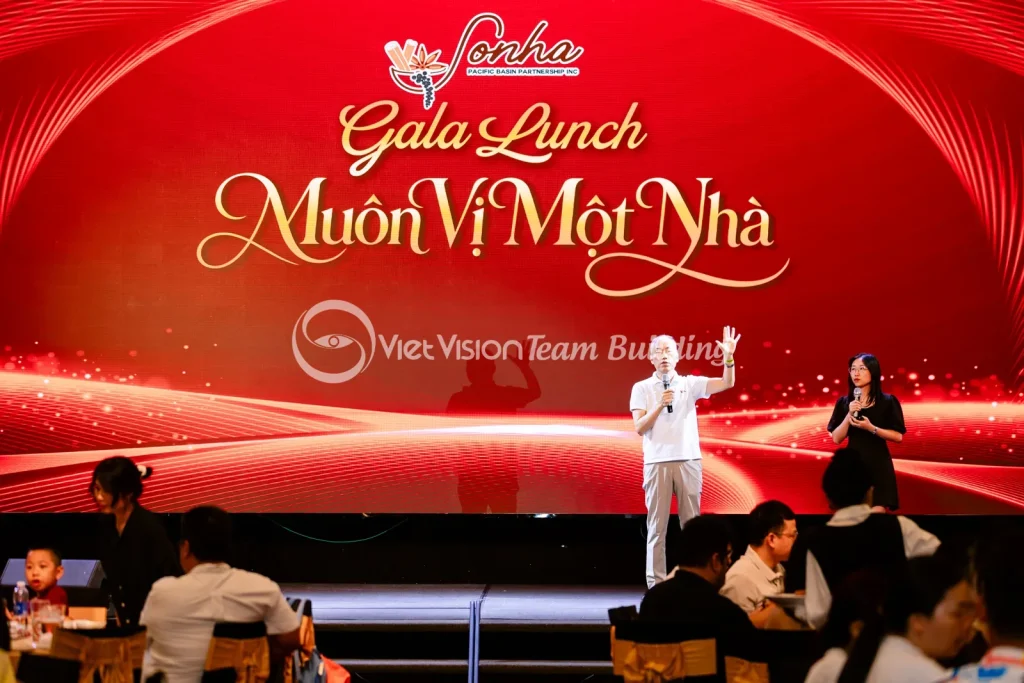
Plan the dinner around its main purpose: welcoming colleagues, recognizing a team or strengthening relationships across offices. Saigon Local Tour’s guide to evening activities for MICE groups introduces different experience options. This article focuses on the company programme within a dinner, rather than another list of venues. Examples of timings and activities are planning illustrations; the venue and suppliers need to confirm the arrangement for the actual event.
Choose One Main Purpose For The Evening
A welcome dinner, a recognition event and a networking evening can share a meal format, but they ask different things of the participants. A welcome needs introductions and an explanation of the visit. Recognition needs clear award criteria and a respectful moment for the recipients. Networking needs time and conditions in which people can hear one another.
Choose the main purpose before filling the programme with performances or games. If the company wants colleagues from different countries to make connections, a table plan and suitable conversation time deserve as much attention as the stage. If the priority is recognition, the recipients’ names, pronunciation and route to the stage need to be correct before decoration becomes the main discussion.
Several objectives can coexist, but give them an order. A dinner trying to deliver a keynote, awards, a team competition, entertainment and unrestricted networking may become a rushed event. Ask what participants should remember at the end, and use that answer to decide what can be shortened.
Plan The Meal And Programme Together
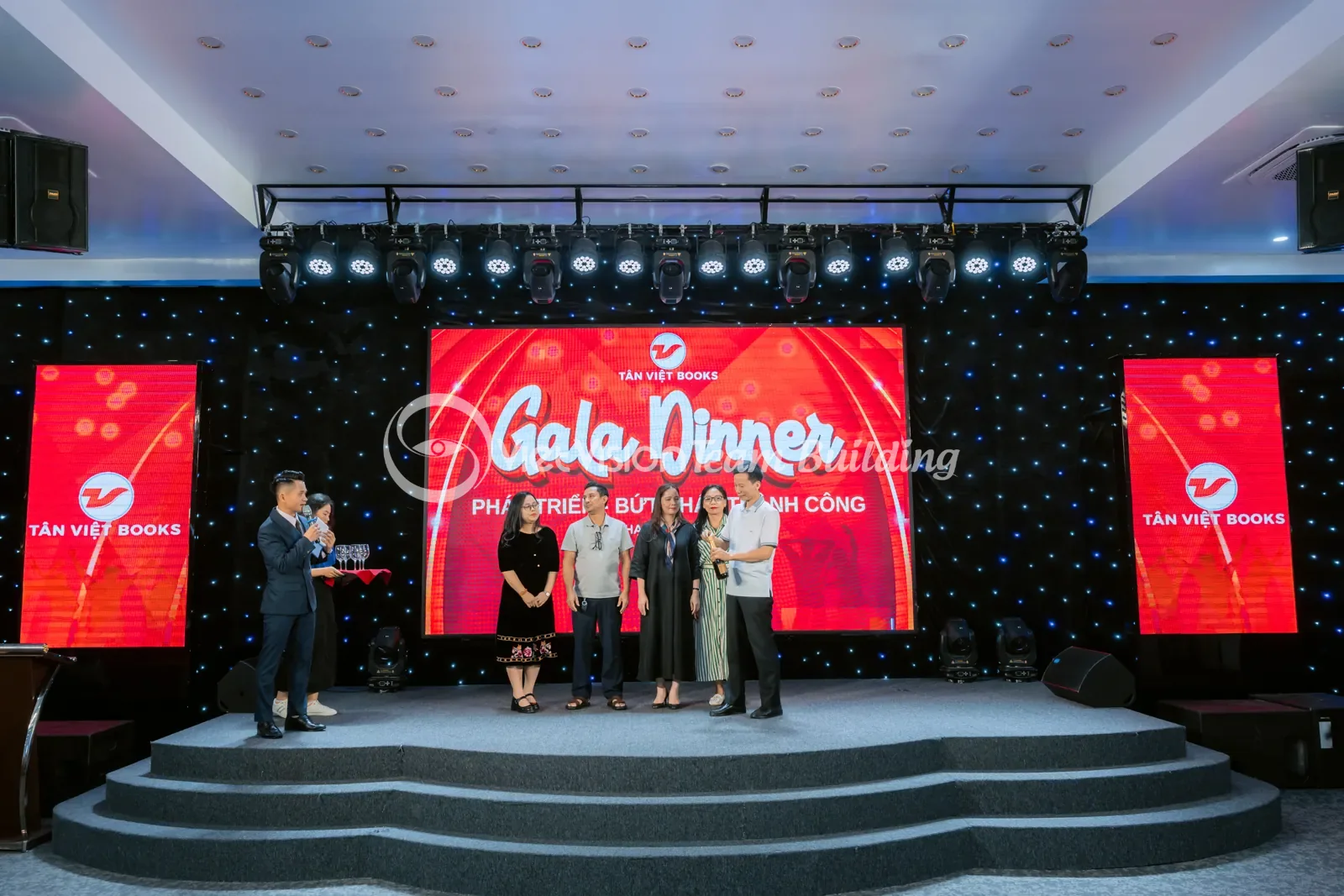
Talk to the catering team before choosing stage timings. Serving food, clearing tables and delivering speeches in the same moment creates competing priorities. The venue needs to know which programme blocks require quiet attention and which are suitable for ordinary meal service. Agree a cue with one person responsible for communicating any change.
A useful run sheet identifies the next action and who leads it. “Dinner starts” is too vague if the host expects a speech first and the catering team expects to serve immediately. Specify the welcome, opening cue and meal sequence. Confirm what happens if the company leader is late so the group does not wait without information.
The example below assumes a two-hour evening window. It is a discussion tool, not a standard package. Adapt the serving and recognition arrangements to the venue and the group; do not treat the table as a confirmed catering schedule.
| Illustrative block | Minutes | Primary purpose |
|---|---|---|
| Arrival and introductions | 20 | Help guests settle and find their tables |
| Welcome and company message | 10 | Explain the purpose of the evening |
| Meal and table conversation | 40 | Give guests time to eat and connect |
| Recognition | 15 | Acknowledge agreed recipients |
| Conversation or agreed entertainment | 25 | Keep the evening sociable |
| Closing and departure guidance | 10 | Finish clearly and support onward movement |
These blocks total 120 minutes. They do not include travel to the venue or any separate technical rehearsal. Keep those arrangements outside the participant programme so the company does not accidentally promise two hours of dinner inside a two-hour transfer-and-dinner window.
Use Seating To Support Real Introductions
Seat people according to the company objective, while respecting any requirements the organizer has collected. A group from several offices may benefit from a mix of colleagues at each table. A customer dinner may need hosts allocated to visiting guests. Explain the reasoning to the internal team so last-minute seating changes do not undo the plan.
Provide introductions that people can use naturally. The table host can ask each person to share their role and one thing they hope to learn during the visit. Avoid prompts requiring personal disclosure or public performance. Guests should have a comfortable way to participate at their own level.
For an illustrative group of 60 at six tables of ten, the organizer could allocate one company host to each table. That structure still depends on the venue layout and the group’s needs. A host is there to welcome and connect people, not to run a separate formal meeting during the meal.
Keep Recognition Clear And Considerate
Recognition works best when the company knows who is being acknowledged and why. Confirm names, pronunciation, titles, and the order of presentation. Give the host an approved script and identify who can authorize a correction. The audience should understand the reason for an award without needing a long introduction for every recipient.
Agree on how recipients reach the stage or presentation area. Ask the venue and event team to explain the route, waiting arrangements, and any required assistance. A recognition moment should not pressure someone into movement or a performance that has not been discussed with them.
If the company wants photographs, brief the photographer on the sequence and who needs to be included. Keep permission and company use requirements clear. Do not stretch the programme by inventing extra presentations on the night; additions should be approved by the person who controls the run sheet.
Decide Whether The Dinner Needs Event Production
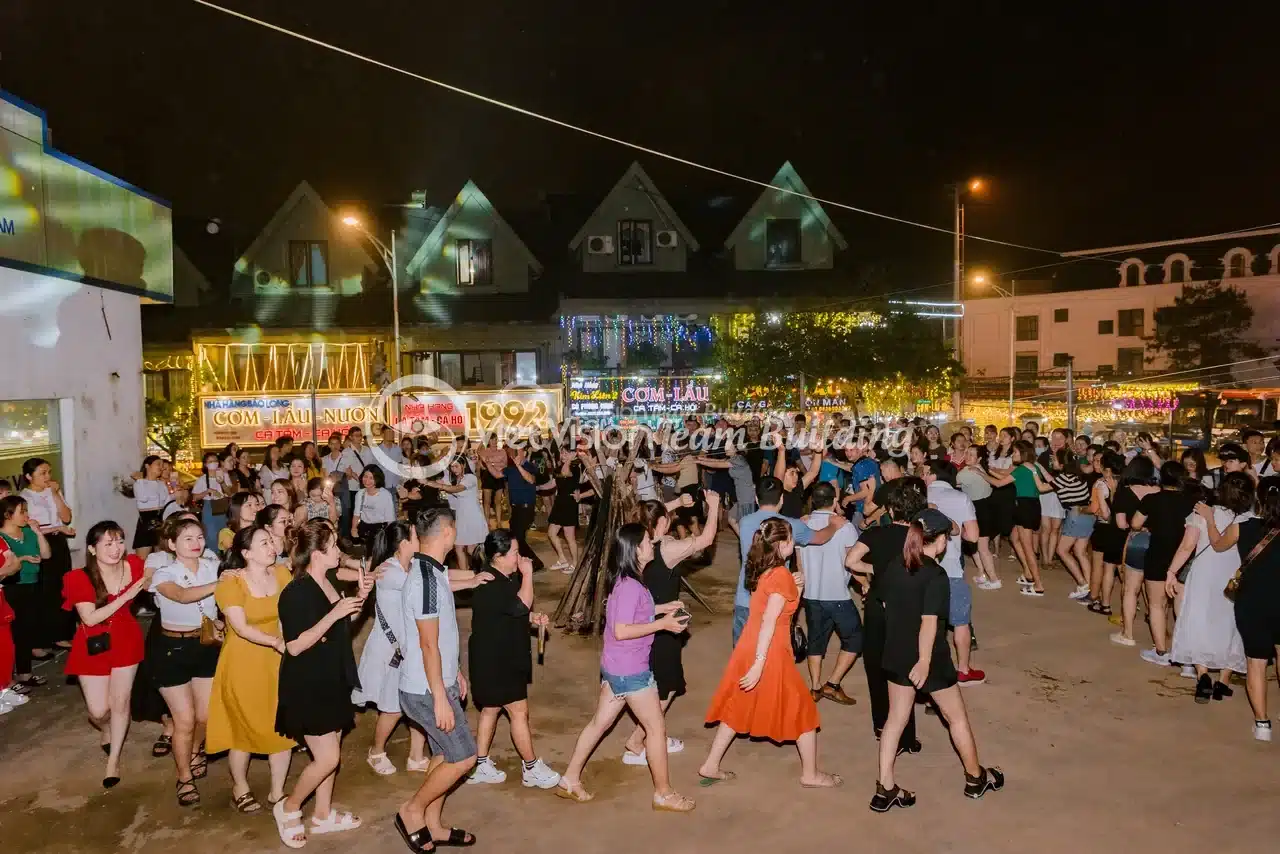
A shared restaurant meal may need a table host and a short welcome. A gala with several presentations, company visuals and entertainment requires more coordination. The organizer should decide which level fits the purpose before ordering equipment or booking a large stage.
For an overview of the format and its planning components, read Viet Vision Team Building’s gala dinner planning guide. The guide is in Vietnamese and explains the company-event format. It helps frame questions about the programme and supplier responsibilities; it does not confirm a Saigon venue or the production scope of a particular dinner. Discuss any proposed support from Viet Vision Team Building against the company’s approved brief and the venue’s conditions.
Ask who manages the host, presentations, sound cues, and catering handovers. Confirm which items the venue supplies and which come from another event team. The organizer should receive a clear responsibility list rather than several suppliers each assuming that someone else controls the evening.
Make Conversation Possible
Consider how the proposed layout and entertainment affect conversation. A dinner aimed at networking should include periods when participants can hear each other comfortably. Discuss the sound arrangement with the venue and production team. Avoid assuming that a lively programme automatically helps colleagues make connections.
Food and drink arrangements should support participation. Collect relevant menu requirements through the company’s agreed process, ask the venue what it can accommodate and confirm how guests identify the appropriate service. Participation in a toast or a game should be voluntary; do not make drinking part of a competition.
Guests may also need to leave at different times. Provide clear departure instructions and a contact for the agreed transport. The final announcement can thank participants and explain the next step without extending the event through another unexpected speech.
Brief The Evening As Part Of The Whole Visit
Tell the organizer what the group does immediately before dinner. Delegates arriving from a conference need different arrangements from colleagues returning after an excursion. Confirm whether there is time to change, where belongings are kept, and how arrivals are managed. A dinner programme should begin when the group is realistically ready to participate.
When you plan the company evening with Saigon Tours, share the purpose, headcount, language requirements and preferred experience. Where event production is proposed, connect the travel and event discussions through one approved run sheet. The result should give visiting colleagues a clear welcome, an enjoyable meal and enough time to make the connections the company values.
Frequently Asked Questions
Does Every Corporate Dinner Need A Gala Programme
No. A welcome, thoughtfully arranged seating and a meal may be enough. Add production when the company needs recognition, presentations or an event sequence that requires dedicated coordination.
How Long Should Speeches Take
Agree on a total speaking allocation around the dinner’s purpose and the catering plan. The example uses ten minutes for a welcome, but the real arrangement depends on the company and venue.
Who Should Control Changes During The Evening
Nominate an approved company decision-maker and an operational contact who communicates the revised run sheet to the host, catering team, and other suppliers.
