
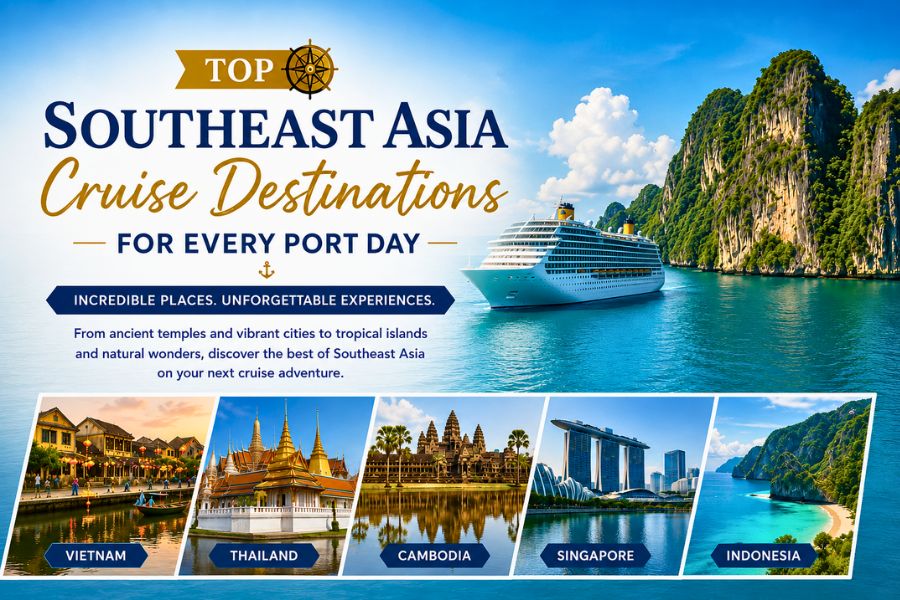
Southeast Asia has everything a cruise itinerary needs to be genuinely memorable: ancient temples, volcanic coastlines, street food that stops you in your tracks, and cities that feel unlike anywhere else on earth. The region packs more contrast into a single sailing than almost any other cruising destination in the world. A well-planned itinerary might take you from the colonial streets of Ho Chi Minh City to the rainforest interior of Borneo within the same week. The key to getting the most out of each stop is knowing what each destination offers and having the right arrangements in place before your ship arrives. For passengers planning their port days across the region, cruise ship tours Asia from a specialist with firsthand knowledge of every stop is the most efficient way to get organized well before you board.
Why Southeast Asia Is One of the World's Best Cruise Regions
Southeast Asia consistently draws repeat cruise passengers, and the reasons go beyond the obvious visual appeal. The region offers a combination of cultural depth, geographic variety and logistical accessibility that few other cruising destinations can match at the same price point.
Diversity of Cultures, Landscapes and Experiences in One Itinerary
A single Southeast Asia cruise can move through Vietnamese fishing villages, Thai Buddhist temples, Cambodian jungle ruins, Singaporean skyline and Indonesian volcanic islands within a two-week sailing. These are not variations on a theme. They are genuinely distinct cultures, cuisines, languages and histories compressed into an itinerary that a land-based trip would take months to cover. For first-time visitors to the region, a cruise is one of the most effective ways to get an honest introduction to what Southeast Asia actually contains.
How Cruise Itineraries in Southeast Asia Are Typically Structured
Most Southeast Asia cruise itineraries run between 10 and 21 days and are structured around a hub port, most commonly Singapore, Hong Kong or Bangkok (Laem Chabang). From there, itineraries branch north through Vietnam and China, south through Indonesia and Australia, or in a circular loop covering multiple countries. Some sailings are dedicated Southeast Asia circuits while others form one leg of a longer World Cruise. Port days typically alternate with sea days, and most itineraries include at least one overnight stay at a major destination such as Ho Chi Minh City or Bangkok.
Top Southeast Asia Cruise Destinations Worth a Shore Excursion Stop
The ports below represent the strongest shore excursion opportunities across the region. Each one offers something distinct, and each rewards a bit of advance planning.
Vietnam - History, Food and UNESCO Heritage in One Port
Vietnam is consistently rated among the top cruise destinations in Southeast Asia, and it earns that reputation at every port. Phu My gives access to Ho Chi Minh City and the Cu Chi Tunnels. Chan May opens up Hoi An, Da Nang and the Imperial City of Hue. Ha Long Bay is an experience entirely its own. The food culture across all three ports is extraordinary, and the country's layered history gives even a single port day genuine depth. Vietnam is one destination where having a knowledgeable local guide makes a substantial difference to what you take away from the day.
Thailand - Bangkok & Ko Samui from the Sea
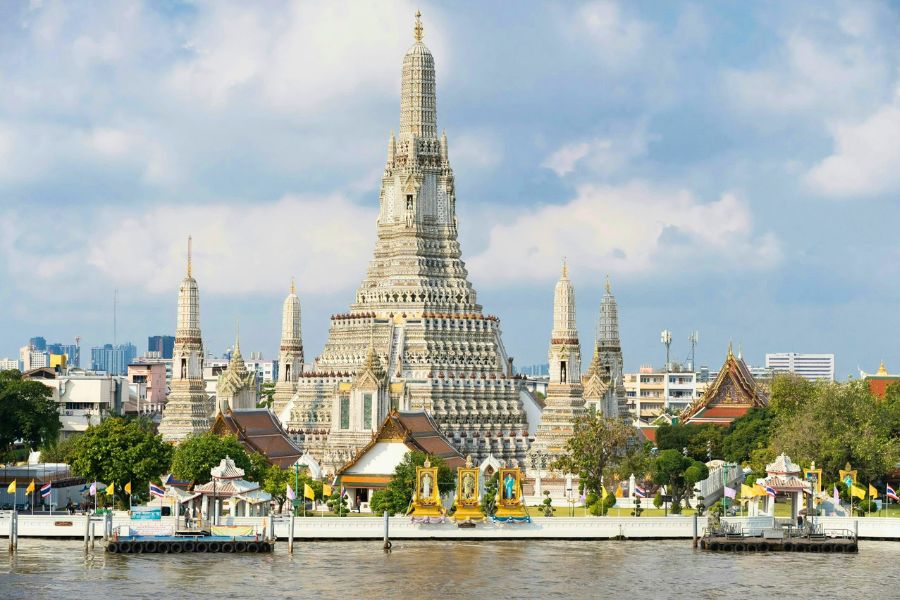
Thailand appears on Southeast Asia cruise itineraries in two distinct forms. Laem Chabang port serves Bangkok, one of Asia's most viscerally exciting cities, with the Grand Palace, Wat Pho and the Chao Phraya River all within reach on a well-organized shore excursion day. Ko Samui, when it appears as a port stop, offers a very different experience: beaches, tropical scenery and a more relaxed pace that suits passengers who want a day of natural beauty rather than urban intensity. Both are worth the time, and both reward advance planning.
Cambodia - Sihanoukville as Gateway to Angkor Wat
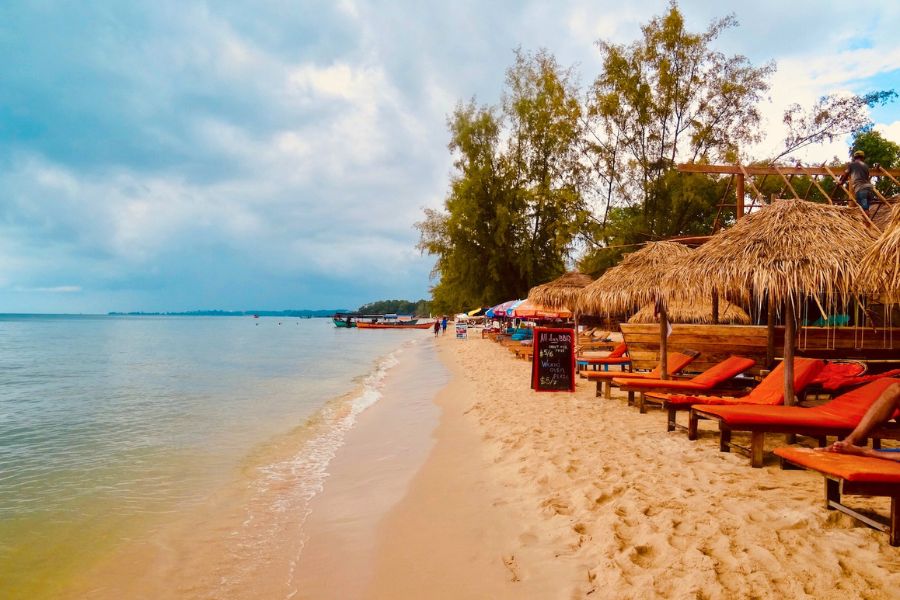
Sihanoukville is Cambodia's cruise port, and for most passengers it serves one primary purpose: as the starting point for the journey to Angkor Wat. The ancient temple complex near Siem Reap is one of the most significant archaeological sites in the world, but it is also approximately 400 kilometers from Sihanoukville, making it accessible only by flight. Shore excursions that include a short domestic flight to Siem Reap and a guided half-day at Angkor Wat are available and genuinely worth the investment for passengers who have not visited before. This is one of the few shore excursion days where the logistics require more planning than usual but the reward is proportionate.
Singapore - The Urban Cruise Stop That Surprises Everyone
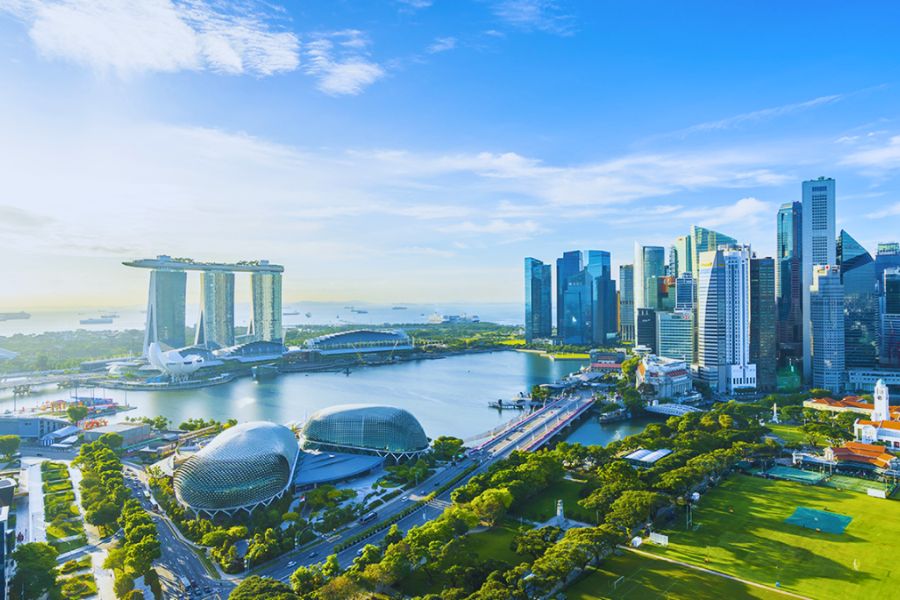
Singapore is a hub port for many Southeast Asia sailings, which means passengers often see it at the beginning or end of a cruise rather than as a port day stop. When it does appear as a port call, it is one of the most accessible and logistically straightforward stops in the region. English is an official language, public transport is world-class, and the city rewards both structured excursions and independent exploration equally well. Gardens by the Bay, the hawker center food culture and the colonial heritage district of Chinatown and Little India are all within easy reach of the cruise terminal.
Indonesia - Bali, Komodo and Beyond
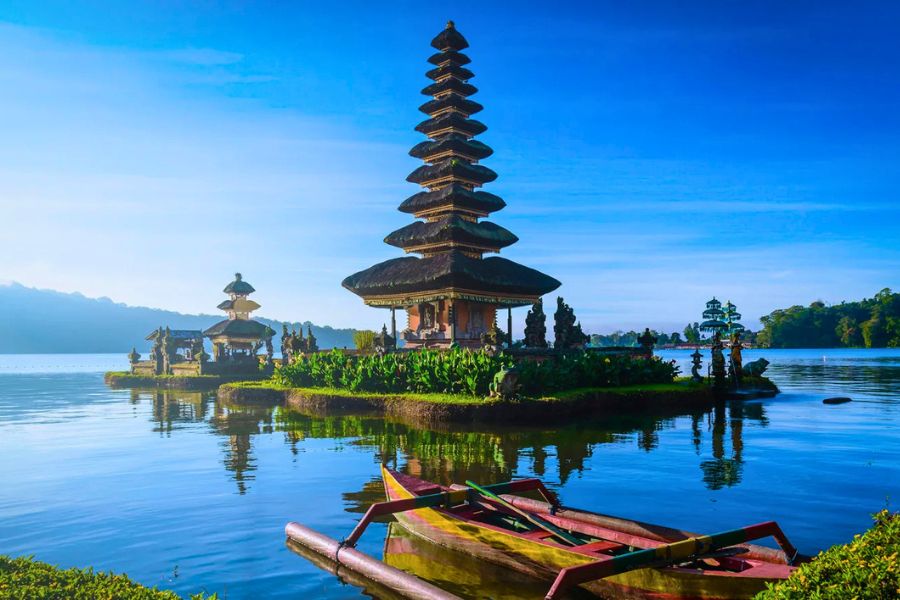
Indonesia adds genuine geographic drama to any Southeast Asia itinerary. Bali's combination of Hindu temple culture, terraced rice paddies and acclaimed food scene makes it one of the most consistently popular port days in the region. Komodo offers something found nowhere else on earth: Komodo dragons in their natural habitat, combined with some of the best diving and snorkeling waters in Asia. Other Indonesian stops, including Lombok, Surabaya (gateway to Bromo volcano) and Benoa, each bring their own distinct character. Indonesia is a destination where the quality of your excursion guide directly determines the quality of your day.
Myanmar - Off-the-Beaten-Path Ports for Adventurous Cruisers
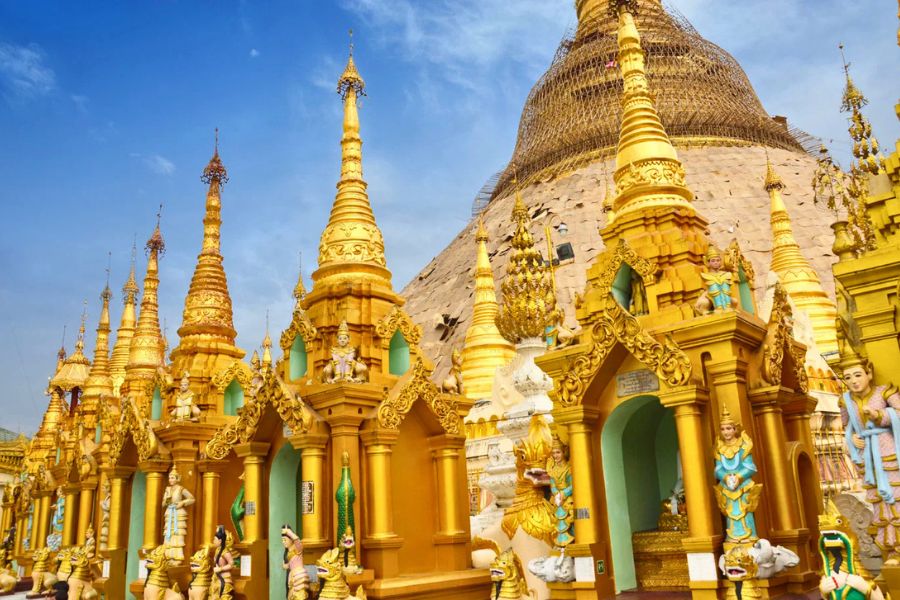
Myanmar appears less frequently on Southeast Asia itineraries than its neighbors, but the ports that do feature, primarily Yangon and the Irrawaddy Delta, offer some of the most culturally distinct experiences available anywhere in the region. Yangon's Shwedagon Pagoda is among the most visually striking religious sites in all of Asia. The country's relative isolation from mass tourism means that port days here feel genuinely different from the well-trodden circuit of Thailand, Vietnam and Singapore. Itinerary availability has varied in recent years, so check current sailings if Myanmar is a specific priority.
How to Prioritize Shore Excursion Stops When Time Is Limited
Not every port day deserves the same level of investment. Understanding which stops offer the most and which can be handled more lightly helps you allocate your energy and budget across a full itinerary.
Which Ports Are Worth a Full-Day Excursion vs. a Quick Explore?
Full-day excursions make the most sense at ports where the main destination is a significant distance from the dock, where the cultural or historical depth rewards extended time, or where a single unmissable experience (Angkor Wat, Cu Chi Tunnels, Kyoto's temple districts) anchors the day. Quick explores work well at walkable city ports like Singapore or Nha Trang, where the beach or the city center is close to the pier and independent movement is easy. The mistake most passengers make is applying the same approach to every port regardless of what that port actually offers.
Ports Where Independent Travel Works Fine vs. Where You Need a Guide
Independent travel is entirely reasonable at Singapore, Ko Samui and Nha Trang, where the geography is manageable, the infrastructure is clear and the distances are short. It becomes significantly riskier at ports like Phu My in Vietnam, Laem Chabang in Thailand or Sihanoukville in Cambodia, where the distance between port and destination is substantial, traffic is unpredictable and the consequences of a delayed return are serious. At heritage-heavy stops like Hoi An, Hue and Bagan, a good guide does not just reduce logistical risk. It transforms the quality of what you actually understand and experience at the destination.
Practical Tips for Cruising Southeast Asia
A few region-wide considerations are worth knowing before you sail, regardless of which specific ports are on your itinerary.
Best Time of Year for a Southeast Asia Cruise
The most favorable window for a Southeast Asia cruise is October through April, when the region's weather patterns are generally drier and more predictable. The South China Sea and Gulf of Thailand are calmer during this period, and the risk of disruption from tropical weather systems is lower. May through September brings higher humidity and more rainfall across much of the region, and the South China Sea typhoon season peaks between July and October. Some itineraries during the wet season remain perfectly enjoyable, but weather-sensitive port days, particularly Ha Long Bay and island stops in Indonesia, are more variable.
Visa Requirements by Port Country
Visa requirements in Southeast Asia vary by nationality and change periodically, so always verify the current position for your passport before sailing. As a general guide, Singapore requires no visa for most Western passport holders. Thailand offers a visa exemption for short stays. Vietnam, Cambodia and Indonesia have specific entry requirements that may involve e-visas or visa-on-arrival arrangements. For cruise passengers on shore excursions, port exemptions often apply, meaning a visa is not required for a day visit provided you return to the ship. Your cruise line will provide specific guidance before each port call, but personal verification in advance is always worthwhile.
Health, Safety and Travel Insurance Considerations
Southeast Asia is a safe region for cruise passengers by any reasonable measure. Standard precautions apply: stay hydrated in the heat, use sun protection, be cautious with street food if you have a sensitive stomach, and keep valuables out of sight in busy market areas. Travel insurance that covers missed ship departures is strongly recommended for any cruise itinerary, but particularly for Southeast Asia where port-to-destination distances mean that external delays can have real consequences. Check that your policy covers the cost of traveling to the next port independently in the event of a missed sailing.
Making the Most of Every Port Day
The difference between a good port day and a great one usually comes down to the decisions made before the ship arrives.
Planning Ahead vs. Spontaneous Exploring
Spontaneous exploring works in Southeast Asia at the right ports. Singapore, Nha Trang and parts of Bangkok reward passengers who simply walk and follow their instincts. At most other stops in the region, particularly those involving significant transfers or heritage sites with limited signage in English, a plan in place before you disembark produces a consistently better outcome than figuring it out at the dock. Planning ahead does not mean scheduling every hour rigidly. It means knowing how you are getting to your destination, roughly what you want to see, and what time you need to be heading back to the ship.
How to Combine Multiple Interests in One Shore Day
The best shore excursion days in Southeast Asia tend to combine two or three distinct experiences rather than focusing exclusively on one category. A morning at a heritage site followed by a local lunch and an afternoon at a market covers culture, food and local life without any single element feeling rushed. A boat excursion in Ha Long Bay can incorporate kayaking, a floating village visit and a seafood lunch on the water. Operators who understand the region well tend to build this kind of layered experience into their itineraries naturally. When assessing options before booking, look for itineraries that reflect an understanding of what makes each destination genuinely interesting rather than a checklist of obvious stops.
Getting the Most from Every Port
Southeast Asia rewards passengers who treat each port as its own distinct destination rather than a point on a map to be ticked off. The region's variety is its defining quality, and the stops that surprise passengers most are often the ones they had not prioritized. A well-organized shore excursion with a local specialist who knows the destination properly is consistently the most effective way to make that happen. For passengers planning port days across multiple countries, working with a single regional operator who covers the whole circuit simplifies the logistics considerably and ensures the same standard of experience from the first port to the last. Explore the full range of options for your itinerary at cruise ship tours Asia and get your planning done before you board.
Frequently Asked Questions About Southeast Asia Cruises
A few questions come up regularly among passengers planning their first Southeast Asia sailing.
How Many Countries Can a Southeast Asia Cruise Cover?
A standard 14-day Southeast Asia cruise typically covers between 4 and 7 countries depending on the itinerary. Longer sailings of 21 days or more can extend into East Asia, adding Japan, South Korea or China to a Southeast Asia base. The variety of countries within a relatively compact geographic area is one of the region's core appeals as a cruising destination.
Is Southeast Asia Suitable for First-Time Cruise Passengers?
Yes. Southeast Asia is one of the most rewarding regions for first-time cruisers precisely because the variety between ports keeps the experience consistently engaging. The region does require more advance planning than, say, a Mediterranean cruise, particularly around shore excursion logistics and port distances, but that planning pays off with port days that are among the most memorable available anywhere in the world.
Which Southeast Asia Cruise Port Is Worth the Most Time Ashore?
This depends on your interests, but Vietnam's Chan May port (for Hoi An and Hue) and Thailand's Laem Chabang (for Bangkok) consistently rank among the most rewarding full-day shore excursion stops in the region. Ha Long Bay, when it appears as an overnight anchorage, is in a category of its own. Singapore, while technically a hub rather than a port day stop, is worth extending your trip around if your itinerary allows for it.
