
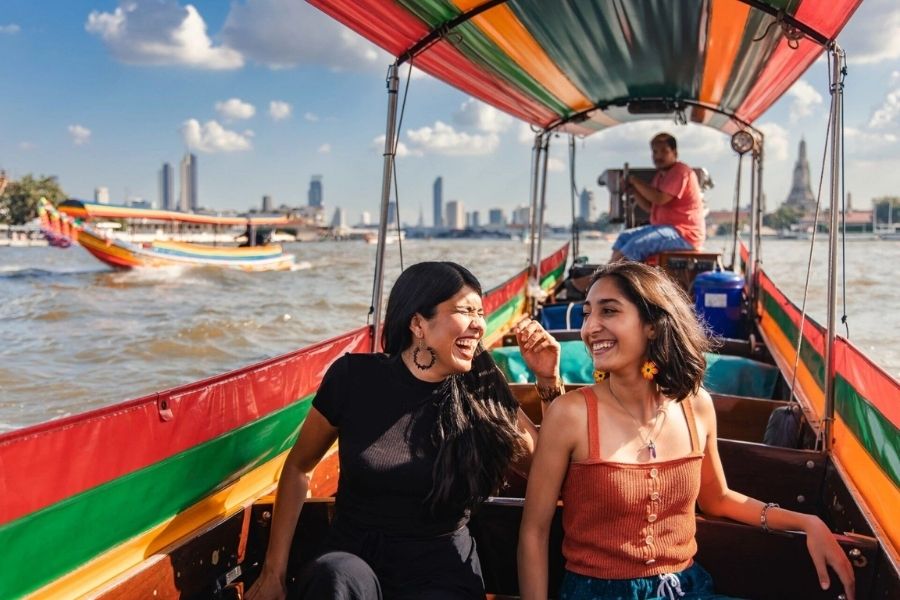
When planning your Asian cruise adventure, timing can make the difference between a magical experience and a challenging one. Whether you're dreaming of exploring ancient temples in Southeast Asia, witnessing cherry blossoms in Japan, or discovering the vibrant markets of South Asia, each destination has its optimal visiting season. For those specifically interested in Japanese destinations, expert providers like JapanShoreExcursions offer specialized knowledge and carefully curated experiences that maximize your time in port.
This comprehensive guide will help you navigate the complexities of Asian seasonal travel, ensuring you make informed decisions for your cruise planning.
Understanding Asia's Diverse Climate Zones
Asia encompasses multiple climate zones, each with distinct seasonal patterns that significantly impact travel experiences. Understanding these variations is crucial for cruise travelers planning shore excursions across different regions.
Tropical Climate (Southeast Asia)

Southeast Asia is dominated by a tropical climate, making it a year-round cruise destination. Countries such as Thailand, Vietnam, Singapore, Malaysia, and the Philippines share similar weather characteristics, though local variations can affect travel experiences. Understanding this climate helps travelers choose the most comfortable time for shore excursions, especially outdoor sightseeing and cultural tours.
- Consistently hot and humid weather year-round, with average temperatures ranging from 24°C to 35°C (75°F to 95°F), making lightweight clothing essential.
- No traditional four seasons; instead, the year is divided into wet and dry seasons, which influence travel comfort and excursion planning.
- Monsoon systems vary by country and region, meaning some destinations may experience heavy rain while others remain relatively dry.
- High humidity levels, especially during the rainy season, can make temperatures feel significantly hotter, affecting walking tours and extended outdoor activities.
- Short but intense rain showers are common during the wet season, which may temporarily disrupt shore excursions but rarely last all day.
Temperate Climate (East Asia)
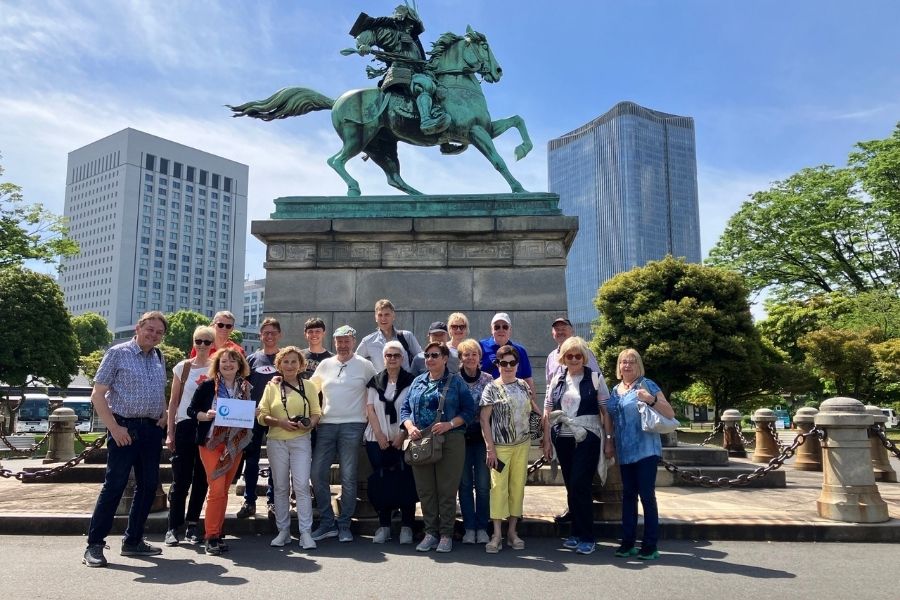
East Asia offers a more seasonal travel experience, with clearly defined weather changes throughout the year. Countries such as Japan, South Korea, and parts of China experience four distinct seasons, each bringing unique scenery and shore excursion opportunities.
- Spring (March - May): Mild temperatures, blooming flowers, and world-famous cherry blossoms, making it one of the most popular seasons for cultural and scenic tours.
- Summer (June - August): Hot and humid conditions, particularly in urban areas, with occasional typhoons that may impact cruise itineraries and outdoor excursions.
- Autumn (September - November): Comfortable temperatures, low humidity, and vibrant autumn foliage, ideal for walking tours, historical sites, and photography.
- Winter (December - February): Cold weather, especially in northern regions, with snowfall in some areas; fewer crowds and unique winter landscapes appeal to certain travelers.
- Seasonal festivals and events closely tied to weather changes, enhancing shore excursion experiences during peak seasons.
Monsoon Climate (South Asia)

South Asia’s climate is heavily influenced by monsoon patterns, which play a crucial role in determining the best times for shore excursions. Countries such as India and Sri Lanka experience dramatic seasonal shifts that affect rainfall, temperature, and overall travel comfort.
- Southwest Monsoon (June - September): Brings heavy rainfall and high humidity, especially along western coasts, which can limit outdoor sightseeing and road travel.
- Northeast Monsoon (October - December): Primarily affects eastern coastal regions, with varying rainfall depending on location.
- Dry Season (October - March): The most favorable period for tourism, offering pleasant temperatures and minimal rainfall—ideal for cultural excursions and city tours.
- Hot Season (April - June): Marked by extremely high temperatures before the monsoon arrives, requiring careful planning, hydration, and shorter outdoor activities.
- Regional climate differences mean weather conditions can vary significantly within the same country, making local knowledge important for shore excursion planning.
Best Seasons for Popular Asian Cruise Destinations
Asia offers an extraordinary range of cruise destinations. The best time to visit each destination can vary greatly depending on regional climates, seasonal weather patterns, and local events. Choosing the right season not only enhances comfort during shore excursions but also determines what experiences are available at each port of call.
Southeast Asia: November to March
From November to March, Southeast Asia enters its most favorable travel season. Influenced by the northeast monsoon, this period brings cooler temperatures, lower humidity, and minimal rainfall. Cruise travelers visiting ports across Vietnam, Thailand, Singapore, and neighboring countries will enjoy smoother itineraries and more comfortable sightseeing experiences.
This is widely considered the peak season for shore excursions throughout Southeast Asia. The pleasant climate allows travelers to explore temples, historic districts, local markets, and waterfront attractions without the discomfort of intense heat or heavy rain.
Weather Highlights:
- Comfortable temperatures ranging from 22°C to 30°C (72°F to 86°F)
- Lower humidity levels, making walking tours more enjoyable
- Minimal rainfall, reducing the risk of itinerary disruptions
- Clear skies and excellent visibility, perfect for photography and scenic viewpoints
Popular Shore Excursion Destinations:
- Vietnam: Ho Chi Minh City, Da Nang, and Hanoi with excellent conditions for cultural and historical tours
- Thailand: Bangkok and coastal ports ideal for temple visits, markets, and culinary experiences
- Singapore: Outdoor attractions and modern city highlights enjoyed in drier weather
- Malaysia & Indonesia: City sightseeing and nature-based excursions with improved travel comfort
East Asia: April to May & September to November

East Asia is best experienced during spring and autumn, when temperatures are mild, humidity is low, and natural scenery is at its most beautiful. These seasons offer ideal conditions for shore excursions in destinations such as Japan, South Korea, Taiwan, and parts of China, allowing travelers to explore cities and cultural landmarks comfortably.
Spring is famous for cherry blossoms and vibrant festivals, while autumn brings crisp air and stunning fall foliage. Both periods are highly favored by cruise travelers seeking scenic beauty, outdoor exploration, and cultural immersion.
Weather Highlights:
- Pleasant temperatures suitable for walking tours and outdoor sightseeing
- Lower humidity compared to summer months
- Seasonal highlights such as cherry blossoms in spring and autumn foliage in fall
- Excellent conditions for photography and scenic viewpoints
Popular Shore Excursion Destinations:
- Japan: Cherry blossom viewing, historic temples, and traditional gardens
- South Korea: Palaces, old towns, and seasonal festivals
- China & Taiwan: Cultural landmarks, city highlights, and nature excursions
South Asia: October to March
South Asia offers its most favorable travel conditions from October to March, following the end of the monsoon season. During this period, destinations such as India and Sri Lanka experience cooler temperatures, lower humidity, and minimal rainfall that is ideal for shore excursions focused on history, culture, and local life.
This season allows cruise travelers to explore iconic landmarks, bustling cities, and UNESCO World Heritage sites without the challenges of extreme heat or heavy rain.
Seasonal Highlights:
- Mild and comfortable temperatures for extended outdoor activities
- Reduced rainfall after the monsoon season
- Better road and travel conditions for inland excursions
- Peak season for cultural tours and sightseeing
Popular Shore Excursion Destinations:
- India: Historic temples, colonial cities, and cultural heritage sites
- Sri Lanka: Coastal cities, ancient ruins, and scenic countryside tours
Best Time for Festivals and Cultural Shore Excursions in Asia
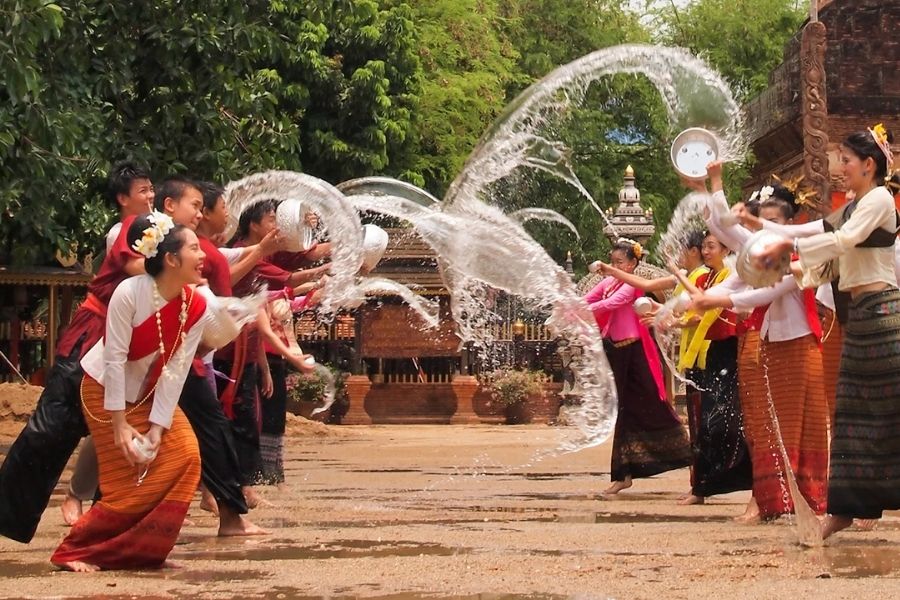
One of the greatest advantages of cruising in Asia is the opportunity to experience the region’s rich cultural traditions through festivals and seasonal events. Timing your cruise to coincide with these celebrations can transform a standard shore excursion into a truly immersive cultural experience.
Understanding when and where major cultural events take place helps travelers choose the best balance between cultural enrichment and travel comfort.
Key Festival Seasons to Consider
- Spring (March - May): A peak cultural season in East Asia, known for cherry blossom festivals, traditional ceremonies, and seasonal celebrations in countries such as Japan and South Korea. Ideal for cultural walking tours, gardens, and historic districts.
- Summer (June - August): Home to lively local festivals across Asia, particularly in Japan and parts of Southeast Asia. While culturally rich, travelers should be prepared for warmer temperatures and higher humidity.
- Autumn (September - November): A popular season for harvest festivals and cultural events, offering pleasant weather and stunning natural scenery. Excellent for heritage-focused shore excursions and scenic city tours.
- Winter (December - February): Marked by major celebrations such as Lunar New Year across East and Southeast Asia. This period offers unforgettable cultural experiences but often comes with high visitor numbers.
Popular Cultural Festivals by Region
- East Asia: Cherry blossom festivals, autumn foliage celebrations, and traditional temple events
- Southeast Asia: Lunar New Year, lantern festivals, and local cultural celebrations
- South Asia: Religious festivals, cultural fairs, and historical commemorations
Weather Challenges and What to Avoid

While Asia offers incredible shore excursion opportunities year-round, certain weather conditions can significantly impact travel comfort, safety, and itinerary reliability. Understanding potential weather challenges allows cruise travelers to avoid unfavorable seasons and plan excursions that align with comfortable and enjoyable conditions.
Below are the key weather-related periods travelers should be cautious about when planning Asian shore excursions.
Monsoon Season (June - September)
The monsoon season affects many parts of South Asia and Southeast Asia, bringing heavy rainfall, high humidity, and occasional flooding. While rain often comes in short bursts, prolonged downpours can disrupt transportation, reduce visibility, and limit access to outdoor attractions.
During this period, shore excursions may be shortened or adjusted due to road conditions and safety concerns, particularly for countryside tours or activities that involve extensive walking.
What to Expect:
- Frequent heavy rain showers and overcast skies
- High humidity levels that increase physical discomfort
- Possible delays or changes to excursion itineraries
- Limited suitability for outdoor and scenic tours
What to Avoid:
- Full-day outdoor excursions with long walking distances
- Remote countryside or mountainous tours
- Tight schedules with little flexibility
Extreme Heat Periods
Extreme heat typically occurs just before the monsoon season, especially in South Asia and parts of Southeast Asia. Temperatures during these months can reach uncomfortable levels, making prolonged outdoor activities challenging for many travelers.
High heat can increase the risk of dehydration and fatigue, particularly during city tours, temple visits, or market walks that involve limited shade.
What to Expect:
- Very high daytime temperatures
- Strong sun exposure and heat exhaustion risks
- Reduced comfort during walking and sightseeing tours
What to Avoid:
- Midday outdoor excursions
- Tours with extensive walking or limited air-conditioned transport
- Overly packed itineraries without rest breaks
Typhoon Season
Typhoon season mainly affects East Asia, including Japan, South Korea, Taiwan, and parts of China, typically between late summer and early autumn. While not constant, typhoons can bring strong winds, heavy rain, and rough sea conditions that may impact cruise schedules and port operations.
Ports may close temporarily during severe weather, leading to canceled or rescheduled shore excursions.
What to Expect:
- Sudden weather changes and heavy rainfall
- Strong winds affecting coastal activities
- Potential delays or port cancellations
What to Avoid:
- Water-based or coastal excursions during peak typhoon months
- Rigid schedules without contingency plans
- Booking last-minute excursions without weather flexibility
Timing is everything when it comes to creating unforgettable memories during your Asian cruise. By choosing the right season for your shore excursions, you'll enjoy comfortable weather, vibrant cultural experiences, and the best that each destination has to offer. Remember that working with experienced, local tour providers can make all the difference in your shore excursion experience.
