Nestled peacefully in the middle of the Hau River, Con Son Islet is one of the Mekong Delta's best-kept secrets. Unlike many commercial tourist destinations, this charming river island offers visitors an authentic glimpse into local life through sustainable community-based tourism. Here, tourism is not built around luxury resorts or theme parks but around genuine hospitality, traditional farming, floating fish houses, lush fruit orchards, and generations of cultural heritage preserved by local families.
Whether you're looking to taste tropical fruits picked fresh from the garden, witness the fascinating "flying fish" feeding performance, cycle along peaceful village paths, or simply enjoy meaningful conversations with local hosts, Con Son Islet Can Tho offers experiences that are impossible to replicate elsewhere.
In this comprehensive guide , you'll discover everything you need to know about visiting Con Son Islet, including the best attractions, how community-based tourism works, travel tips, the ideal time to visit, local food, and why this peaceful island deserves a place on every Mekong Delta itinerary. If you're planning to explore more of southern Vietnam, consider joining one of our Saigon tours to discover the region's diverse landscapes, vibrant culture, and authentic local experiences.
What Is Con Son Islet?
Hidden on the tranquil Hau River, Con Son Islet (Cồn Sơn) is a small alluvial island covering approximately 70 hectares in Bui Huu Nghia Ward, Binh Thuy District, Can Tho City. Home to fewer than 100 households, the island has become a model destination for community-based tourism in Vietnam, where local residents work together to create authentic travel experiences while preserving their traditions and natural environment.
Where Is Con Son Islet?
Con Son Islet is situated on the Hau River, one of the two major branches of the Mekong River in Vietnam. The island belongs to Can Tho City, the largest urban center in the Mekong Delta, making it an easily accessible destination for both domestic and international travelers.
From central Can Tho, visitors can reach the departure pier in around 15 to 20 minutes by car. A short ferry ride of only five to ten minutes brings guests across the river to the island, where motor vehicles are limited and peaceful walking or cycling paths replace busy city streets.
Its convenient location makes Con Son Islet an excellent addition to a one-day or half-day itinerary. Many travelers combine a visit with other famous attractions in Can Tho, including the Cai Rang Floating Market, Binh Thuy Ancient House, or nearby fruit gardens, creating a well-rounded Mekong Delta experience.
Best Time to Visit Con Son Islet
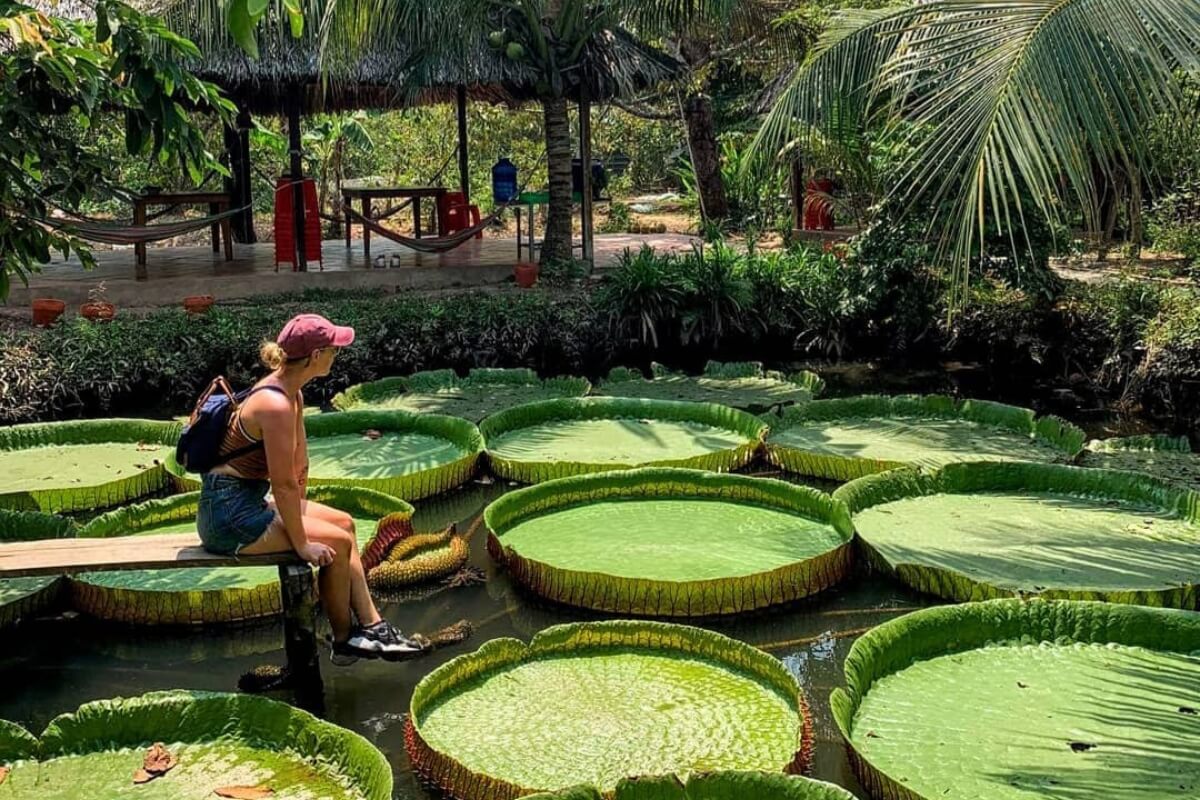
The dry season, from December to April, is generally considered the best time to explore the island. During these months, rainfall is minimal, skies are often clear, and the pleasant weather makes walking, cycling, and boat trips particularly enjoyable. This is also the peak travel season for international visitors exploring the Mekong Delta, so booking tours in advance is recommended.
From May to November, the Mekong Delta enters its rainy season. Showers are usually brief and occur in the late afternoon rather than lasting all day. The rainfall nourishes the orchards, canals, and gardens, transforming the island into an even greener paradise. Travelers who don't mind occasional tropical rain will often find fewer crowds and enjoy a quieter, more intimate experience.
One of the most rewarding aspects of visiting during different months is the opportunity to taste seasonal fruits. Depending on the harvest, visitors may enjoy juicy rambutans, sweet longans, mangosteens, star apples, mangoes, jackfruit, guavas, pomelos, or the famous durian. Because local families harvest fruit throughout the year, every visit offers something unique.
Early mornings provide the coolest temperatures and the softest natural light, making them ideal for photography, cycling, and visiting nearby attractions such as the Cai Rang Floating Market before continuing to Con Son Islet.
How to Get to Con Son Islet
Despite its peaceful atmosphere, Con Son Islet is surprisingly easy to reach from central Can Tho, making it one of the most accessible community-based tourism destinations in the Mekong Delta.
Most visitors begin their journey in downtown Can Tho, approximately 6 to 8 kilometers from the island's ferry terminal. The drive usually takes around 15 to 20 minutes by taxi, private car, or motorbike, depending on traffic conditions.
Upon arriving at the small local pier, visitors board a traditional ferry or wooden boat for a short crossing of the Hau River. The boat ride typically lasts less than ten minutes, but it offers beautiful views of riverside life, floating fish farms, and fishing boats that immediately introduce travelers to the unique rhythm of the Mekong Delta.
Many travelers choose to join a guided Mekong Delta day tour from Ho Chi Minh City or Can Tho, where transportation, ferry tickets, local guides, and community experiences are arranged in advance. This option is particularly convenient for international visitors who want to maximize their time while learning about the island's culture and history.
Top Things to Do in Con Son Islet
Although Con Son Islet covers only around 70 hectares, it offers an impressive variety of authentic experiences that reflect the daily life, traditions, and culture of the Mekong Delta. Unlike destinations where attractions are built specifically for tourists, every activity here is part of the residents' everyday routine. Visitors are invited to participate rather than simply observe, creating meaningful memories while directly supporting local families.
Whether you're interested in local cuisine, agriculture, nature, or cultural immersion, Con Son Islet Can Tho provides experiences suitable for solo travelers, couples, families, and small groups alike.
Watch the Incredible Flying Fish Feeding Performance
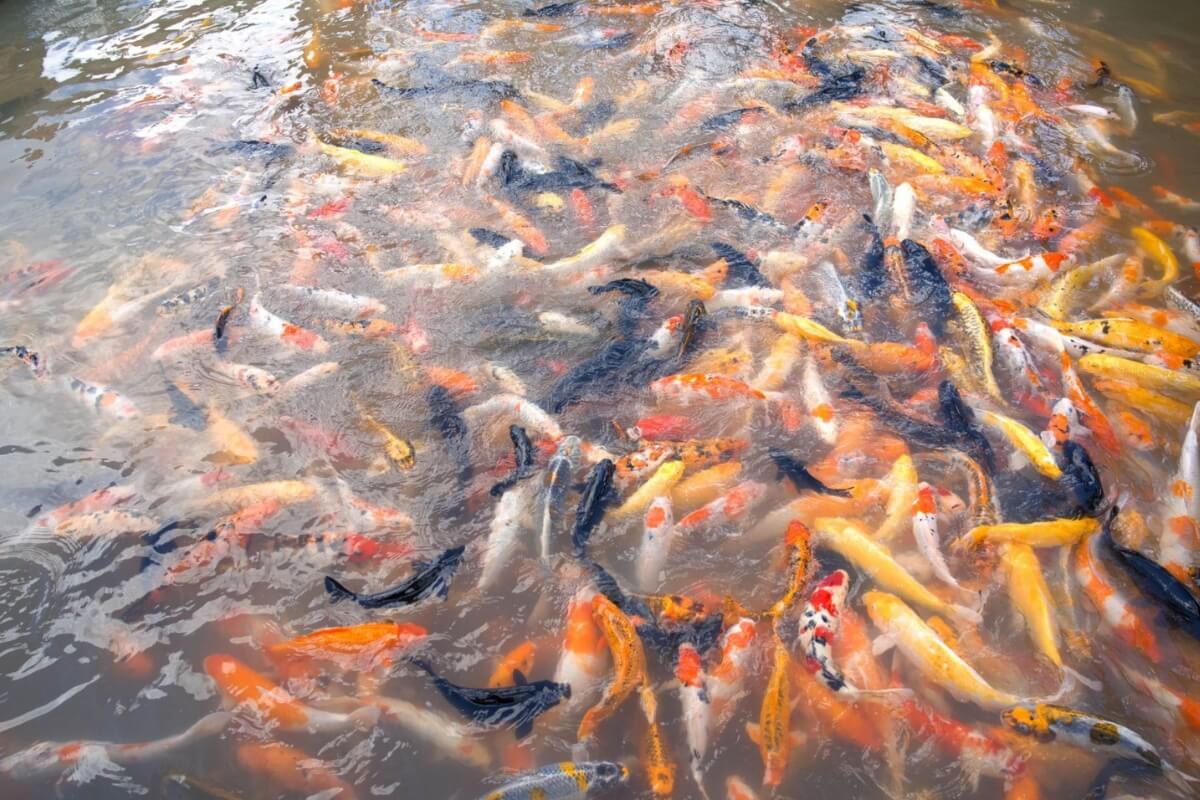
Among all the attractions on Con Son Islet, the famous flying fish feeding show has become its signature experience.
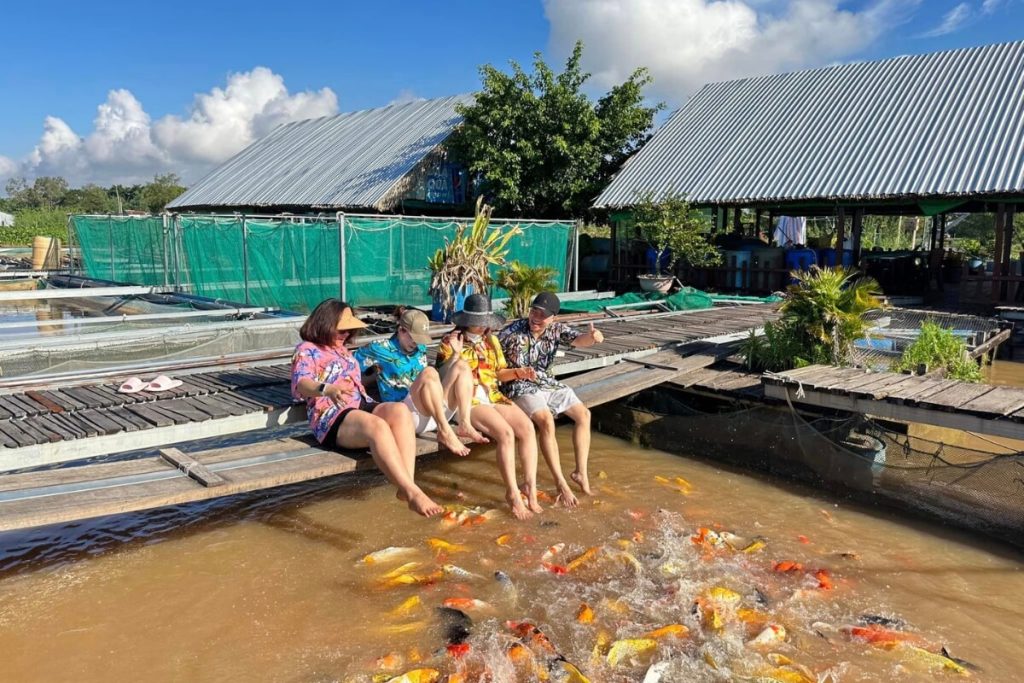
Rather than a staged entertainment performance, this fascinating demonstration began as a practical feeding technique used by local fish farmers. Over time, visitors were amazed to see hundreds of snakehead fish leap dramatically out of the water whenever food was thrown onto the floating cages. Today, the activity has become one of the island's most recognizable highlights while remaining rooted in authentic aquaculture practices.
Standing beside the floating fish rafts, visitors witness dozens—even hundreds—of fish launching themselves into the air simultaneously. The synchronized movement creates an unforgettable spectacle that is especially popular with photographers and families traveling with children.
Beyond the visual excitement, local hosts explain how fish farming has supported generations of Mekong Delta families and how sustainable aquaculture contributes to the region's economy. These conversations provide valuable context, turning a simple demonstration into a meaningful cultural learning experience.
For many travelers, the flying fish feeding show perfectly captures the spirit of community-based tourism—an everyday activity transformed into a memorable encounter through genuine interaction with local people.
Visit Traditional Floating Fish Farms
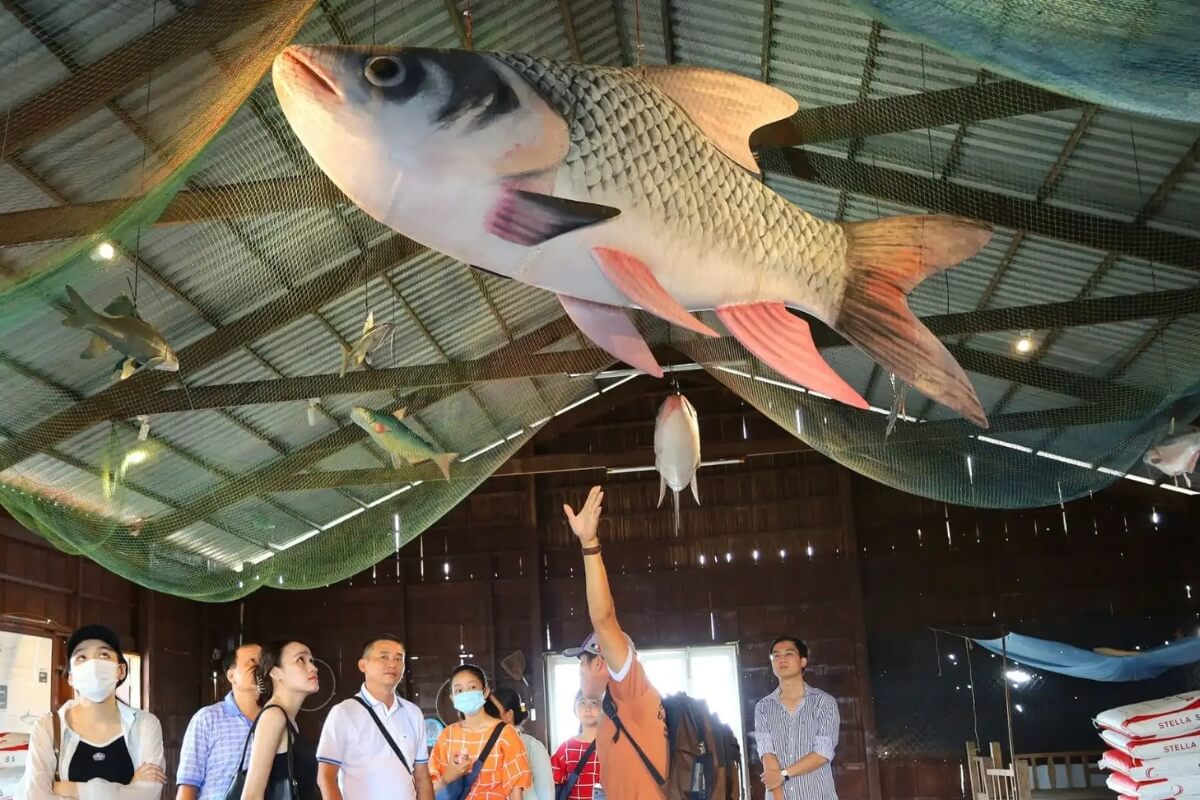
Life on the Hau River has always been closely connected to aquaculture, and visiting the island's floating fish farms offers a unique opportunity to understand this important aspect of the Mekong Delta's economy.
Several local families welcome visitors onto their floating houses, where enormous cages beneath the wooden platforms are home to thousands of fish. Walking across the floating structures provides a fascinating perspective on how families live and work directly on the river.
Local hosts enthusiastically share stories about raising fish, maintaining water quality, selecting healthy fingerlings, and adapting to seasonal changes in the Mekong River. Their firsthand knowledge offers insights rarely found in guidebooks.
Visitors often have the chance to feed the fish themselves, making the experience interactive while gaining a deeper appreciation for the hard work involved in sustaining traditional livelihoods.
The floating fish farms demonstrate how tourism can coexist harmoniously with local industries, allowing visitors to learn while supporting families without disrupting their daily routines.
Relax with a Natural Fish Massage
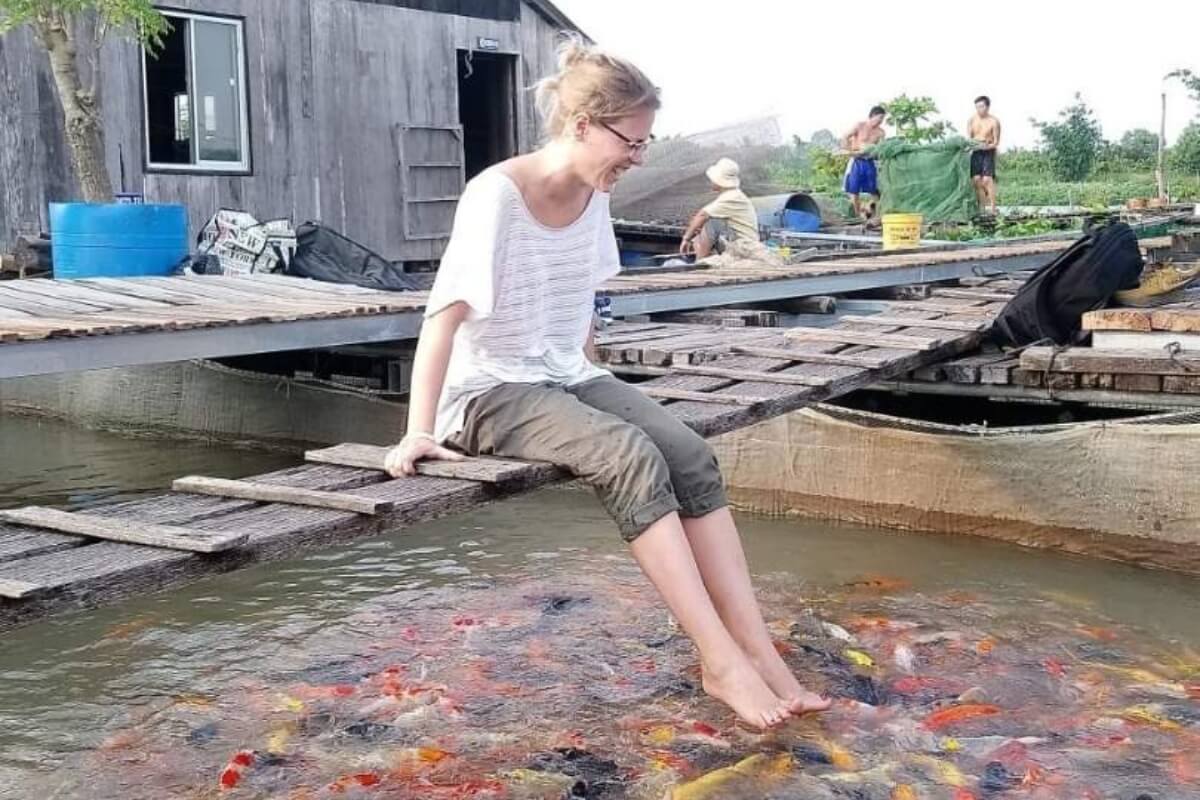
One of the island's most unexpectedly enjoyable experiences is the natural fish massage, which has become a favorite stop for visitors of all ages.
Unlike commercial spa treatments found in many tourist destinations, the fish massage on Con Son Islet feels refreshingly simple and authentic. Guests sit comfortably on wooden platforms beside shaded ponds while small fish gently nibble away dead skin from their feet.
The sensation often begins with laughter as the tiny fish tickle your toes, but it soon becomes surprisingly relaxing. Surrounded by tropical gardens, fresh river air, and peaceful countryside sounds, the experience offers a welcome break from busy sightseeing schedules.
While the fish massage itself lasts only a short time, the tranquil atmosphere encourages visitors to slow down and appreciate the unhurried pace of island life—a central philosophy of community-based tourism.
Explore Lush Tropical Fruit Orchards
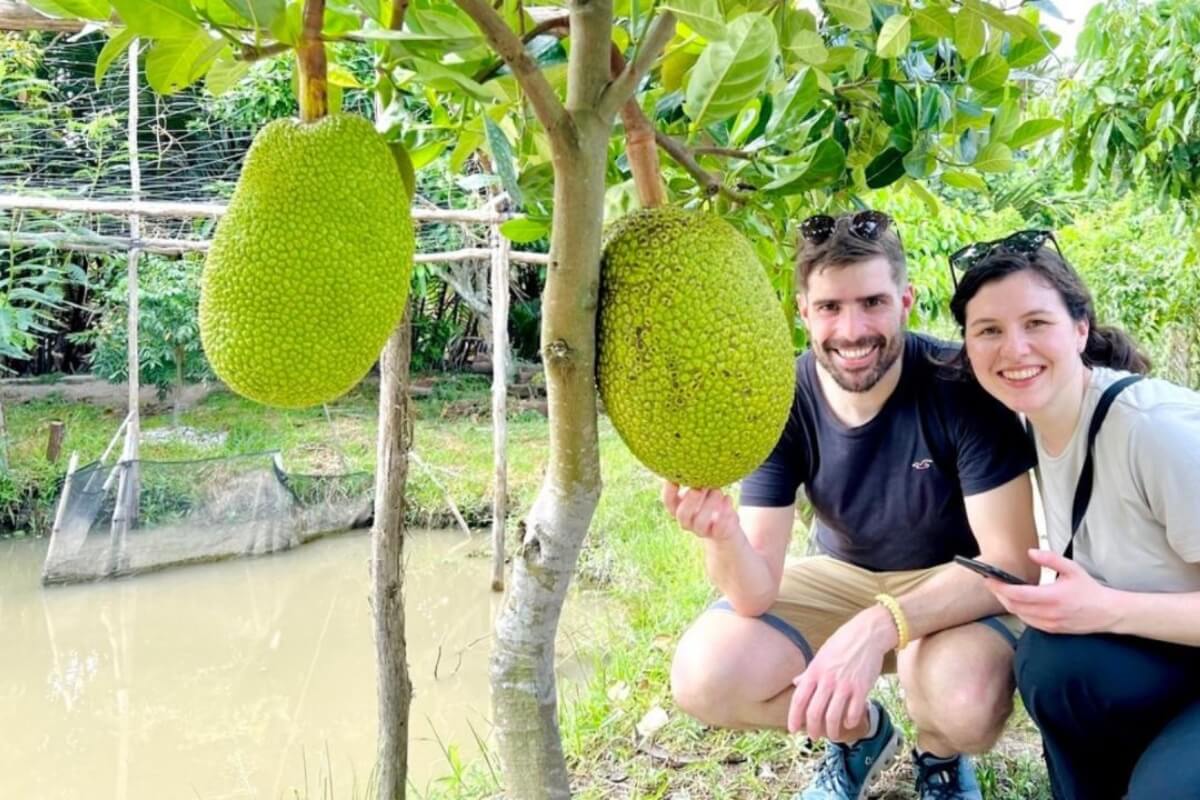
The fertile soil deposited by the Mekong River has made Con Son Islet an ideal place for cultivating a remarkable variety of tropical fruits.
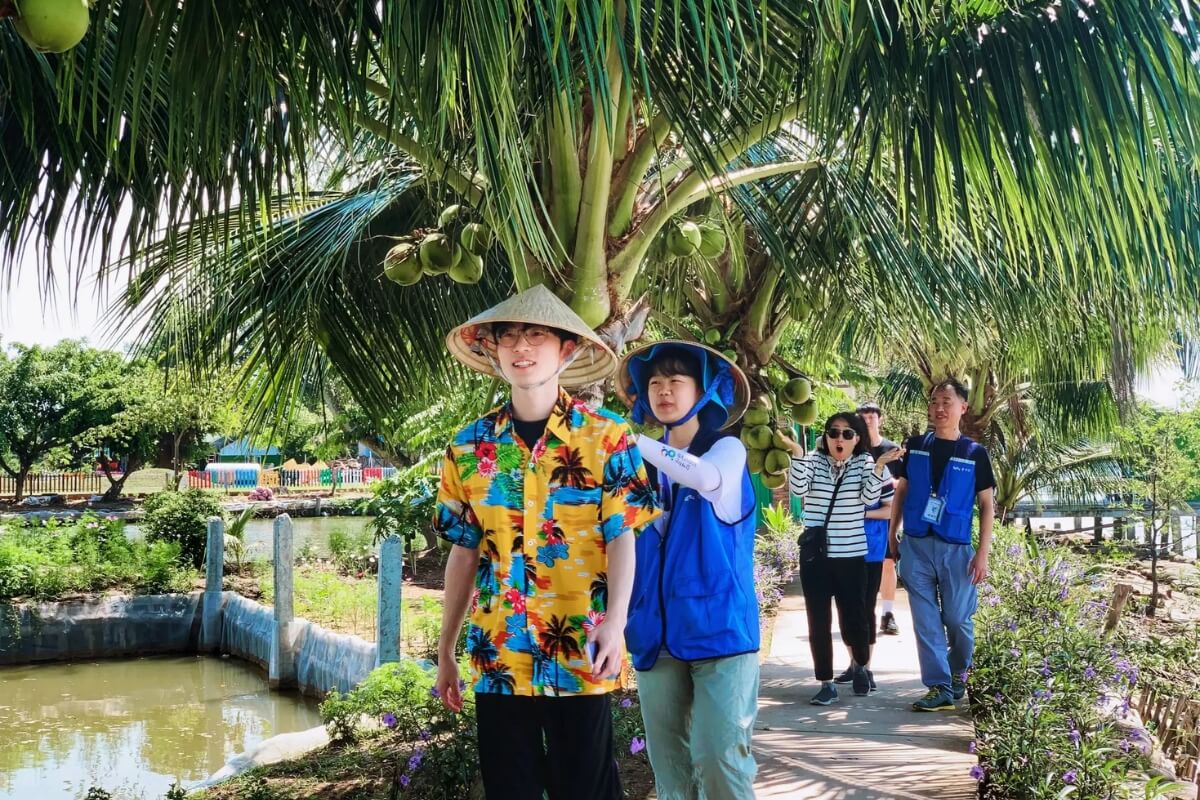
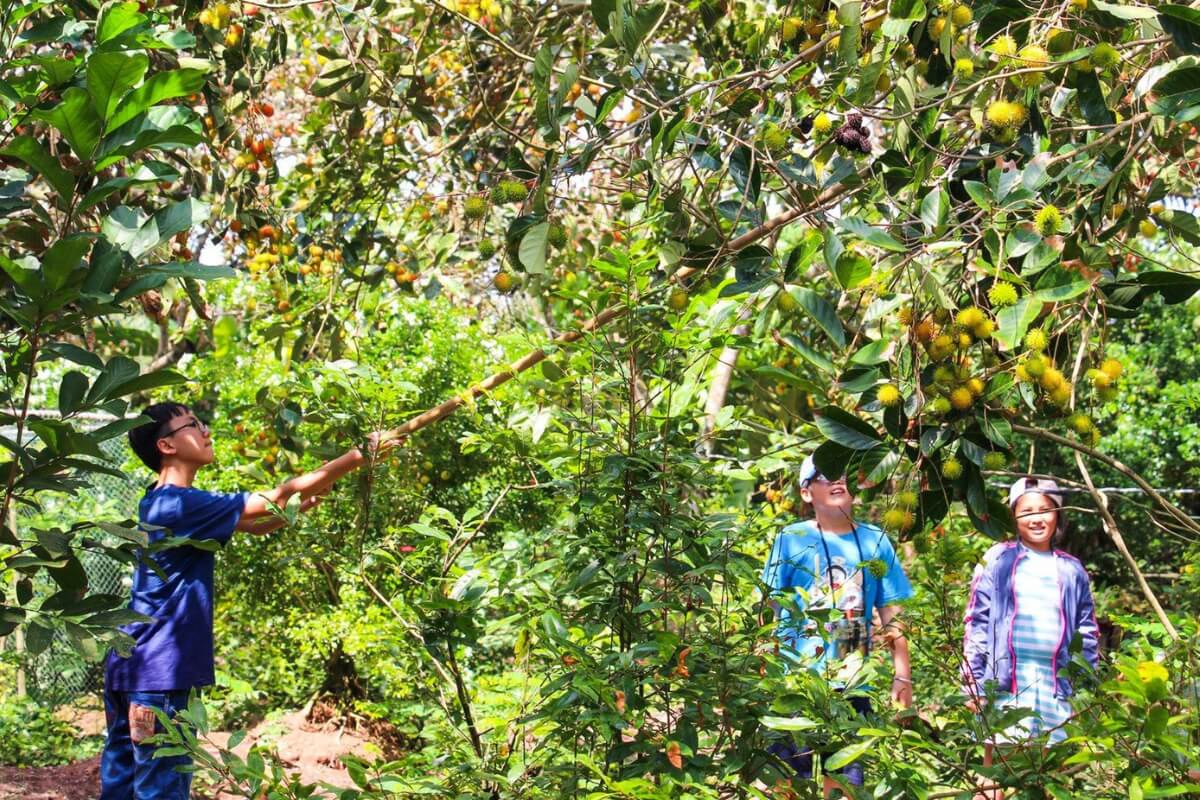
Walking through the island's orchards allows visitors to discover seasonal produce grown using traditional farming methods. Depending on the time of year, guests may sample rambutan, longan, mangosteen, star apple, jackfruit, guava, dragon fruit, mangoes, pomelos, or durian.
Rather than simply purchasing fruit at a market, visitors experience the joy of picking ripe fruit directly from the trees alongside the farmers who cultivate them. Local hosts explain harvesting techniques, seasonal cycles, and the importance of sustainable agriculture in preserving soil quality and biodiversity.
Many families also prepare freshly squeezed fruit juices and homemade desserts using ingredients harvested from their own gardens, providing delicious refreshments while showcasing the abundance of the Mekong Delta.
For photographers, the orchards offer vibrant colors throughout the year, especially during harvest season when heavy clusters of tropical fruit hang from the branches beneath the shade of coconut palms.
Learn to Make Traditional Vietnamese Cakes
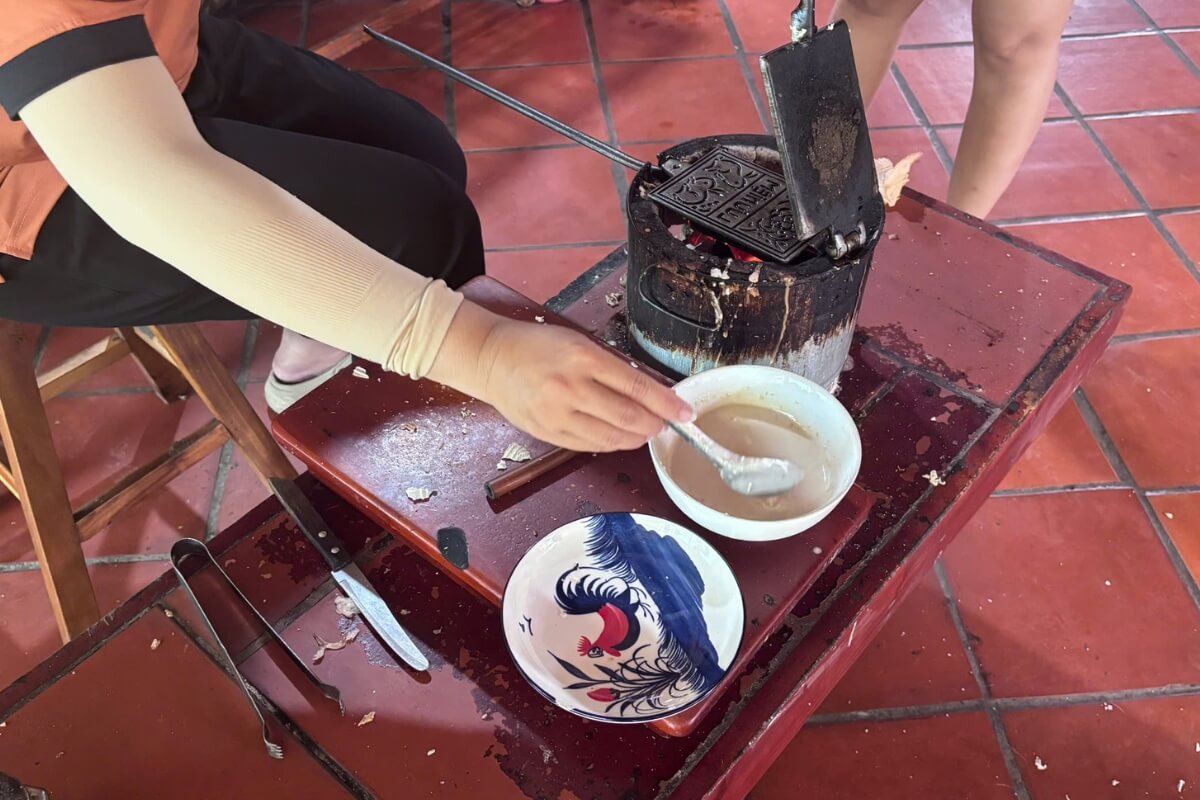
Food plays an essential role in the cultural identity of the Mekong Delta, and one of the most rewarding activities on Con Son Islet is participating in a traditional cake-making workshop.
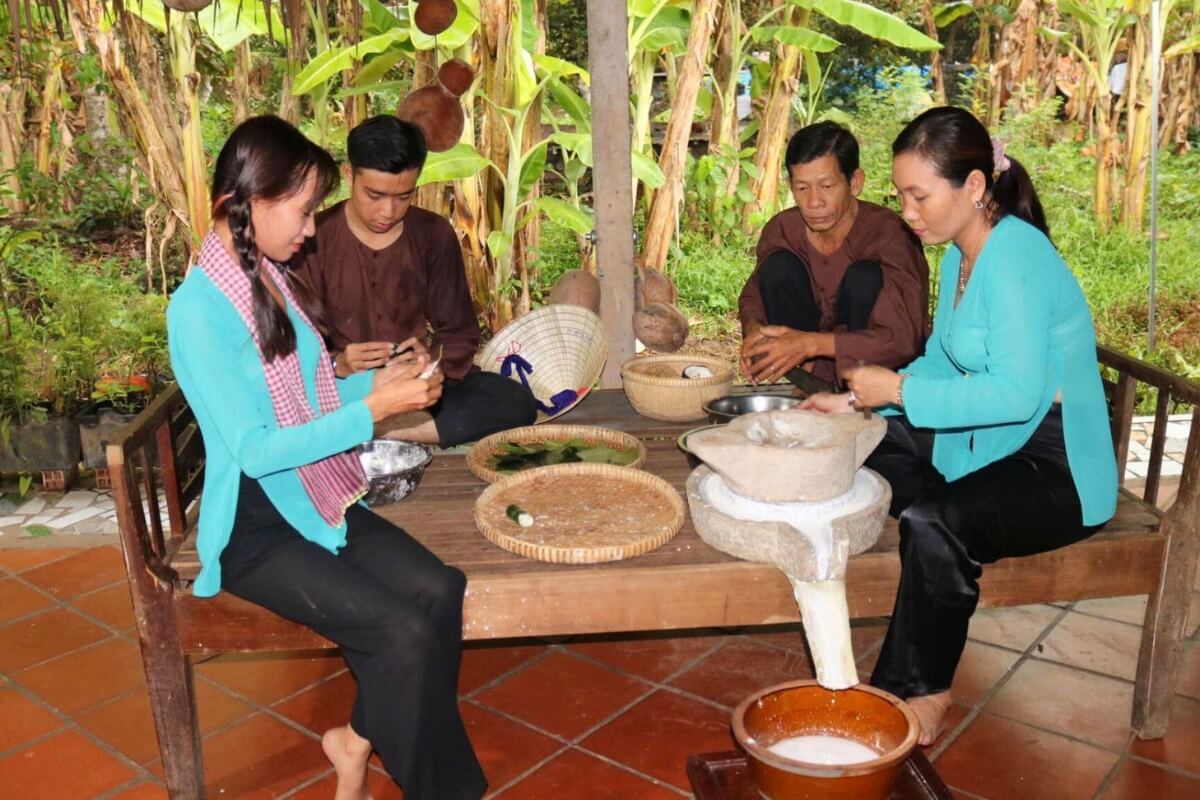
Local women warmly welcome visitors into their homes, where they demonstrate recipes that have been passed down through generations. Using simple, locally sourced ingredients such as glutinous rice flour, coconut milk, mung beans, banana leaves, pandan leaves, and fresh coconut, they create colorful traditional cakes enjoyed throughout southern Vietnam.
Rather than watching from a distance, guests are encouraged to join every step of the process—from mixing the batter and wrapping the cakes to steaming and tasting the finished products.
These interactive cooking sessions create genuine opportunities for cultural exchange. Conversations naturally flow as hosts explain family traditions, local festivals, and childhood memories associated with each recipe.
Sharing freshly made cakes over tea often becomes one of the most memorable moments of the visit, highlighting the warmth and hospitality that define Con Son Islet Can Tho.
Cycle Through Peaceful Village Paths
One of the simplest yet most rewarding ways to explore the island is by bicycle.
With very little traffic and flat countryside roads, Con Son Islet provides an ideal environment for leisurely cycling. Quiet paths wind through fruit orchards, vegetable gardens, fish ponds, coconut groves, and traditional wooden homes, offering countless opportunities to observe everyday rural life.
Unlike crowded urban destinations, there is no need to rush. Cyclists frequently stop to photograph blooming flowers, wave to friendly locals, or simply enjoy the peaceful scenery along the riverbanks.
The relaxed pace allows visitors to appreciate details that might otherwise go unnoticed: children playing beneath fruit trees, elderly residents tending gardens, fishermen repairing nets, and colorful birds soaring above the canals.
Cycling also aligns perfectly with the island's commitment to sustainable tourism by minimizing environmental impact while encouraging deeper engagement with the local landscape.
Meet Local Families and Experience Authentic Mekong Hospitality
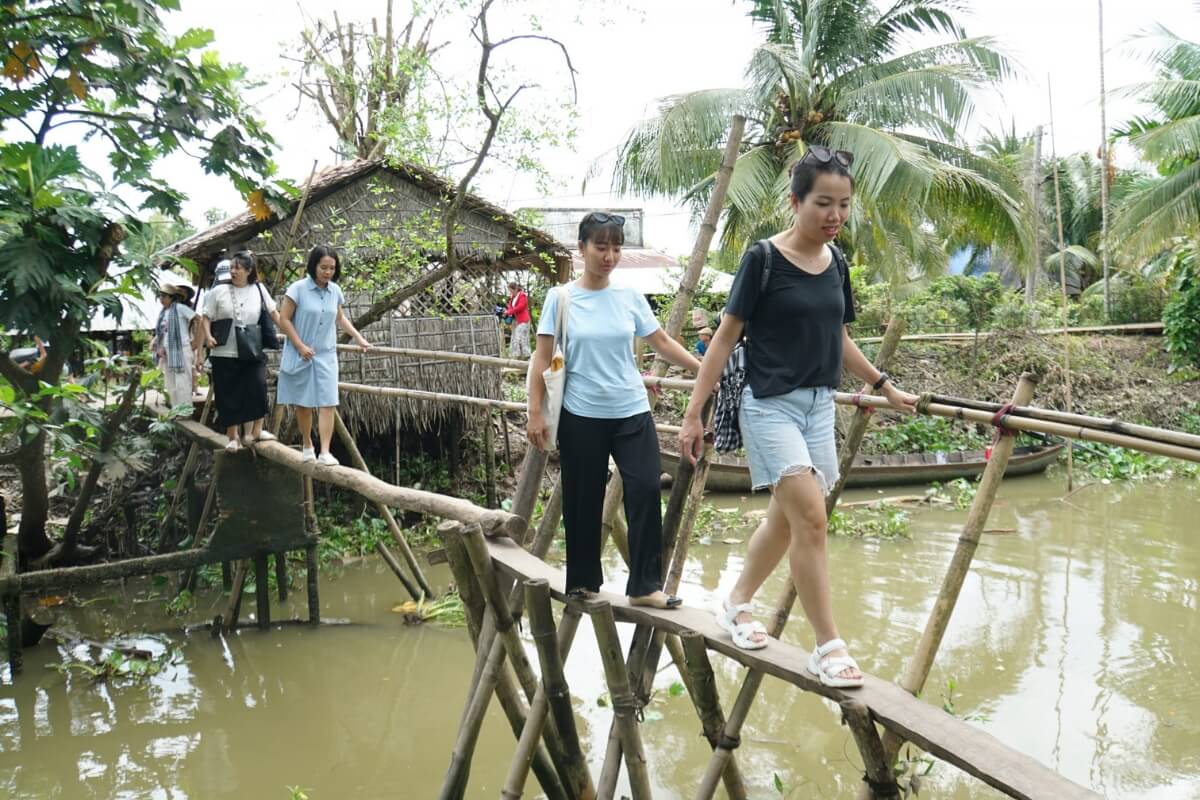
Perhaps the greatest attraction of Con Son Islet is not a particular landmark but its people.
The island's residents have transformed hospitality into an art form. Rather than offering scripted performances, they invite visitors into their homes with genuine warmth and openness.
Guests often find themselves sharing tea in family gardens, learning about local customs, discussing farming traditions, or hearing stories about how the community developed its successful tourism model.
These personal interactions create meaningful connections that many travelers describe as the highlight of their journey through the Mekong Delta. Unlike destinations dominated by commercial tourism, conversations here feel spontaneous, sincere, and deeply human.
For international visitors seeking cultural immersion, these encounters provide valuable insights into Vietnamese family life, community values, and the strong sense of cooperation that has made community-based tourism in Con Son Islet so successful.
Enjoy Homemade Mekong Delta Cuisine
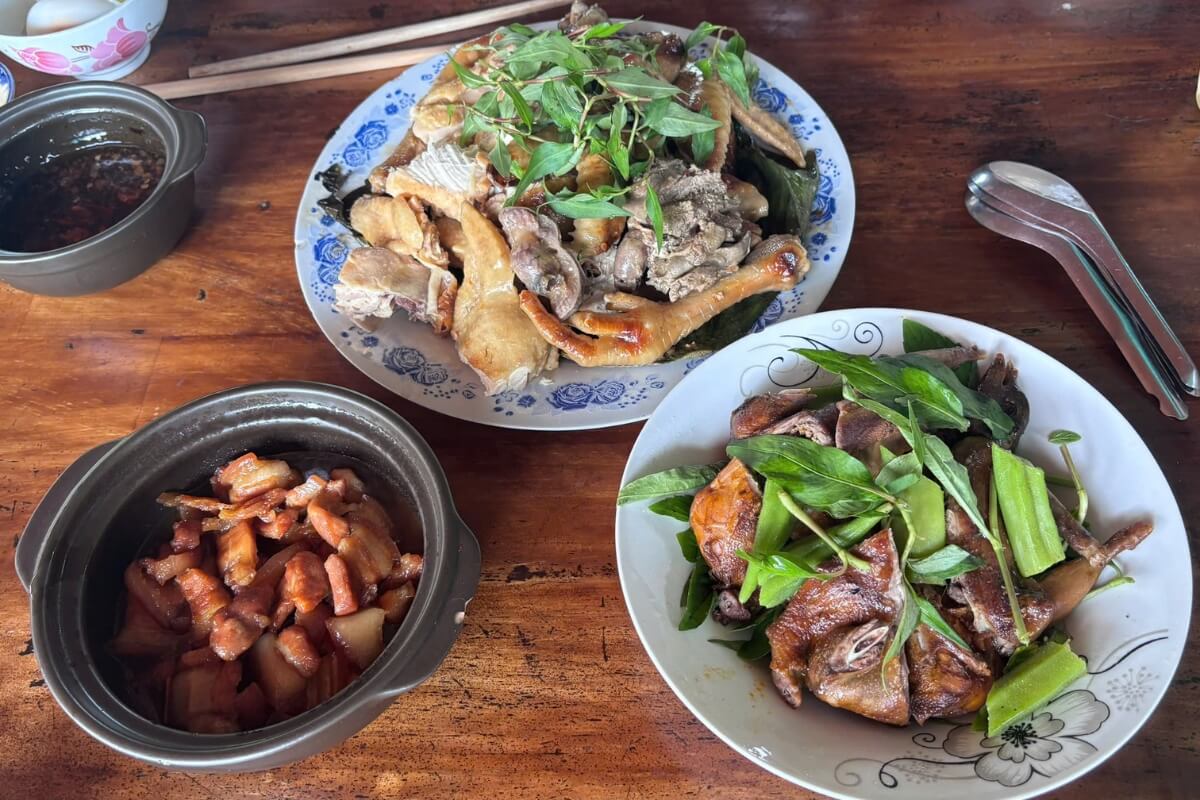
Meals are typically prepared using ingredients harvested directly from local gardens, rivers, and nearby farms. Fresh vegetables, river fish, herbs, tropical fruits, and homemade sauces combine to create dishes that are both flavorful and deeply connected to the surrounding environment.
Popular specialties include grilled snakehead fish wrapped in rice paper with fresh herbs, crispy Vietnamese pancakes (Bánh Xèo), caramelized clay-pot fish, sour fish soup, elephant ear fish, steamed river prawns, and seasonal vegetables served with local dipping sauces.
Because meals are cooked in family homes rather than commercial restaurants, visitors enjoy recipes that reflect generations of culinary tradition. The relaxed, communal dining atmosphere encourages conversation and provides another opportunity to experience genuine Vietnamese hospitality.
Watch Traditional Folk Performances
Depending on the season and the tour program, visitors may also enjoy performances of Đờn Ca Tài Tử, Southern Vietnam's traditional folk music recognized by UNESCO as an Intangible Cultural Heritage.
Performed by local musicians, these intimate performances feature expressive vocals accompanied by traditional instruments such as the đàn kìm, đàn tranh, đàn cò, and guitar phím lõm.
Rather than taking place on a large stage, performances are often held in garden settings or family homes, creating an atmosphere that feels personal and authentic. Listening to the melodies while surrounded by fruit trees and river breezes offers a deeper appreciation of southern Vietnamese culture.
Capture Stunning Photos Across the Island
For photography enthusiasts, Con Son Islet offers countless opportunities to capture authentic images of the Mekong Delta.
Golden sunrise light reflecting across the Hau River, colorful tropical orchards, smiling local farmers, floating fish farms, traditional wooden boats, lush coconut palms, and rustic village lanes all contribute to the island's visual charm.
Unlike more crowded destinations, photographers can take their time composing shots without large tourist crowds interrupting the scenery. The changing light throughout the day provides different moods, making both morning and late afternoon ideal times for photography.
Whether you're using a professional camera or simply a smartphone, the island's peaceful atmosphere and genuine local life ensure memorable images that tell the story of Vietnam beyond its famous landmarks.
Travel Tips for Visiting Con Son Islet
To make the most of your visit, it's helpful to plan ahead and embrace the island's relaxed pace of life.
Comfortable clothing and lightweight footwear are recommended, as much of the exploration involves walking through orchards, village paths, and riverside areas. Because southern Vietnam enjoys warm weather year-round, sunscreen, sunglasses, and a hat are also advisable.
Carrying cash is useful, as many small family businesses and local vendors do not accept international credit cards. Purchasing handmade products, fresh fruit, or homemade snacks directly supports local households.
Visitors are encouraged to ask permission before photographing local residents, especially inside family homes. The welcoming nature of the community often leads to wonderful conversations, making respectful interaction an important part of the experience.
Although English is spoken by some guides and tourism operators, many local residents communicate primarily in Vietnamese. Fortunately, smiles, gestures, and genuine curiosity easily bridge language barriers, often creating some of the most memorable moments of the journey.
Most importantly, allow yourself plenty of time. Con Son Islet is not a destination to rush through. The true beauty of the island lies in slowing down, appreciating everyday life, and embracing meaningful cultural exchange.
Nearby Attractions to Combine with Con Son Islet
One of the advantages of visiting Con Son Islet Can Tho is its proximity to several of the Mekong Delta's most famous attractions. Combining these destinations allows travelers to experience the region's diverse culture, history, and landscapes in a single trip.
Cai Rang Floating Market
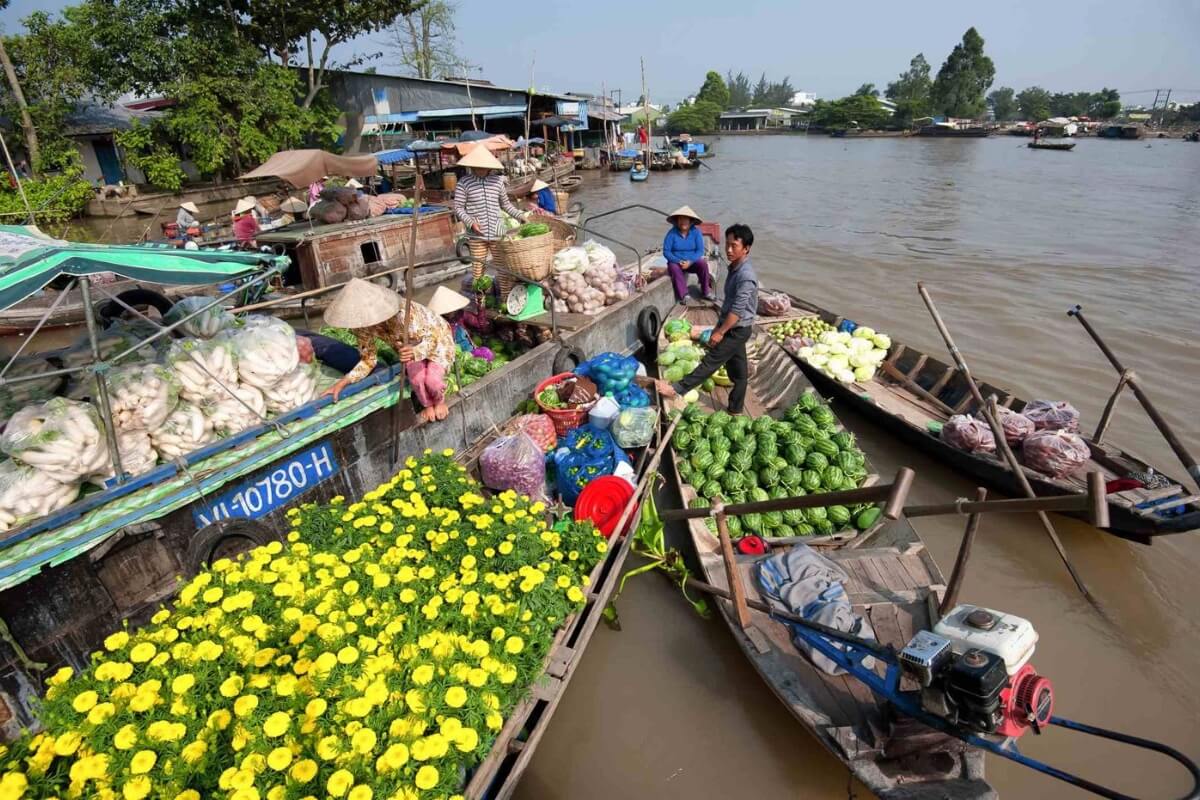
No visit to Can Tho is complete without exploring Cai Rang Floating Market, the largest and most famous floating market in the Mekong Delta. Early each morning, hundreds of boats gather on the river to trade fruits, vegetables, flowers, and local specialties, creating one of Vietnam's most vibrant cultural experiences.
Visiting the market before heading to Con Son Islet provides fascinating insight into the region's long-standing river commerce and complements the island's community-based tourism experiences.
Binh Thuy Ancient House
Built in the late nineteenth century, Binh Thuy Ancient House showcases a unique blend of French colonial architecture and traditional Vietnamese design.
The beautifully preserved residence has served as the filming location for several international movies and offers visitors a glimpse into the lifestyle of wealthy Mekong families during the colonial period.
Its elegant interiors, antique furnishings, and peaceful gardens make it one of Can Tho's most photographed historical landmarks.
My Khanh Tourist Village
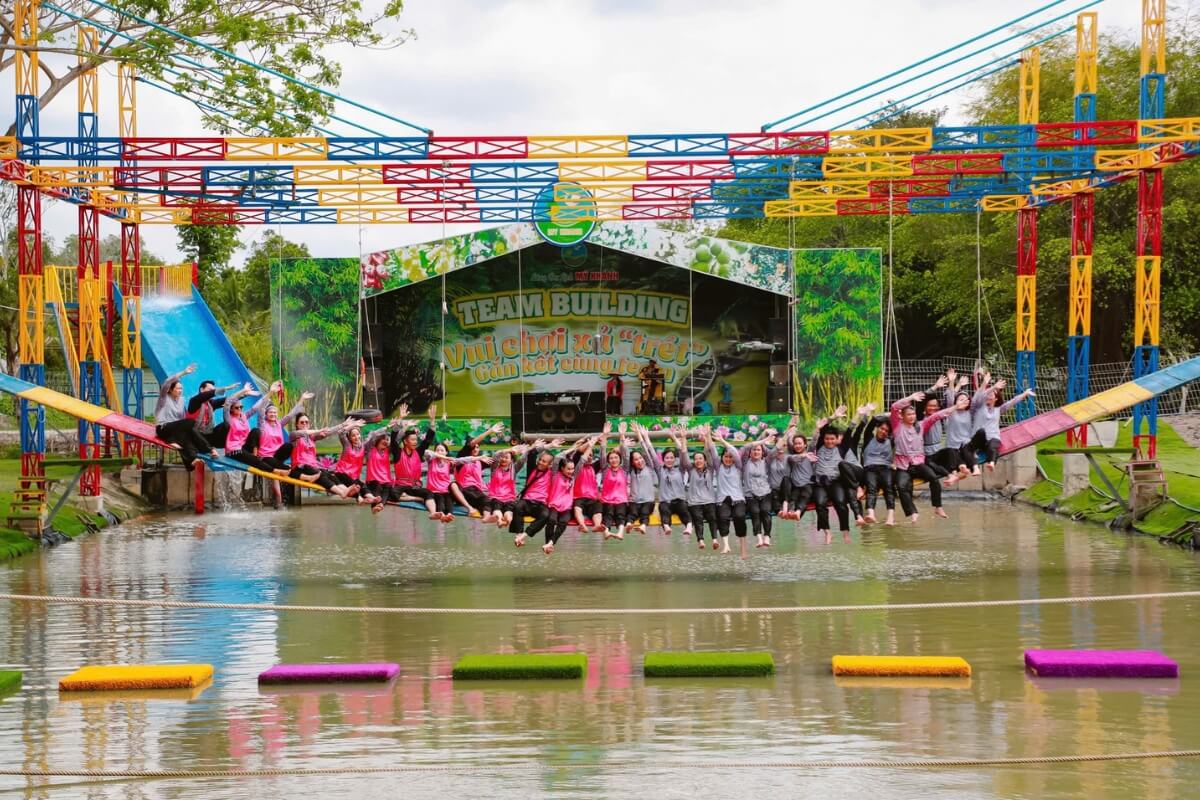
Travelers interested in additional cultural activities can also visit My Khanh Tourist Village, where traditional games, fruit orchards, folk performances, and local cuisine provide further insight into Mekong Delta culture.
While more developed than Con Son Islet, My Khanh complements the island by offering a broader overview of regional traditions and agricultural life.
Ninh Kieu Wharf
Located in the heart of Can Tho, Ninh Kieu Wharf is one of the city's most popular waterfront destinations.
Visitors can enjoy scenic river views, dine at local restaurants, explore nearby night markets, or take evening cruises along the Hau River after returning from Con Son Islet.
The lively atmosphere provides an enjoyable contrast to the island's peaceful countryside.
Frequently Asked Questions About Con Son Islet
Is Con Son Islet worth visiting?
Absolutely. Con Son Islet is one of the most authentic destinations in the Mekong Delta for travelers seeking meaningful cultural experiences rather than conventional sightseeing. Unlike commercial attractions, the island offers genuine interactions with local families, traditional farming activities, floating fish farms, tropical fruit orchards, and homemade Mekong cuisine. If you're looking to experience the real life of the Mekong Delta, Con Son Islet is well worth adding to your itinerary.
How much time should I spend at Con Son Islet?
Most visitors spend half a day to one full day exploring the island. A half-day visit is sufficient to experience the flying fish feeding show, fruit orchards, fish farms, and local workshops. However, spending a full day allows you to enjoy a leisurely lunch with local families, cycle around the island, participate in cooking activities, and fully appreciate the slower pace of life.
What makes Con Son Islet different from other Mekong Delta attractions?
Unlike many destinations focused on sightseeing or entertainment, Con Son Islet emphasizes authentic community participation. Every tourism activity is organized by local residents, allowing visitors to experience daily life through meaningful interactions rather than staged performances. This collaborative approach makes the island one of Vietnam's leading examples of sustainable community-based tourism.
Is Con Son Islet suitable for families?
Yes. Families with children particularly enjoy the flying fish feeding show, tropical fruit gardens, fish massage, bicycle rides, and opportunities to meet friendly local residents. The island's peaceful environment and educational experiences make it an excellent destination for travelers of all ages.
What local foods should I try?
Visitors should not miss Mekong Delta specialties such as grilled snakehead fish, crispy Bánh Xèo, elephant ear fish, caramelized clay-pot fish, fresh tropical fruits, homemade traditional cakes, and locally prepared herbal drinks. Most meals are prepared by island residents using ingredients harvested directly from their gardens and nearby rivers.
Can Con Son Islet be combined with other attractions?
Yes. Many travelers combine Con Son Islet with Cai Rang Floating Market, Binh Thuy Ancient House, Ninh Kieu Wharf, and My Khanh Tourist Village as part of a one-day or two-day itinerary in Can Tho.
