
Asia has a way of surprising first-time cruise passengers. The ports are more varied, the distances more significant and the cultural contrasts more dramatic than almost any other cruising region in the world. Knowing what to expect before your ship pulls into its first Asian port makes the difference between a day that feels overwhelming and one that feels like the highlight of your trip. From classic Southeast Asia routes to longer East Asia sailings, this guide helps first-time cruise passengers understand what to expect, how to plan each port day and how to prepare for a smoother experience ashore. For a full overview of what is available across the region, Shore Excursions Asia is a good place to start planning before you even board.
What Exactly Is a Shore Excursion?
A shore excursion is a guided tour or activity organized for cruise passengers during a port stop. When your ship docks or anchors at a destination, you have a fixed window of time ashore before the ship departs. A shore excursion is the structured way to use that time, with transport, a guide and an itinerary taken care of so you can focus entirely on the experience.
Shore Excursion vs. Independent Travel - What's the Difference?
The core difference is accountability. On a shore excursion booked through a reputable operator, someone else is responsible for getting you back to the ship on time. If traffic is bad or a site visit runs long, the operator manages it. Going independently means you handle all transport, navigation and timing yourself. In some ports that works perfectly well. In others, particularly those with long transfers or complex logistics, it is a significant risk with real consequences if things go wrong.
Who Organizes Shore Excursions - The Cruise Line or Local Operators?
Both. Cruise lines offer their own shore excursion programs, bookable through the ship's tour desk or app. These are convenient and come with a guarantee that the ship will wait if a cruise line tour runs late. Independent local operators also offer shore excursions, typically at lower prices, with smaller group sizes and more flexible itineraries. Many experienced cruise passengers prefer independent operators precisely because of the more personal experience and better value, provided the operator has a strong track record with cruise passengers specifically.
How Asia Cruise Ports Typically Work
Asia's cruise ports vary enormously in size, layout and procedure. Understanding the basics before you arrive means less time figuring things out on the dock and more time actually ashore.
The Arrival Process - Tendering vs. Docking
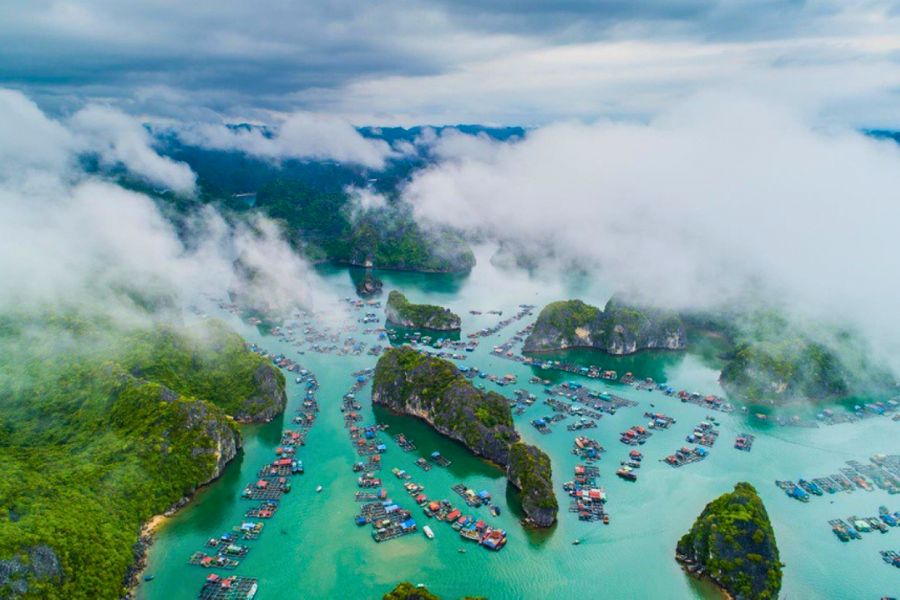
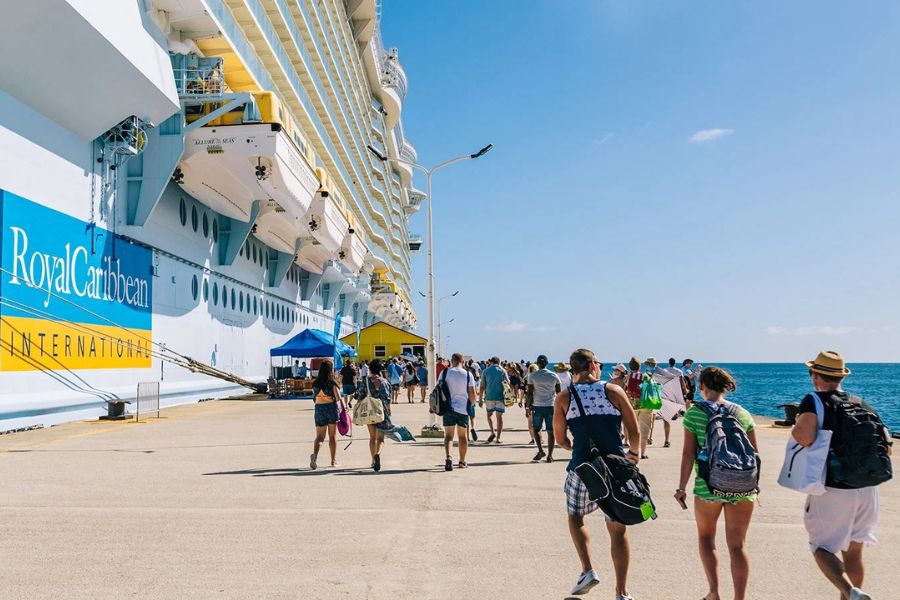
At most major ports, your ship will dock directly at a pier and passengers disembark via a gangway. At some destinations, particularly those with shallow waters or no dedicated cruise infrastructure, ships anchor offshore and passengers are ferried to the beach or pier by tender boats. Ha Long Bay in Vietnam and some Indonesian island stops use tendering. Tender queues can eat into your time ashore, particularly early in the morning when everyone is trying to get off at once. If tendering is on the schedule, being among the first groups ashore is worth the early start.
How Much Time Do You Actually Get Ashore?
Port stays in Asia typically run between 6 and 12 hours. The usable portion of that time depends heavily on how far your destination is from the dock. At walkable city ports like Singapore or Hong Kong, nearly all of your port time is productive. At transfer-heavy ports like Phu My in Vietnam or some Chinese ports where the city is an hour or more away, factor in 2 to 4 hours of round-trip travel before calculating what you can realistically fit in. First-timers consistently underestimate this and end up rushing through sites they would have enjoyed at a slower pace.
Port Formalities - Customs, Immigration & Re-Boarding Rules
In most Asian ports, cruise passengers on shore excursions move through port formalities quickly. You will typically need your ship card (also called a cruise card or sea pass) to disembark and re-board. Some ports, particularly in China and Japan, may require passport checks. Your ship will brief passengers on local requirements before arrival. Re-boarding times are strict. Ships publish an "all aboard" time that is typically 30 minutes before departure, and that deadline is enforced without exception.
What First-Timers Get Wrong About Shore Excursions in Asia
Most first-time mistakes in Asian ports come down to assumptions that work fine in Europe or the Caribbean but do not translate well to this region.
Underestimating Travel Time from Port to City
Asia's cruise ports are frequently located outside the city they serve. This is particularly common in China, Vietnam and parts of Japan, where industrial deep-water facilities were built away from urban centers. A port that appears close on a map can involve 90 minutes of highway driving in practice. First-timers who book their own transport without researching the actual distance often find themselves arriving at their destination with far less time than planned. Always look up the specific distance from your port to your intended destination before you decide how to structure your day.
Assuming Cruise Ship Tours Are the Only Option
The cruise line shore excursion program is prominently promoted on board, which leads many first-timers to assume it is the only legitimate way to go ashore. It is not. Independent local operators with strong reputations among cruise passengers often provide a significantly better experience at a lower price point. The key difference to understand is the ship return guarantee. When booking independently, confirm explicitly that the operator offers a formal guarantee to return you to the ship before departure.
Leaving Booking Too Late
Asia's most popular shore excursion routes fill up well in advance, particularly during peak cruise season. Hoi An tours from Chan May in Vietnam, Kyoto day trips from Osaka in Japan and private guides in Beijing are frequently sold out weeks before a ship arrives. Waiting until you are on board and browsing the tour desk is a reliable way to end up with limited options. Booking 4 to 8 weeks before sailing gives you access to the best operators, the best itineraries and, in many cases, better pricing.
Major Asia Cruise Port Categories You'll Encounter

Asia's ports fall into a few distinct categories, each with its own character and its own approach to shore excursions.
Cultural Heritage Ports - Kyoto, Hoi An, Bagan
These are the ports that tend to define an Asia cruise for most passengers. Kyoto from Osaka, Hoi An from Chan May and Bagan from river cruise stops in Myanmar each offer access to a depth of history and craftsmanship that is genuinely rare. These destinations reward time spent slowly rather than being rushed through on a checklist itinerary. A private guide who can tailor the pace and focus to your interests makes a substantial difference at heritage ports, where the context behind what you are looking at is often as important as the sight itself.
Modern City Ports - Singapore, Hong Kong, Tokyo
City ports present a different kind of opportunity. Singapore, Hong Kong and Yokohama (for Tokyo) are world-class urban destinations where the infrastructure is easy to navigate, English is widely spoken and independent exploration is entirely realistic. Shore excursions at these ports work best when they offer access to something you could not easily find on your own, such as a local food experience, an expert-guided cultural neighbourhood walk or a day trip to an attraction outside the city.
Nature & Island Ports - Ha Long Bay, Komodo, Langkawi
Nature ports are where Asia cruising offers something genuinely unlike any other region in the world. Ha Long Bay's limestone karst landscape, Komodo's Komodo dragons and Langkawi's rainforest interior are all experiences that require being on the water or in the landscape, not in a city. Shore excursions at these ports tend to be activity-based: kayaking, hiking, snorkeling or boat tours. These are also ports where the quality of your guide and the condition of the equipment matter more than at straightforward city stops.
How to Choose the Right Shore Excursion for Each Port
Not every port calls for the same type of excursion, and the best choice depends on a combination of your interests, your group and how much time the ship is giving you ashore.
Matching the Excursion Type to Your Interests
Start with what your group genuinely wants from a port day. History and culture, active outdoor experiences, food and local life, and relaxation at a beach or spa are all valid priorities and each maps to a different type of excursion. At ports like Hoi An or Kyoto, a cultural walking tour with a knowledgeable guide is almost always the right call. At Ha Long Bay, getting on the water in a kayak or a small boat is what the destination is built for. Choosing an excursion type that does not match the destination's strengths is one of the more common ways passengers end up disappointed.
Group Tours vs. Private Tours - Cost and Experience Compared
Group tours typically accommodate 10 to 20 passengers and are priced accordingly. They are efficient, socially enjoyable for some travelers and logistically simple. Private tours cost more but give you complete control over timing, pace and stops. At time-pressured ports, that control often translates directly into a better day. A private vehicle that leaves when you are ready and stops where you want it to stop is a different experience from waiting for a group to reassemble at every attraction. Families, couples and travelers with specific interests tend to get the most value from private excursions.
Reading Reviews and Verifying Operators
Look for reviews on platforms where the operator cannot filter or remove feedback. Pay attention to comments about guide quality, punctuality and specifically how the operator handled anything that went wrong. An operator with a strong record of problem-solving under pressure is far more valuable at a port where your ship leaves at 5pm than one with perfect reviews built entirely on uncomplicated days. Check that the operator has a physical contact, a clear cancellation policy and explicit language about their ship return commitment.
What to Prepare Before Your First Asia Shore Excursion
A small amount of preparation before you arrive at each port goes a long way toward making the day run without friction.
Documents and Essentials to Carry Ashore
Always carry your ship card and a physical copy of your passport photo page. Some Asian ports require passport presentation even for cruise passengers on brief shore visits. Keep a note of your ship's departure time, the port's full address and your shore excursion operator's local contact number saved on your phone and written on paper as a backup. A small amount of local cash, a portable battery, sunscreen and water cover the rest of the essentials for most ports.
Money, Connectivity and Language Basics
Most major Asian port cities have ATMs within easy reach of the dock or in the city center. Cards are widely accepted in Singapore, Hong Kong and Japan but less reliable at markets and street vendors in Vietnam, Cambodia and Indonesia, where local cash is the practical default. A local SIM card or an international roaming plan gives you navigation and communication on the ground, both of which matter more than most travelers expect when you are working to a strict return time. A few words of the local language go a long way in terms of goodwill, but English is sufficient for navigating tourist areas in almost every major Asian port city.
Making Your First Asia Shore Excursion Count
The single most effective thing a first-time Asia cruise passenger can do is research each port before sailing rather than figuring it out on arrival. Knowing the distance from port to destination, the realistic time available ashore and the type of experience each port is best suited for turns an uncertain day into a well-executed one. For passengers sailing multiple Asian ports on a single itinerary, working with one specialist operator who covers the whole region simplifies planning considerably and ensures consistent quality from port to port. Explore the full range of options across the region at Shore Excursions Asia and get the groundwork done before you board.
Frequently Asked Questions About Shore Excursions in Asia
First-time Asia cruise passengers tend to arrive with similar questions. Here are the ones that come up most often before a first port day.
Do I Have to Book a Shore Excursion or Can I Just Explore on My Own?
You are never required to book a shore excursion. At many ports, independent exploration is entirely reasonable. The calculus changes at ports with long transfers, complex logistics or strict time windows, where a booked excursion with a guaranteed return gives you both a better experience and genuine peace of mind. Assess each port individually rather than applying the same approach to every stop.
What If I Have Mobility Limitations?
Many reputable shore excursion operators in Asia offer accessible options for passengers with mobility considerations. It is worth contacting operators directly before booking to confirm vehicle accessibility, walking distances and site conditions. Some of Asia's most rewarding destinations, including Ha Long Bay boat tours and several Japanese temple districts, are more accessible than they might appear from a distance.
How Far in Advance Should I Book?
For popular routes at peak season ports, 4 to 8 weeks before sailing is the practical window for best availability. For less-visited ports or shoulder season sailings, 2 to 3 weeks is usually sufficient. Booking on board through the ship's tour desk is always an option but typically offers fewer choices, higher prices and no guarantee of availability on the routes you actually want.
