
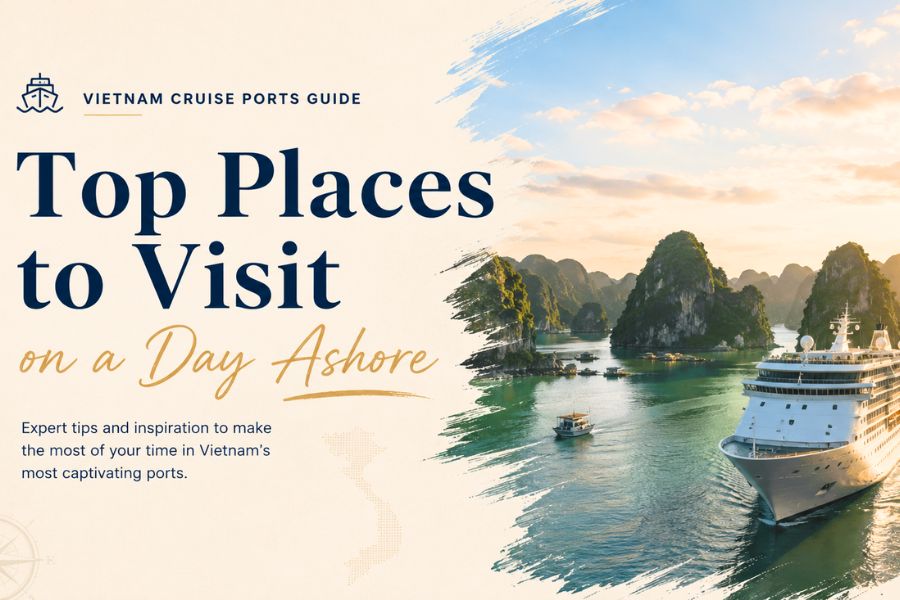
Vietnam has become one of the most anticipated stops on any Asia cruise itinerary. From the limestone karsts of Ha Long Bay to the lantern-lit streets of Hoi An, each port offers something genuinely different from the last. If you're looking to make the most of your time ashore, booking Vietnam shore excursions with a specialist who knows the ports inside out is the smartest move you can make before your ship even sets sail. This guide covers every major Vietnamese cruise port, what's worth your time, and how to get the day right from the moment you step off the gangway.
Why Vietnam Is a Must-Stop Destination on Any Asia Cruise
Vietnam consistently ranks among the highlights for cruise passengers sailing through Asia. Unlike ports where the city center is a blur of shopping malls and tourist traps, Vietnam's cruise stops tend to drop you close to living, breathing culture. Street food, ancient towns, working fishing villages and war history that still resonates deeply with Western visitors are all within reach. The food alone is worth the stop.
Vietnam's Growing Role in Asia Cruise Itineraries
Over the past decade, Vietnam has expanded its cruise infrastructure significantly. Phu My, Chan May, Ha Long and Nha Trang are now regular fixtures on itineraries operated by Celebrity Cruises, Royal Caribbean, Princess Cruises, Holland America and many others. Cruise lines have taken notice of passenger demand. Vietnam port days consistently receive high satisfaction ratings, which is why many itineraries now include two or even three Vietnamese ports in a single sailing.
What Makes Vietnamese Ports Different from Other Asian Stops
Most Asian cruise ports fall into two camps: ultra-modern city ports like Singapore, Hong Kong and Yokohama, or remote island stops with limited options. Vietnam sits in a rare middle ground. Its ports are gateways to genuinely historic destinations. UNESCO World Heritage Sites, French colonial architecture and ancient imperial citadels are all within a short transfer from the dock. Add one of the world's most celebrated food cultures and it becomes clear why Vietnam keeps showing up at the top of post-cruise surveys.
Overview of Major Cruise Ports in Vietnam
Vietnam stretches over 3,000 kilometers of coastline, so the port your ship calls at will shape your entire day ashore. Each stop has its own character, its own travel distances and its own set of experiences worth prioritizing.
Phu My Port - Gateway to Ho Chi Minh City
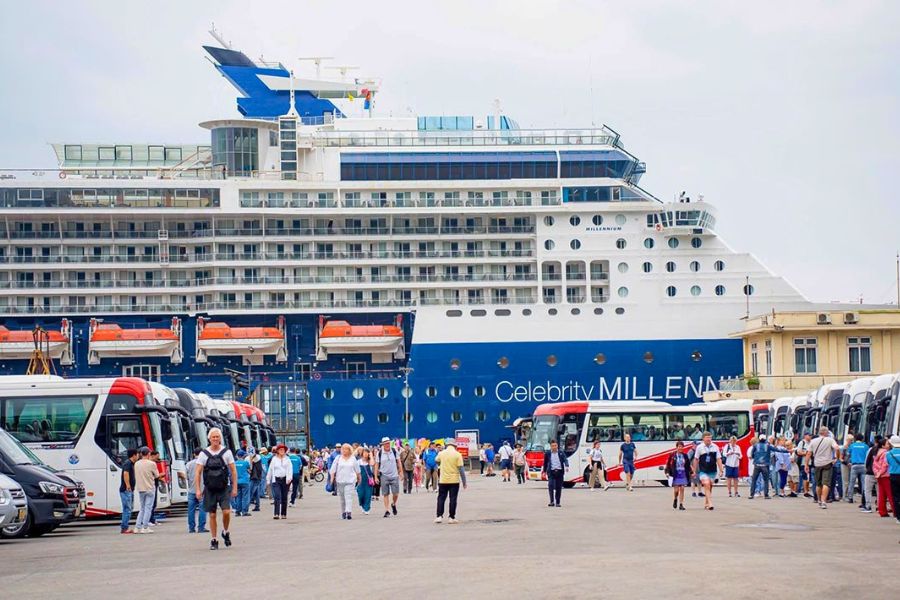
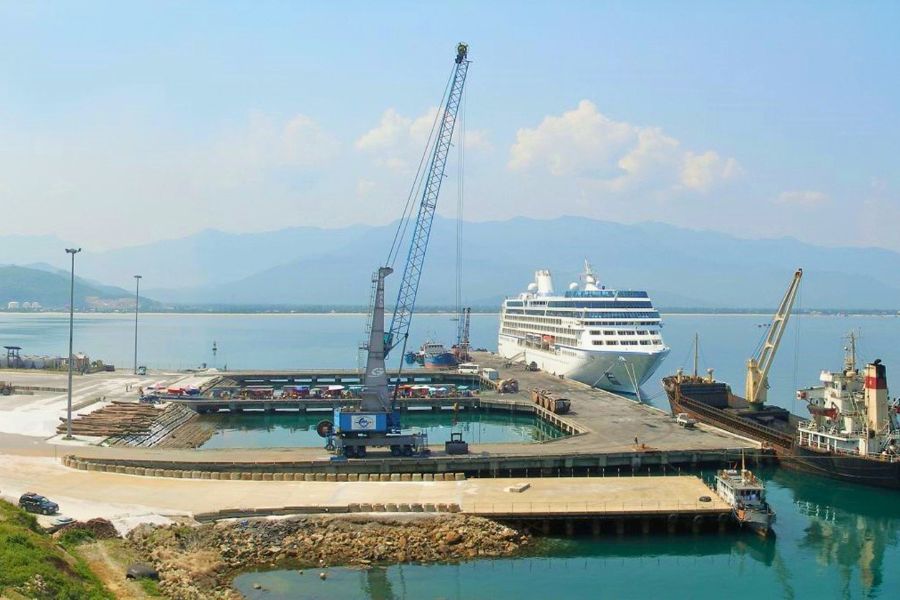
Phu My is Vietnam's busiest cruise port, located roughly 90 kilometers southeast of Ho Chi Minh City. Most cruise passengers use it as a launching point for a full-day excursion into the city, where the War Remnants Museum, Reunification Palace and Ben Thanh Market are the headline attractions. The Cu Chi Tunnels, an extraordinary underground network used during the Vietnam War, are also reachable from Phu My on a longer excursion day.
Transfer time from port to city center runs approximately 1.5 to 2 hours each way depending on traffic, so time management is critical here.
Chan May Port - Gateway to Da Nang, Hoi An & Hue
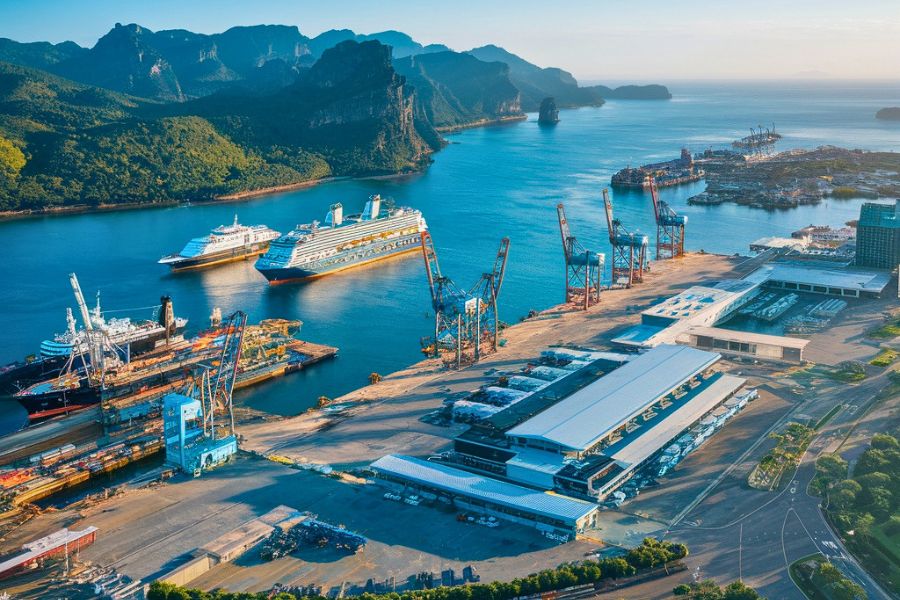
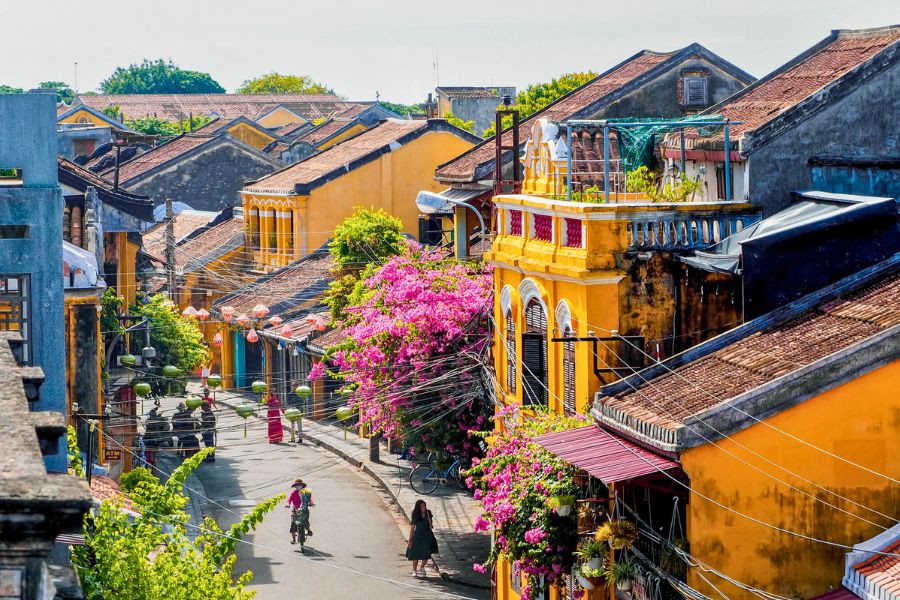
Chan May is arguably Vietnam's most versatile cruise port. From a single dock, passengers can reach three distinct destinations: Da Nang (30 minutes), Hoi An Ancient Town (45 minutes) and the Imperial City of Hue (1.5 hours). Hoi An in particular has become a bucket-list stop for cruise travelers. Its preserved trading port, tailor shops and riverside restaurants are unlike anything else in the region.
Ha Long Bay - A UNESCO World Heritage Cruise Stop
Ha Long Bay is unique in that the destination itself is the experience. Ships sailing here anchor within the bay, meaning passengers wake up surrounded by more than 1,600 limestone karsts rising from emerald water. Excursion options range from kayaking through sea caves to visiting floating fishing villages and taking a traditional junk boat through the bay's most scenic channels. This is one port where simply being there is enough.
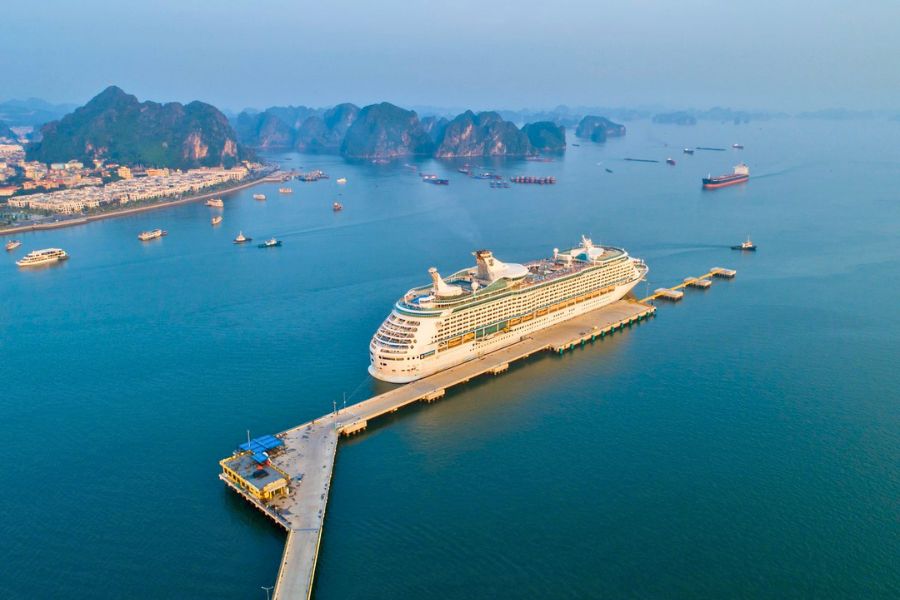
Nha Trang - The Beach Port of Vietnam
Nha Trang is Vietnam's beach capital and one of the more relaxed port stops on any Southeast Asia cruise. The city is walkable from the pier and its long white-sand beach is just minutes away. Beyond sunbathing, popular excursion options include a visit to Po Nagar Cham Towers (a Hindu temple complex dating to the 7th century), a boat trip to the surrounding islands and the Vinpearl cable car across the bay.
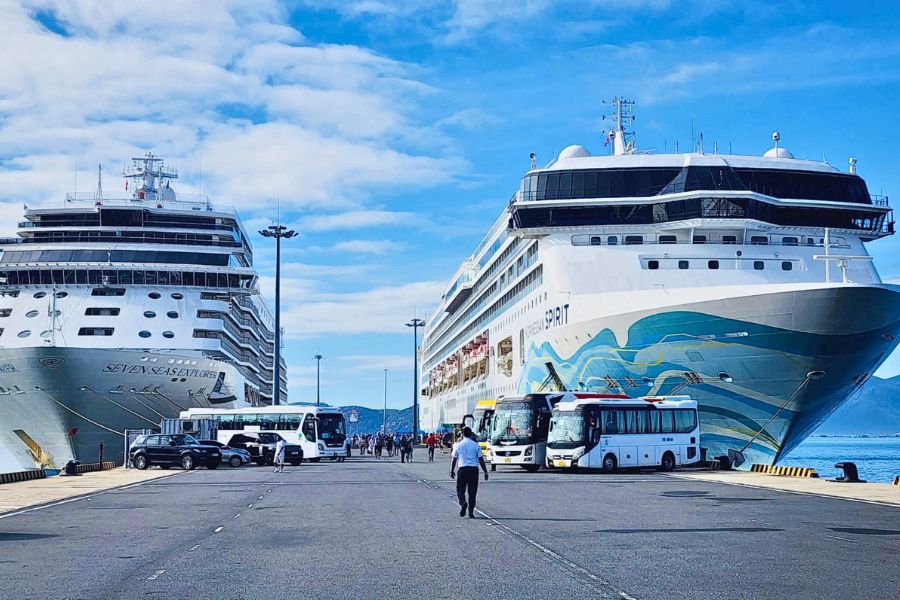
Chan May vs. Phu My - Which Port Offers More?
Both ports are excellent but suit different types of travelers. Chan May wins on variety. Three world-class destinations within reach, strong cultural credentials, and Hoi An's near-universal appeal make it a reliable crowd-pleaser. Phu My wins on energy and urban depth. Ho Chi Minh City is one of Southeast Asia's most dynamic cities, and the Cu Chi Tunnels excursion offers a historically significant experience you won't find anywhere else. If your itinerary includes both, consider a cultural focus at Chan May and a history or activity-driven day at Phu My.
What to Expect When Your Ship Docks in Vietnam
First-time cruisers in Vietnam often underestimate two things: the distance between port and destination, and how quickly the day goes. Knowing what's ahead before you step off the gangway makes a real difference.
How Long Do Cruise Ships Typically Stay in Vietnamese Ports?
Port stays in Vietnam generally run between 8 and 12 hours, with most ships arriving in the morning and departing in the late afternoon or early evening. Ha Long Bay itineraries sometimes include an overnight anchorage, which is a rare and genuinely special experience. For ports like Phu My where the main destination is nearly 2 hours away, an 8-hour port day leaves roughly 4 hours of actual time in Ho Chi Minh City. Tight, but very manageable with a well-organized excursion.
Getting from the Port to the City - Your Options Explained
At most Vietnamese cruise ports, passengers have three main options: booking through the cruise line, booking with an independent local shore excursion operator, or arranging their own transport. Cruise line tours are the most straightforward but tend to involve larger groups and higher prices. Independent operators typically offer smaller groups, more flexible itineraries and significantly better value. Self-arranging works well at walkable ports like Nha Trang but becomes risky at transfer-heavy ports like Phu My, where getting stuck in traffic without a guaranteed return vehicle is a real concern.
Types of Shore Excursions Available in Vietnam
Vietnam's ports cover a wide range of excursion styles. Whatever your group's interests, there's a well-suited option at every stop.
Cultural & Heritage Tours
Vietnam's history is layered, complex and deeply compelling. Cultural excursions might include the Imperial Citadel of Hue, the ancient trading port of Hoi An, the Cu Chi Tunnels near Ho Chi Minh City or the Cham temple complexes near Da Nang. These tours work best with a knowledgeable local guide who can give proper context. The history here is far richer than what a self-guided visit reveals.
Food & Street Market Experiences
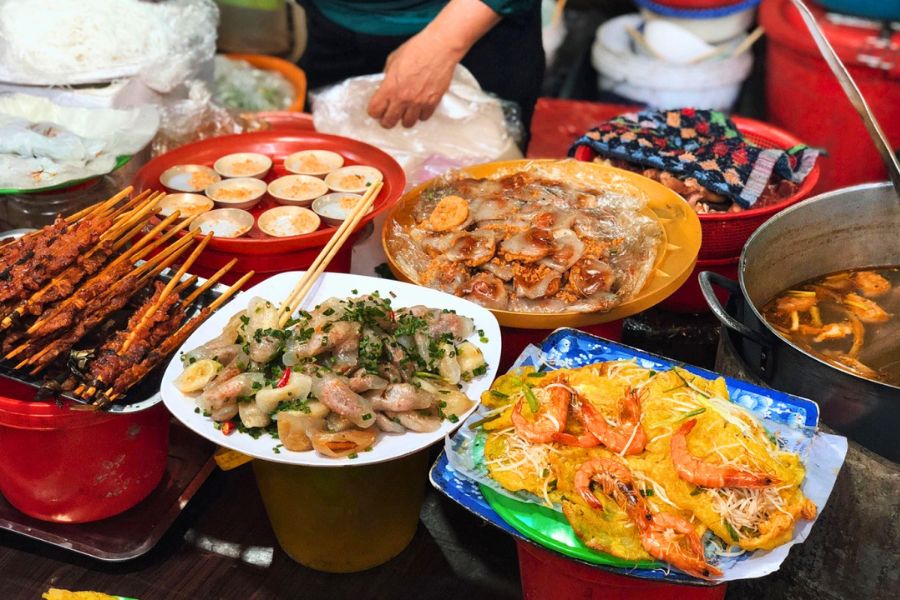
Vietnamese food is one of the country's greatest drawcards, and cruise passengers are increasingly choosing food-focused excursions over standard sightseeing. Options range from guided street food walks through Ben Thanh Market in Ho Chi Minh City to cooking classes in Hoi An where you shop at a local market and prepare a full Vietnamese meal. For anyone who's only encountered Vietnamese food back home, the real thing is a revelation.
Nature & Outdoor Activities
Ha Long Bay is the obvious headline, but Vietnam's other ports also offer strong nature options. Kayaking through limestone caves, cycling through rice paddies outside Hoi An, boat trips around Nha Trang's island clusters and hiking in the hills above Da Nang are all popular choices. These work particularly well for families and active travelers who want more than a bus tour.
Private vs. Group Shore Excursions - Which Suits You?
Group excursions (typically 10 to 20 passengers) are more affordable and logistically simple. Private excursions cost more but offer complete flexibility on timing, pace and itinerary stops. That flexibility is valuable when you're working within a tight port window. At ports like Phu My where transfer time eats into your day, a private excursion that moves on your schedule rather than the group's is often worth the extra investment.
Tips for Booking Vietnam Shore Excursions
Getting the logistics right before you sail makes the difference between a stressful port day and one of the trip highlights.
Book in Advance or Wait Until Arrival?
Book in advance. Vietnam's most popular excursions, particularly Hoi An tours from Chan May and Cu Chi Tunnels tours from Phu My, fill up quickly during peak Asia cruise season (October to April). Last-minute availability from operators on the dock is unreliable, and cruise line tours for popular routes sell out weeks before sailing. Booking 4 to 6 weeks ahead gives you the best selection and often better pricing.
What to Look for in a Reliable Shore Excursion Operator
Look for operators who offer a guaranteed ship return policy. This means they take responsibility for getting you back to the dock before departure, even if there are delays. Beyond that, check for verified reviews on independent platforms, clear pre-tour communication, English-speaking guides with proper credentials and transparent pricing with no hidden add-ons.
Operators who specialize in cruise passengers understand the time constraints involved and plan itineraries accordingly. Working with a dedicated Asia cruise specialist who covers multiple Vietnamese ports also simplifies logistics considerably when your itinerary includes more than one Vietnam stop. You can explore the full range of Vietnam shore excursions available across every major port to find the right fit before your ship departs.
Frequently Asked Questions About Cruising in Vietnam
Planning a shore excursion in a new country always comes with a few practical questions, especially when you're working around a ship's schedule. Here are the most common things cruise passengers ask before their first Vietnam port day.
Do I Need a Visa for a Shore Excursion in Vietnam?
In most cases, no. Cruise passengers on shore excursions are generally covered under a port exemption, meaning you can go ashore without a Vietnamese visa as long as you return to the ship before it departs. Exemption rules can vary by nationality and itinerary, so confirm with your cruise line before sailing and check current entry requirements for your passport.
Is It Safe to Explore Independently from the Port?
Vietnam is a safe destination for tourists by regional standards. Petty theft in busy markets exists as it does in any major city, but serious crime targeting tourists is rare. The bigger practical risk of going fully independent is logistical. Missing the ship due to traffic, unreliable transport or miscalculated distances from port is a real possibility at transfer-heavy ports. At Nha Trang where the beach is a 10-minute walk from the dock, independent exploration is easy. At Phu My or Chan May, a booked excursion with a guaranteed return is strongly recommended.
What Currency Should I Bring?
Vietnamese Dong (VND) is the local currency. US dollars are widely accepted at tourist-facing businesses in Ho Chi Minh City, Da Nang and Hoi An, but smaller vendors and local markets will prefer VND. ATMs are readily available in all major port cities. Credit cards are accepted at most restaurants and shops in tourist areas but less reliably at markets and street food stalls. Carrying a small amount of local cash alongside your card covers most situations comfortably.
