
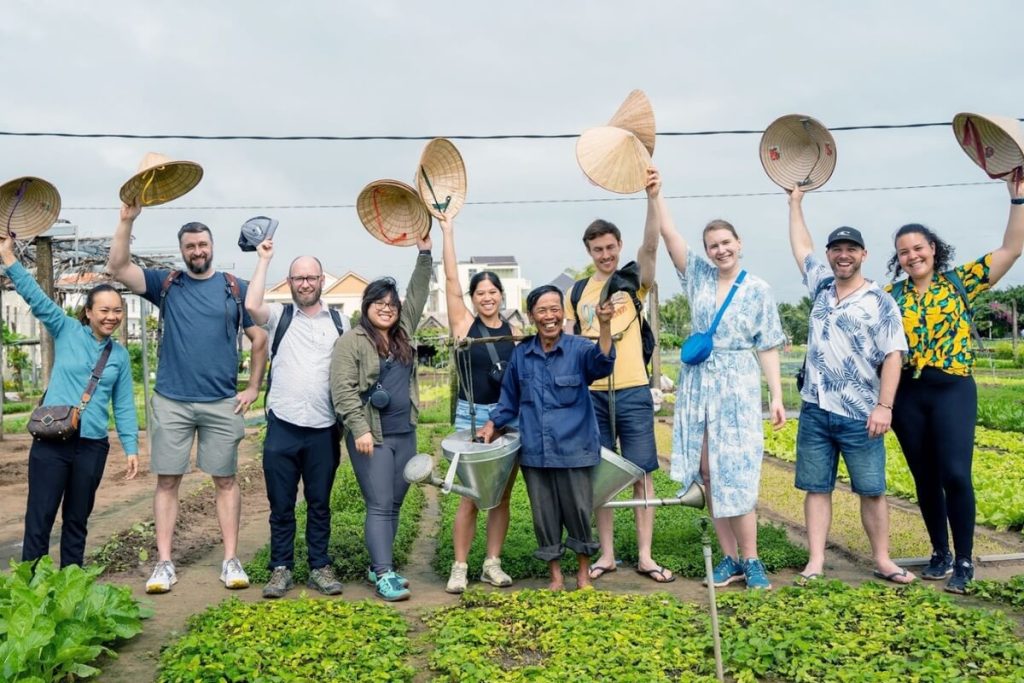
Just a few kilometers from the lantern-lit streets of Hoi An lies a peaceful farming community that offers travelers a glimpse into Vietnam’s traditional agricultural life. Tra Que Vegetable Village is one of the most charming destinations in central Vietnam, where lush green herb gardens stretch across fertile land, and local farmers continue centuries-old cultivation methods.
For visitors seeking authentic cultural experiences, Tra Que Village provides much more than scenic farmland. It is a place where travelers can interact with farmers, learn organic gardening techniques, join cooking classes, and discover the role that fresh herbs play in Vietnamese cuisine.
This comprehensive guide to Saigon Local Tour explores everything you need to know about visiting Tra Que Vegetable Village, including its history, farming traditions, cultural activities, and travel tips to make the most of your visit.
Where Is Tra Que Vegetable Village?
Tra Que Vegetable Village is located approximately 3 kilometers northeast of Hoi An Ancient Town in Quang Nam Province, central Vietnam. Nestled between the Tra Que Lagoon and the De Vong River, the village benefits from rich soil and a mild coastal climate that creates ideal conditions for herb cultivation.
The village sits conveniently between Hoi An Old Town and An Bang Beach, making it an easy stop for travelers exploring the region by bicycle or scooter. Many visitors combine a trip to Tra Que Village with a cycling tour through the surrounding countryside.

Despite its growing popularity, Tra Que Vegetable Village has managed to preserve its rural atmosphere. Narrow pathways wind through vegetable plots, farmers water crops using traditional methods, and the scent of fresh herbs fills the air.
This tranquil environment provides a refreshing contrast to the busy tourist areas of Hoi An.
The History of Tra Que Village
The history of Tra Que Vegetable Village dates back more than 300 years. According to local stories, the village was named after a fragrant herb that once grew abundantly in the area.
In Vietnamese, the words “Tra” and “Que” refer to aromatic plants similar to mint and basil. These herbs became so closely associated with the region that the settlement eventually adopted the name Tra Que Village.

Over the centuries, local farmers developed specialized cultivation techniques that allowed them to grow herbs with exceptional flavor. One of the unique traditions still practiced today involves fertilizing the fields with seaweed collected from nearby lagoons.
This natural fertilizer enriches the soil and enhances the aroma of herbs grown in Tra Que Vegetable Village, making them highly prized by restaurants in Hoi An. Many dishes in the region rely on the distinctive flavor of these herbs.
Today, Tra Que Village continues to thrive as both an agricultural community and a cultural destination, preserving farming traditions while welcoming visitors from around the world.
What Makes Tra Que Vegetable Village Different?
Unlike large-scale agricultural farms, Tra Que Vegetable Village focuses on small-scale organic cultivation. Farmers here grow more than 20 types of vegetables and herbs without chemical fertilizers or pesticides.
Some of the most common crops include:
- Vietnamese coriander
- Perilla
- Fish mint
- Lettuce
- Basil
- Spring onions
- Mustard greens
What truly distinguishes Tra Que Village is the traditional farming process. Farmers prepare the soil carefully, water plants manually using shoulder yokes, and harvest vegetables daily to ensure maximum freshness.

Walking through Tra Que Vegetable Village, visitors often notice the vibrant shades of green that stretch across the fields. The combination of organic farming techniques, nutrient-rich soil, and favorable climate creates herbs with intense fragrance and flavor.
This dedication to quality has made Tra Que Village one of the most important suppliers of fresh herbs to restaurants throughout Hoi An.
Best 10+ Things to Do in Tra Que Vegetable Village
Visiting Tra Que Vegetable Village offers a unique opportunity to experience rural life in Vietnam. The activities here are immersive and interactive, allowing travelers to connect with local culture in meaningful ways.
Join a Farming Experience
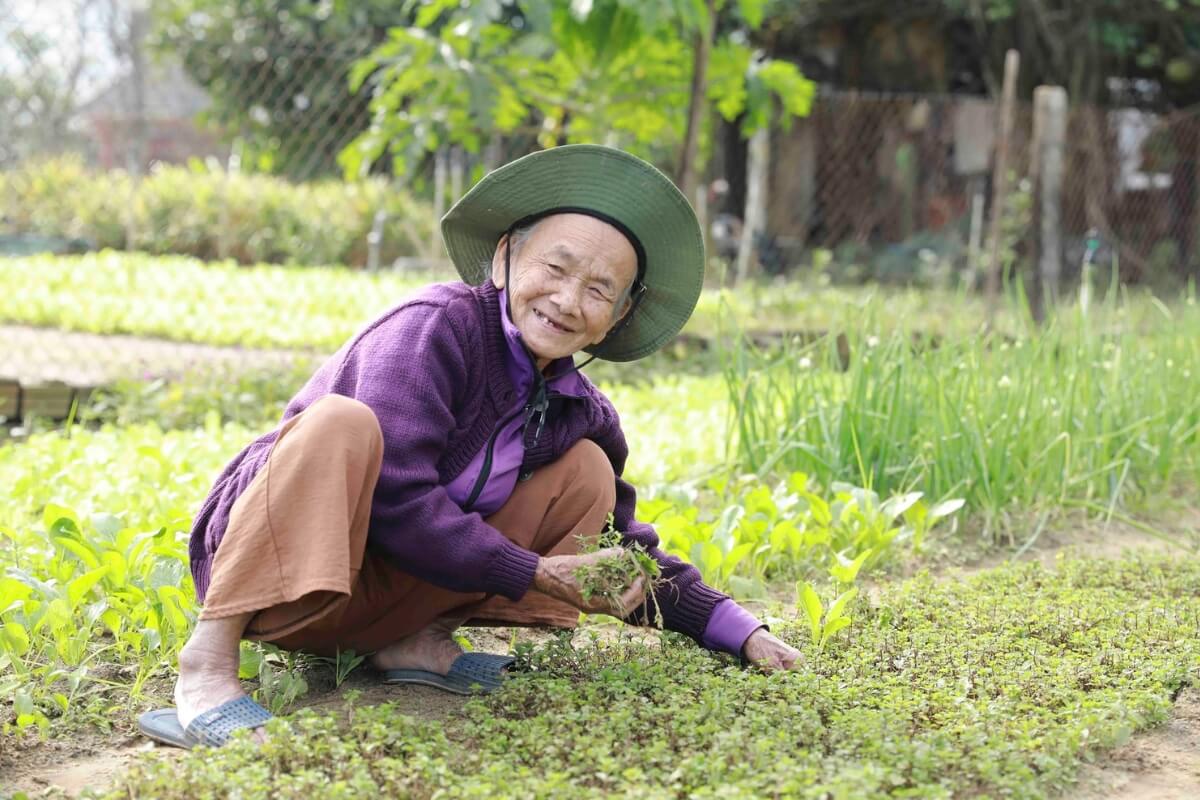
One of the most popular activities in Tra Que Village is participating in a traditional farming experience. Visitors are invited to wear farmer clothing and learn basic cultivation techniques directly from local farmers.

You might prepare the soil, plant herbs, or water crops using the traditional shoulder pole method. Although the tasks are simple, they provide insight into the daily routines of farmers who have worked this land for generations.
For many travelers, working alongside farmers in Tra Que Vegetable Village becomes a memorable highlight of their trip to Hoi An.
Take a Vietnamese Cooking Class
Another must-do activity in Tra Que Village is joining a cooking class. These classes often begin with a walk through the vegetable gardens, where participants harvest fresh herbs and learn about their culinary uses.
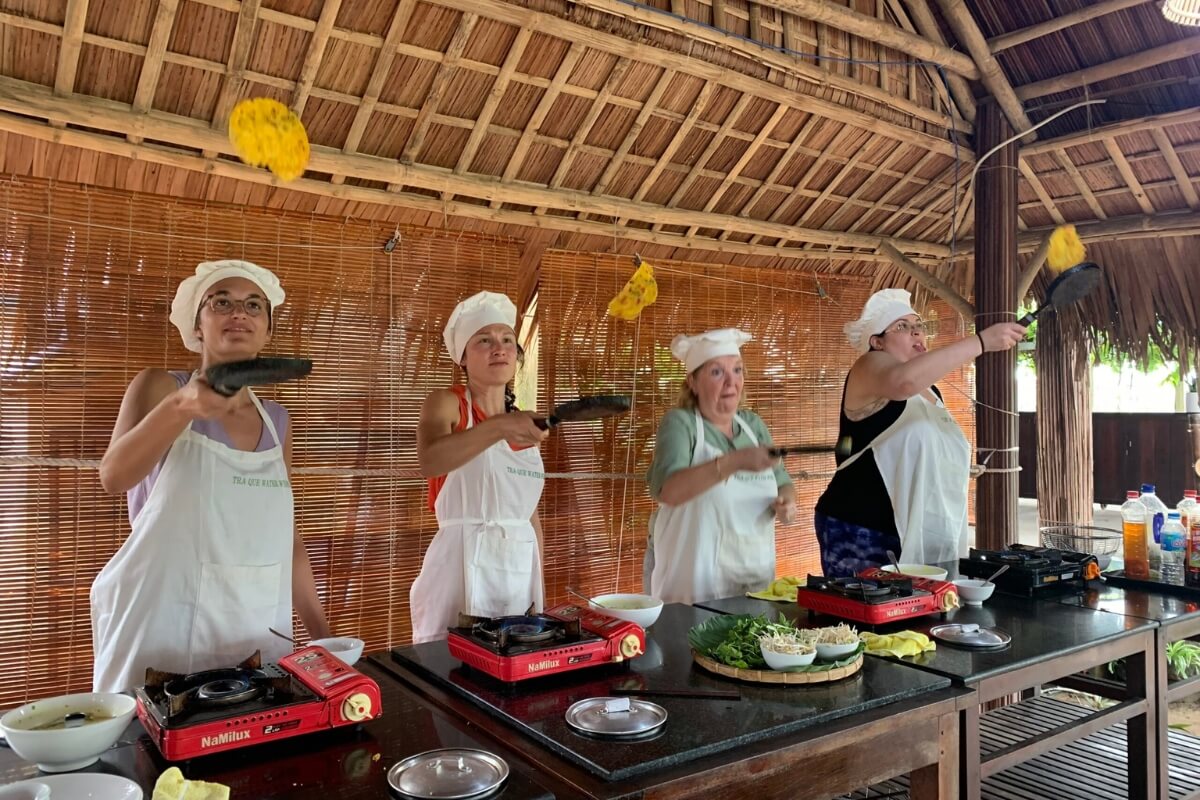
After collecting ingredients, visitors move to a local kitchen to prepare traditional Vietnamese dishes such as:
- Hoi An spring rolls
- Banh xeo (Vietnamese sizzling pancakes)
- Fresh herb salads
- Rice paper rolls
Cooking classes in Tra Que Vegetable Village emphasize the importance of herbs in Vietnamese cuisine. The freshly picked ingredients give dishes a vibrant aroma that is difficult to replicate elsewhere.
Enjoy a Herbal Foot Bath
After exploring the fields, many visitors relax with a traditional herbal foot bath, a unique wellness experience offered in Tra Que Vegetable Village.

This treatment uses a mixture of medicinal herbs grown locally in the gardens. Warm water infused with lemongrass, basil, and other plants helps soothe tired muscles after cycling or walking through the countryside.
The herbal foot bath reflects the village’s connection to natural remedies and holistic wellness practices.
Cycle Through the Countryside
Cycling is one of the best ways to explore Tra Que Village and the surrounding rural landscape.

The roads are flat and quiet, making them ideal for leisurely rides. As you cycle through Tra Que Vegetable Village, you will pass vegetable fields, small canals, rice paddies, and traditional homes.
Many travelers choose to cycle from Hoi An Old Town to Tra Que Village, a journey that takes around 15 minutes and offers beautiful views along the way.
What to Eat in Tra Que Vegetable Village
Food lovers will find plenty to enjoy in Tra Que Vegetable Village, where fresh herbs transform simple dishes into flavorful culinary experiences.
One of the most famous specialties associated with Tra Que Village is Tam Huu, also known as “Three Friends.” This dish combines shrimp, pork, and fresh herbs wrapped together with rice paper and tied with a chive stem.
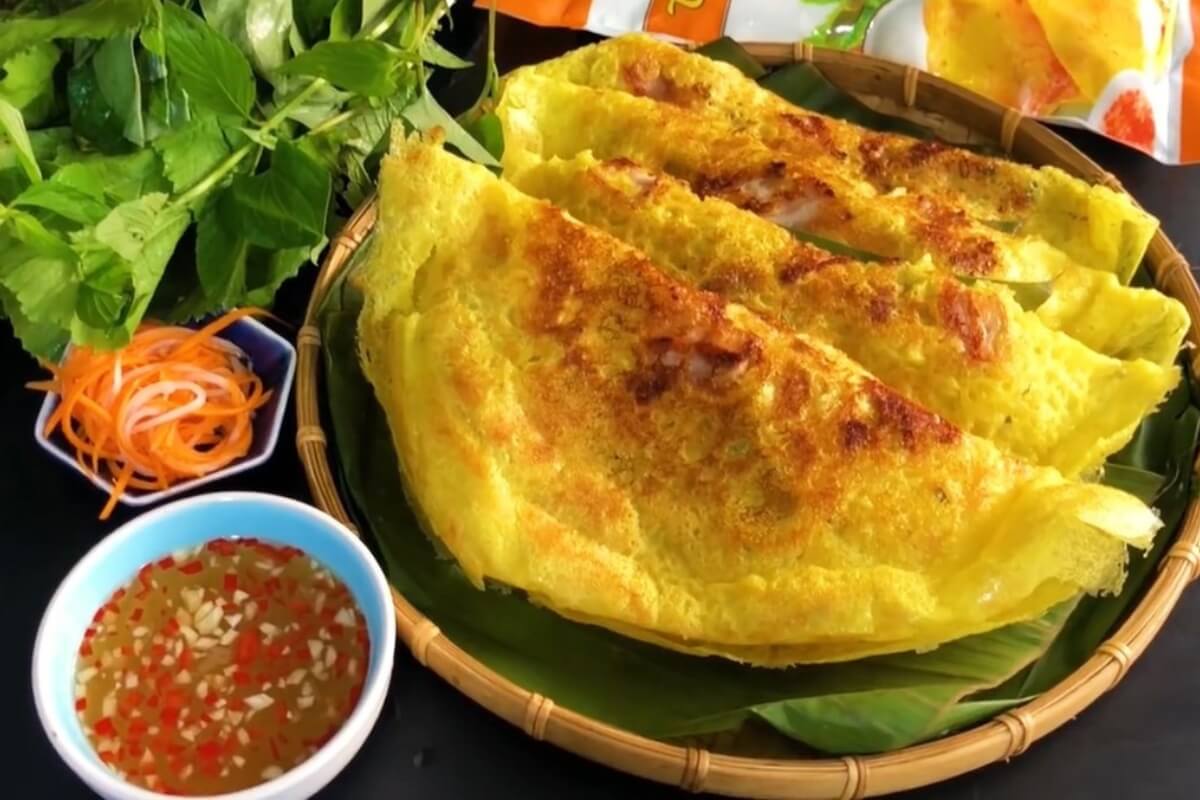
Another popular dish is Banh Xeo, a crispy Vietnamese pancake filled with shrimp, pork, bean sprouts, and herbs from Tra Que Vegetable Village. The dish is typically served with lettuce leaves and aromatic herbs for wrapping.
Visitors may also enjoy herbal salads, grilled meats served with fresh greens, and vegetable stir-fries prepared using ingredients harvested directly from the fields.
Because herbs are picked daily, meals in Tra Que Village often taste fresher and more fragrant than dishes found in urban restaurants.
Best Time to Visit Tra Que Vegetable Village
Tra Que Vegetable Village can be visited throughout the year, but certain seasons provide especially pleasant weather for outdoor activities.
The best months to explore Tra Que Village are typically from February to August, when the skies are clearer and rainfall is minimal. During this period, the gardens are lush and vibrant, offering excellent opportunities for photography.

Early morning is often the most atmospheric time to visit Tra Que Vegetable Village. Farmers begin their work at sunrise, watering crops and harvesting vegetables for the day’s markets.
Visiting in the morning also allows travelers to avoid the midday heat.
How to Get to Tra Que Village
Reaching Tra Que Vegetable Village is relatively easy from Hoi An.

The most popular options include:
Bicycle:
Cycling from Hoi An Old Town to Tra Que Village takes about 15 minutes and passes through scenic countryside roads.
Motorbike:
Renting a motorbike offers flexibility and allows visitors to combine Tra Que Vegetable Village with nearby beaches.
Taxi or Grab:
Taxis and ride-hailing services are convenient options for travelers who prefer not to cycle.
Guided Tour:
Many visitors choose guided tours that include cycling, farming activities, and cooking classes in Tra Que Village.
Nearby Attractions Around Tra Que Vegetable Village
Because of its location, Tra Que Vegetable Village can easily be combined with several nearby attractions.
An Bang Beach
Just a few minutes away, An Bang Beach offers soft sand, clear water, and relaxing seaside cafes. After exploring Tra Que Village, many travelers continue to the beach for lunch or sunset.
Hoi An Ancient Town
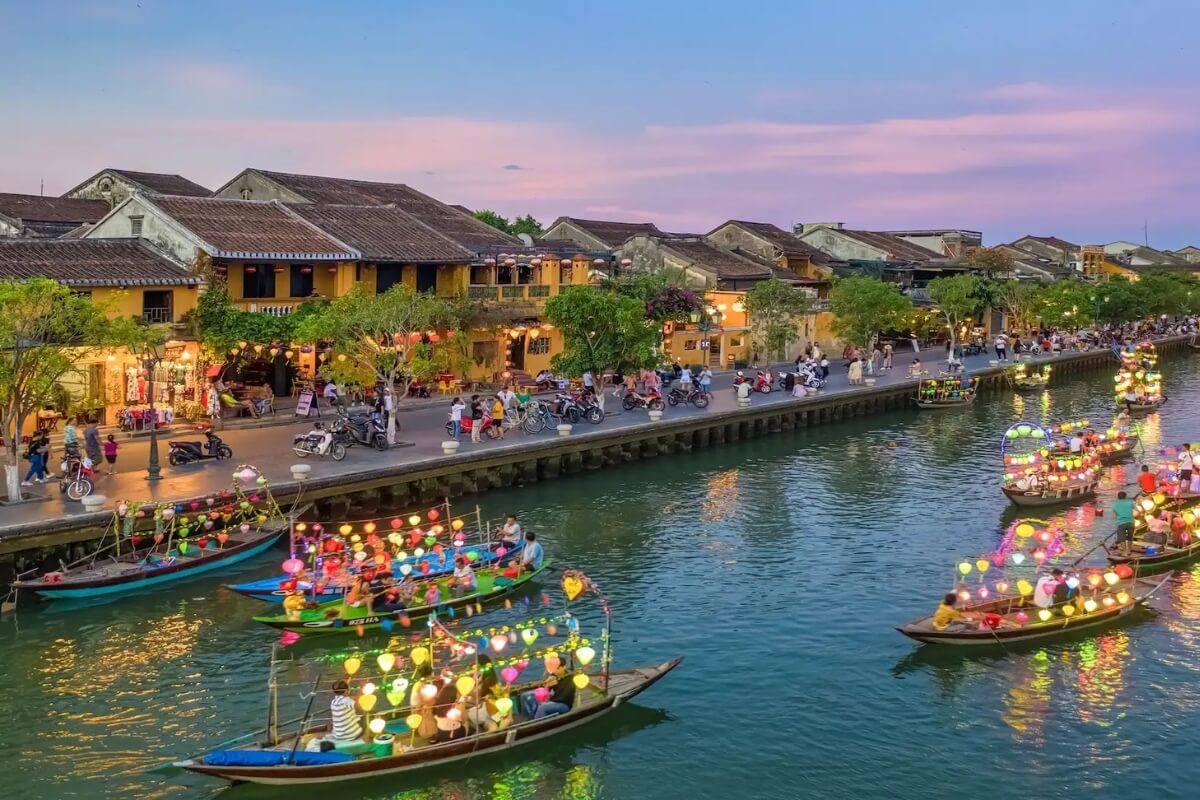
A UNESCO World Heritage Site, Hoi An Ancient Town is famous for its historic architecture, lantern-lit streets, and vibrant markets. Visiting Tra Que Vegetable Village provides an interesting contrast to the urban charm of Hoi An.
Cam Thanh Coconut Village
Located south of Hoi An, Cam Thanh Coconut Village is known for its water coconut forests and basket boat experiences. Many tours combine this destination with Tra Que Village.
Travel Tips for Visiting Tra Que Vegetable Village
When planning a trip to Tra Que Vegetable Village, a few simple tips can enhance your experience.
Wear comfortable clothing suitable for outdoor activities, especially if you plan to participate in farming experiences. Lightweight fabrics and sun protection are recommended.

Bring a camera, as the vegetable gardens provide beautiful photo opportunities, particularly during the early morning or late afternoon.
If you are interested in cooking classes or farming activities, it is best to book in advance through reputable tour operators in Hoi An.
Finally, respect the local environment and farming areas by following instructions from guides and farmers.
Frequently Asked Questions About Tra Que Vegetable Village
What is Tra Que Vegetable Village famous for?
Tra Que Vegetable Village is famous for its organic herbs and traditional farming methods. Located near Hoi An, the village grows more than 20 types of vegetables and aromatic herbs that are widely used in local Vietnamese dishes. The herbs are cultivated using natural seaweed fertilizer, which enhances their fragrance and flavor.
Is Tra Que Vegetable Village worth visiting?
Yes, Tra Que Vegetable Village is definitely worth visiting, especially for travelers interested in authentic cultural experiences. Visitors can explore organic gardens, interact with local farmers, participate in farming activities, and join Vietnamese cooking classes using freshly harvested herbs.
What can I do in Tra Que Vegetable Village?
Visitors to Tra Que Vegetable Village can experience traditional farming, plant herbs, water crops using bamboo shoulder poles, join Vietnamese cooking classes, enjoy herbal foot baths, and cycle through the surrounding countryside. These activities provide a hands-on look at rural life in Vietnam.
What vegetables are grown in Tra Que Village?
Farmers in Tra Que Vegetable Village grow more than 20 types of vegetables and herbs, including basil, Vietnamese coriander, perilla, lettuce, mustard greens, spring onions, and fish mint. These herbs are harvested daily and supplied to many restaurants in Hoi An.
How long should I spend at Tra Que Vegetable Village?
Most travelers spend 2 to 4 hours exploring Tra Que Vegetable Village. This allows enough time to walk through the gardens, participate in farming activities, enjoy a cooking class, and relax with a traditional herbal foot bath.
Why are Tra Que herbs so special?
Herbs grown in Tra Que Vegetable Village are known for their strong aroma and fresh taste. Farmers use seaweed from nearby lagoons as natural fertilizer, which enriches the soil and enhances the flavor of the vegetables. This traditional farming method has been practiced for centuries.
Is Tra Que Vegetable Village suitable for families?
Yes, Tra Que Vegetable Village is a family-friendly destination. Children and adults alike enjoy the interactive farming activities, cooking classes, and cycling through the countryside. It’s a relaxing and educational experience for travelers of all ages.
For travelers seeking authentic cultural experiences in Vietnam, Tra Que Vegetable Village offers a refreshing escape into rural life.
The village combines organic agriculture, culinary traditions, and warm local hospitality, creating an experience that goes far beyond sightseeing.
Whether you cycle through the countryside, harvest herbs alongside farmers, or learn to cook traditional dishes, Tra Que Village provides a deeper understanding of Vietnamese culture and daily life. Visit our official website: https://www.saigonlocaltour.com/ to get suggestions from our travel expert!
