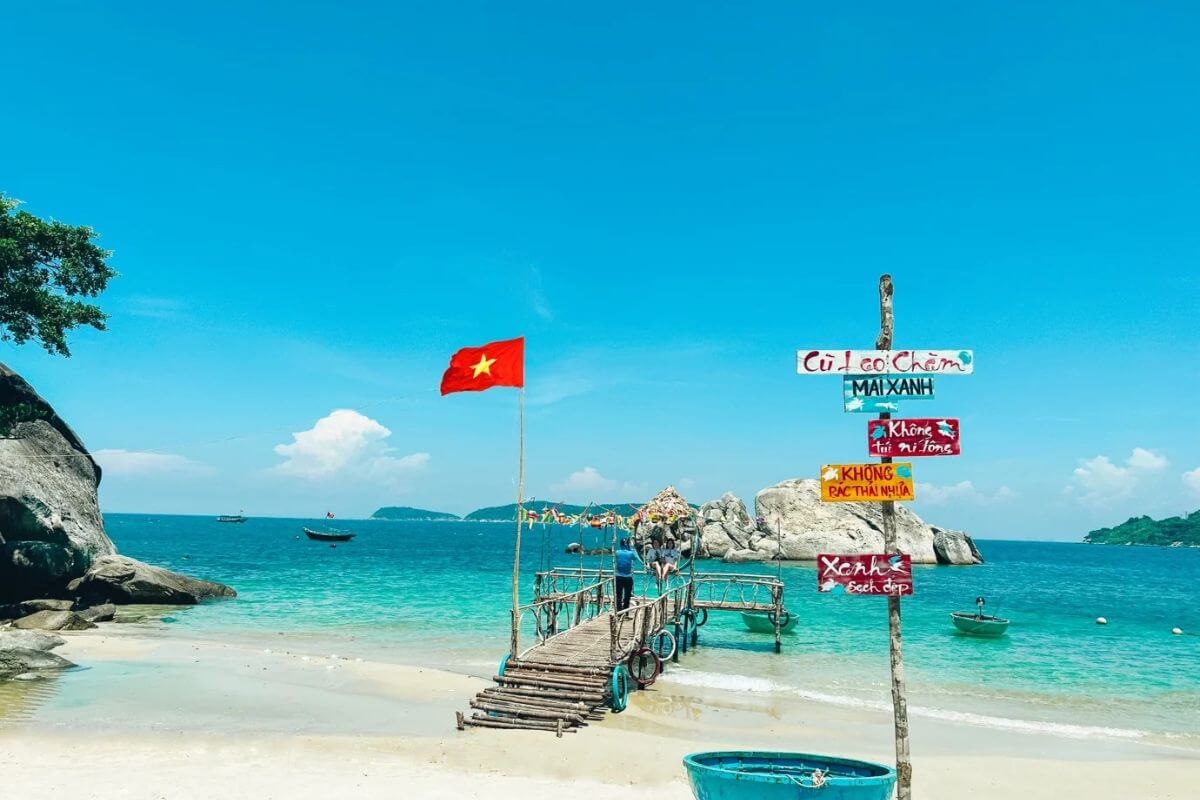
Cham Island Vietnam, known locally as Cu Lao Cham, is one such destination. Located off the coast of Hoi An in central Vietnam, this small archipelago combines clear coastal waters, sandy beaches, green hills and traditional fishing communities. It offers a refreshing contrast to the lantern-lit streets of Hoi An and the lively urban atmosphere of nearby Da Nang.
The islands are particularly appealing to travellers who enjoy snorkelling, swimming, fresh seafood and opportunities to discover local life away from busy tourist centres. Their protected marine environment also makes Cu Lao Cham an interesting destination for visitors who want to understand the relationship between tourism, coastal communities and conservation.
Whether you are planning a short excursion from Hoi An or building a longer journey through central Vietnam, this guide explains where Cham Island is, what to see and do, when to visit, how to get there and how to plan a comfortable trip.
Where Is Cham Island Vietnam?
Cham Island is an archipelago in the East Sea, approximately 15 kilometres off the coast of Hoi An, in central Vietnam. The group consists of eight islands, with Hon Lao being the largest and the main inhabited island.
Although the islands are commonly referred to collectively as Cham Islands, most visitors arrive on Hon Lao, where the main village areas, beaches and visitor facilities are located.
The archipelago forms part of the Cu Lao Cham–Hoi An Biosphere Reserve, recognised by UNESCO in 2009. The wider reserve brings together the cultural landscape of Hoi An and the natural environments of the surrounding islands and marine areas.
This combination makes Cu Lao Cham more than a beach destination. Its appeal comes from the connection between the sea, forested hills, local livelihoods and the history of coastal settlement.
For international visitors, the location is especially convenient. Hoi An is an established base for exploring central Vietnam, and the journey to Cham Island can usually be arranged as a day trip. Travellers staying in Da Nang can also reach the departure point by road before continuing by boat.
However, the islands are not connected to the mainland by a bridge. Access depends on boat services, and departures can be affected by wind, waves and other weather conditions. Checking the latest operating arrangements is therefore an important part of planning your visit.
Why Should Visit Cu Lao Cham?
A Natural Escape from Hoi An and Da Nang
One of the main reasons to visit Cham Island is the change of pace. Hoi An offers historic architecture, cafés, markets and a lively evening atmosphere, while Da Nang combines urban conveniences with long city beaches. Cu Lao Cham introduces a different environment, where the coastline and surrounding marine landscape become the main attractions.
The island experience is less about moving from one landmark to another and more about enjoying the setting. You can spend time by the water, explore a traditional village, try local seafood or simply take a break from a packed travel itinerary.
For couples, families and independent travellers, this slower rhythm can be a welcome addition to a broader Vietnam holiday.
A Protected Marine Environment
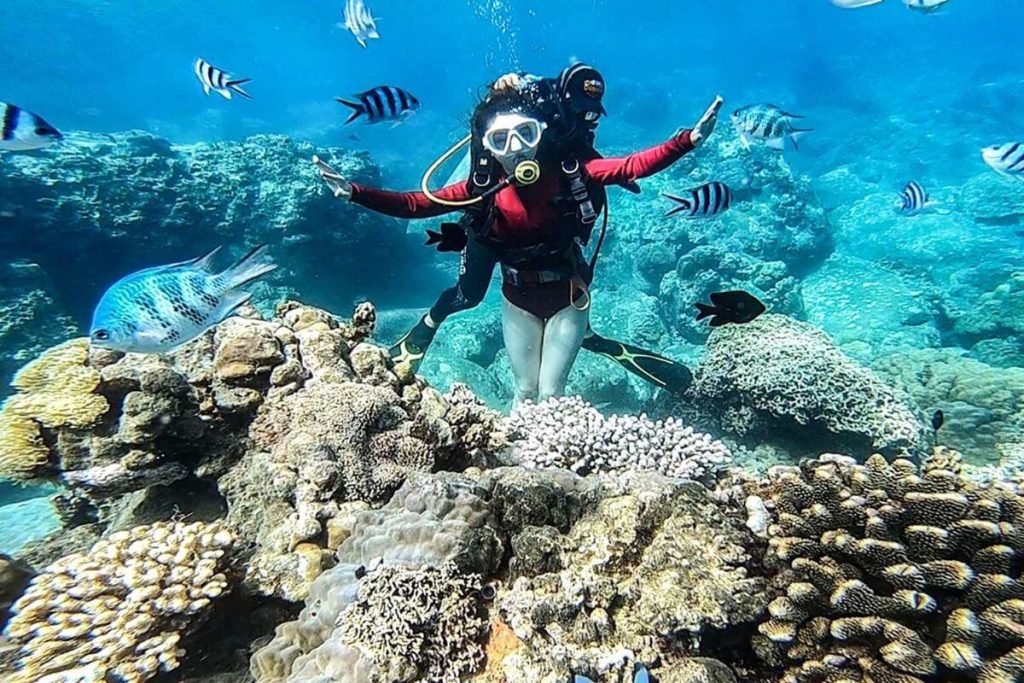
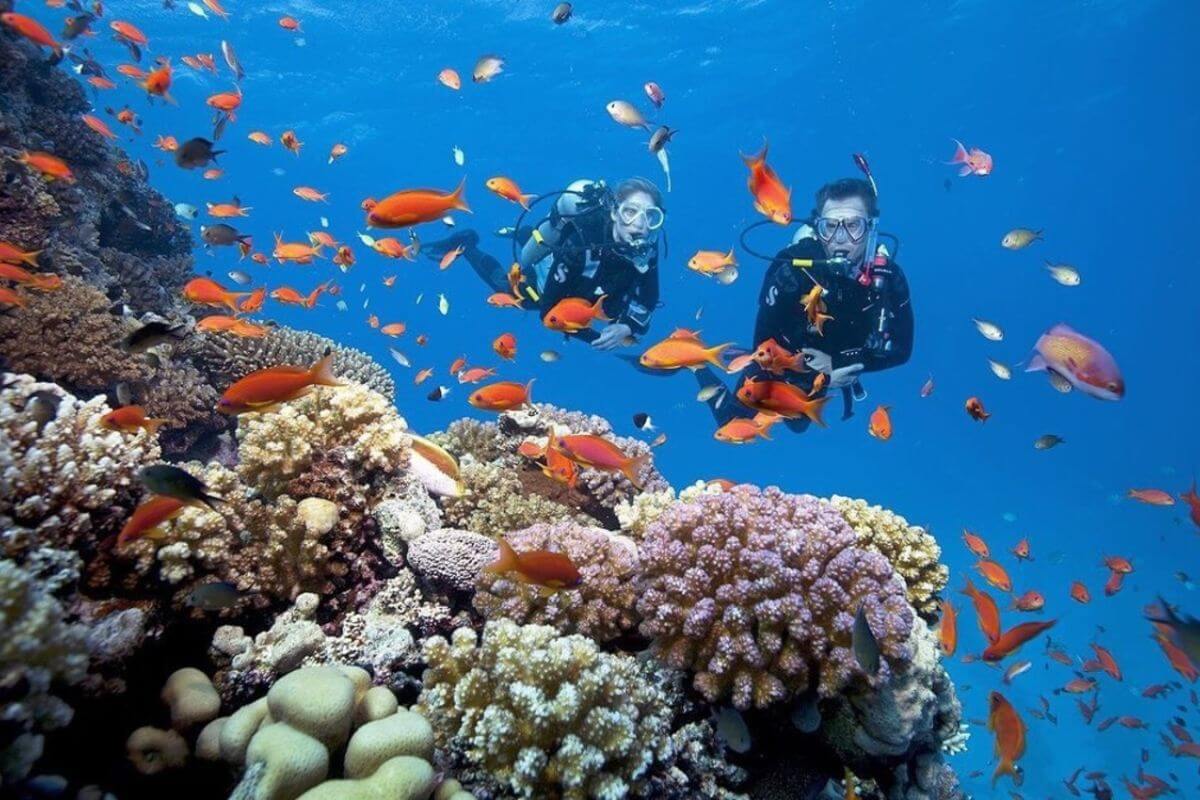
The waters around Cham Island support diverse marine habitats, including coral reefs and a variety of marine species. These ecosystems are an important reason the archipelago is valued as a nature-based destination.
For visitors, this creates opportunities to observe the underwater environment through snorkelling or, where suitable services are available, scuba diving.
Marine conditions are not identical every day. Visibility, currents and the range of marine life that can be seen depend on the weather, season and location. A responsible visit should therefore focus on safe observation rather than expecting guaranteed sightings.
A Chance to Experience Local Island Life
Cu Lao Cham is also home to established fishing communities. In the main village areas, everyday life remains closely connected to the sea, from fishing activities to the preparation and sale of seafood.
Walking through a village offers a different perspective from spending the entire day at a beach. You may see fishing boats, small local shops, family-run eateries and residents going about their daily routines.
Visitors should approach these communities respectfully. Ask permission before photographing people at close range, avoid entering private spaces and remember that the island is a home as well as a tourist destination.
A More Thoughtful Approach to Coastal Travel
Cham Island is known for local efforts to reduce plastic waste and protect its natural environment. These initiatives are particularly relevant in a destination where marine ecosystems are central to tourism and local livelihoods.
Visitors can contribute by avoiding unnecessary single-use plastics, bringing reusable water bottles where practical and taking rubbish to designated disposal points.
Choosing responsible operators and following instructions around coral reefs can also help reduce the impact of tourism. Small actions matter when many people share the same beaches and marine habitats.
Best Things to Do on Cham Island Vietnam
The best activities on Cham Island combine time in the water with opportunities to explore the island's landscapes and cultural heritage. You do not need to fit everything into one visit; choosing a few experiences that suit your interests can make the day more enjoyable.
1. Go Snorkelling in the Clear Coastal Waters
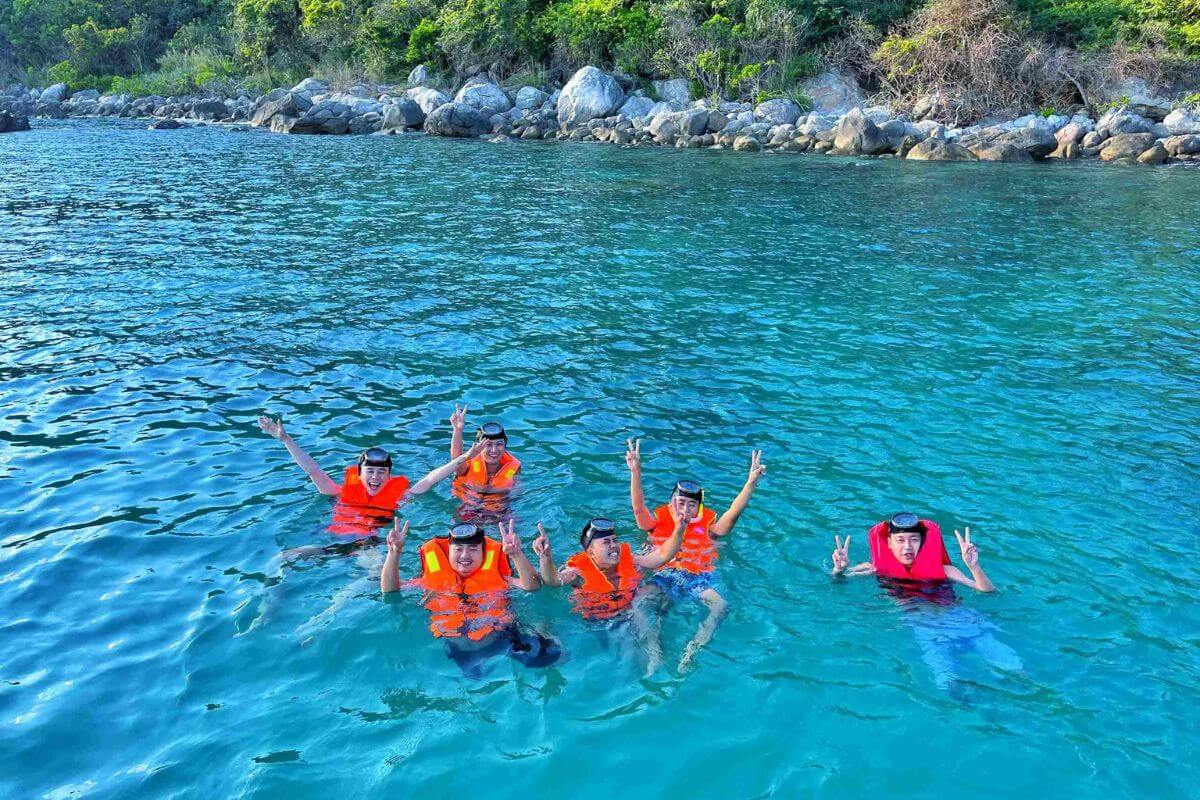
Snorkelling is one of the most popular reasons travellers book a Cham Island tour.
The surrounding waters contain coral habitats and tropical marine life, offering the chance to observe fish and underwater scenery from the surface. For visitors who are not experienced divers, snorkelling can be an accessible way to discover the marine environment.
Most organised day trips include a boat journey to a designated snorkelling area, along with basic equipment and instructions. The exact locations depend on the operator and current sea conditions.
You do not need to be an expert swimmer to consider snorkelling, but you should be comfortable with the conditions of the activity and follow the guide's instructions. If you are not confident in the water, ask about flotation equipment and supervised options before booking.
Good practice is essential. Avoid touching or standing on coral, do not collect shells or marine animals, and never feed fish unless an authorised programme specifically permits it. Coral is fragile, and careless contact can cause lasting damage.
For the best experience, keep your schedule flexible. If visibility is poor or the sea is unsuitable, a responsible operator may change the route or postpone the activity.
2. Relax on Bai Chong and Other Island Beaches
A trip to Cham Island would feel incomplete without spending time beside the sea.
Bai Chong is one of the beaches commonly visited by day-trip groups. Depending on the season and current conditions, visitors may enjoy swimming, relaxing on the sand or taking photographs of the coastline.
Other beaches and coves offer different settings, but access and available facilities vary. Before choosing a beach, check how you will get there and whether food, shade, changing facilities or other services are available.
If you prefer a more relaxed experience, avoid trying to visit too many locations in a single day. Allow enough time to enjoy the beach rather than treating it as a brief photo stop between activities.
Swimming conditions can change, even when the weather looks pleasant from shore. Follow local safety advice, observe any warning signs and stay within designated swimming areas.
3. Explore Bai Lang Fishing Village
Bai Lang is one of the main village areas on Hon Lao and an important stop for visitors interested in local culture.
The village provides a glimpse into the daily life of the island community. You can walk through its streets, observe fishing-related activities and discover small businesses serving residents and travellers.
Rather than expecting a large commercial centre, look for the details that make the village distinctive: boats near the waterfront, traditional houses, local food stalls and the routines of a community shaped by the sea.
A guided visit can add context to what you see, particularly if you want to learn about local livelihoods and the challenges of balancing tourism with environmental protection.
Dress respectfully when visiting religious or community spaces, ask before taking close-up photographs and avoid disrupting working areas.
4. Visit Hai Tang Pagoda
Hai Tang Pagoda is one of the island's notable cultural and spiritual sites. Surrounded by a landscape of green hills, it provides a quieter contrast to the beaches and marine activities.
For travellers interested in Vietnamese religious traditions, the pagoda offers an opportunity to appreciate the role of Buddhism in local community life.
The visit is best approached as a cultural experience rather than simply another sightseeing stop. Keep your voice low, dress appropriately and follow any instructions displayed at the site.
If you are travelling with a guide, ask about the pagoda's history and its relationship with the island's fishing communities. Understanding the local context can make a short visit more meaningful.
5. Discover the Ancient Cham Well
The ancient Cham well is another point of interest for visitors who want to explore the island beyond its beaches.
Traditional wells are important reminders of how communities adapted to living on islands where freshwater access could be a practical concern. The site is also associated with local stories and historical traditions.
The well is often included in cultural sightseeing around the main village area. Its appeal lies less in its size than in what it represents: the everyday infrastructure and accumulated knowledge that helped communities live and work in a coastal environment.
As with other heritage sites, respect the surrounding area and follow local guidance.
6. Try Fresh Seafood and Local Island Dishes
Food is an essential part of the Cham Island experience. The island's coastal setting makes seafood a natural feature of local meals, with dishes varying according to the catch, season and restaurant.
Depending on availability, visitors may find grilled fish, squid, prawns, shellfish and other freshly prepared seafood. Local menus can also include rice, vegetables, soups and simple home-style dishes.
Rather than assuming that every restaurant serves the same selection, ask what is fresh that day. This is often the best way to discover local specialities.
If you have food allergies or dietary restrictions, communicate them clearly before ordering. Visitors who do not eat seafood should also check meal arrangements in advance, especially when booking an organised day trip that includes lunch.
For travellers who enjoy learning about local food, a meal on Cham Island provides a useful contrast to the restaurants and cafés of Hoi An's Old Town.
7. Try Scuba Diving or Other Marine Experiences
Travellers who want to explore beyond the surface may be interested in scuba diving or other guided marine activities.
Availability depends on local operators, sea conditions and the experience level required. Some programmes are designed for certified divers, while introductory experiences may be available for beginners under professional supervision.
Before booking, ask what is included, whether equipment is provided, what qualifications are required and how the operator handles weather-related cancellations.
Never participate in a marine activity that exceeds your ability or ignores safety procedures. If you have concerns about swimming, health or comfort in the water, discuss them with the provider before making a reservation.
The aim should be to enjoy the underwater environment safely and responsibly, not to complete as many activities as possible.
8. Enjoy the Island's Coastal Scenery
Not every memorable moment on Cham Island needs to involve a scheduled activity.
The combination of green hills, coastal roads, fishing boats and open sea provides plenty of opportunities to slow down and appreciate the landscape. A walk near the waterfront or a quiet break after lunch can become one of the most enjoyable parts of the day.
Photography enthusiasts may want to allow extra time for changing light and weather. However, it is worth remembering that the island is a living environment, not just a backdrop for photographs.
Stay on appropriate paths, avoid disturbing wildlife and be mindful of residents when exploring village areas.
Best Time to Visit Cham Island Vietnam
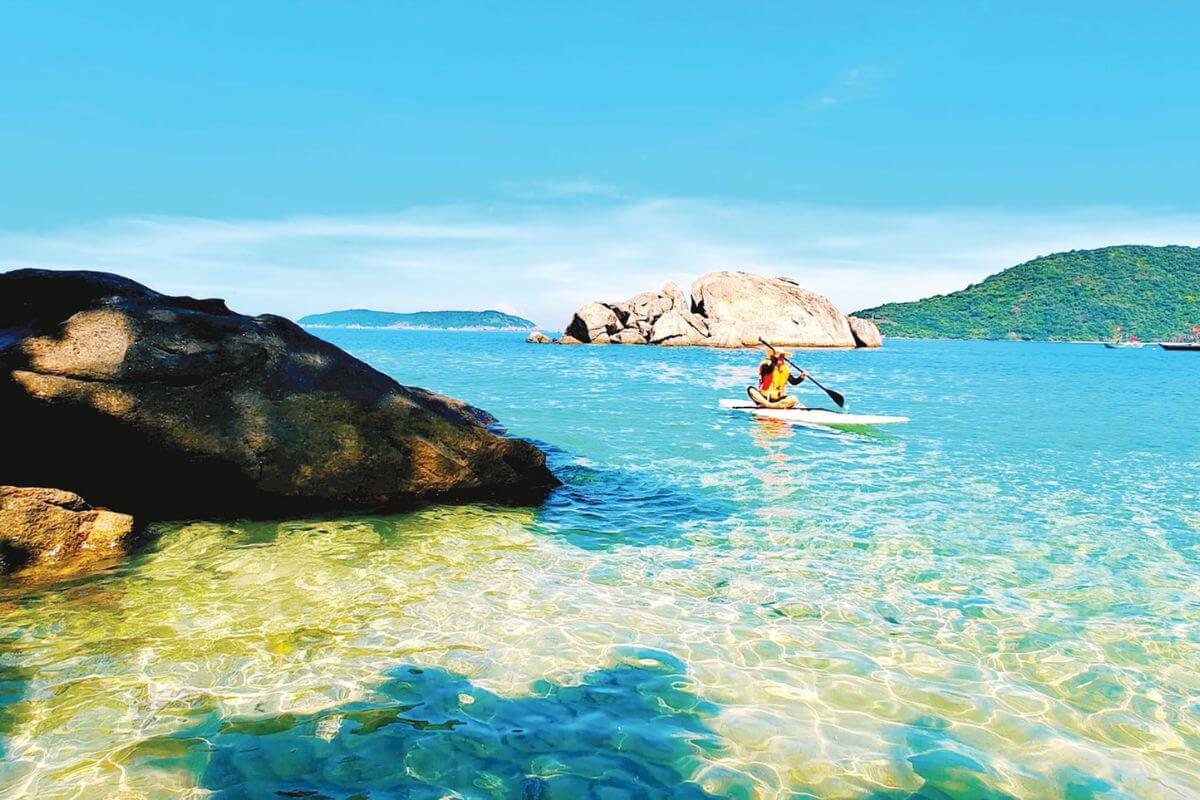
The most suitable time to visit Cham Island is generally during the period when the sea is calmer and boat services operate more reliably. For many travellers, the main planning window is from around March to September, although actual conditions vary from year to year.
March to May: A Good Time for Outdoor Activities
These months can be a good choice for travellers who want to combine island sightseeing, beach time and snorkelling.
Conditions are often more favourable than during the rougher part of the year, but the weather is not guaranteed to be calm every day. Check forecasts and confirm boat departures before travelling.
This period may also appeal to visitors who prefer to explore before the busiest summer travel weeks.
June to August: Summer Island Trips
Summer is a popular time for coastal holidays in central Vietnam. Warm weather and suitable sea conditions can make this period attractive for swimming and marine activities.
However, demand for transport and accommodation may increase during school holidays and other busy travel periods. If you have a fixed schedule or prefer a particular tour arrangement, booking in advance is sensible.
High temperatures can also make walking around exposed areas tiring. Carry drinking water, use sun protection and take breaks between activities.
September to February: Check Conditions Carefully
The later months of the year can bring more unsettled weather to central Vietnam, including periods of heavy rain, strong winds and rough seas.
Boat services may be delayed or cancelled when conditions are unsuitable. This means a trip to Cham Island is less predictable during the rougher season, even if the weather on the mainland appears acceptable.
If you are travelling during this period, confirm operating arrangements close to your departure date and keep an alternative plan for the day.
Important: No month guarantees that every boat will operate or that snorkelling conditions will be ideal. The current forecast and the operator's safety decision should take priority over a general seasonal guide.
How to Get to Cham Island from Hoi An and Da Nang
Most visitors reach Cham Island by travelling to Cua Dai Port near Hoi An and continuing by boat to the islands.
From Hoi An to Cua Dai Port
Cua Dai Port is the usual departure point for organised Cham Island excursions. Travellers staying in Hoi An can arrange a transfer by car, taxi or a tour service, depending on their accommodation and booking.
The journey from central Hoi An is relatively short, but you should allow enough time to reach the port, check in and follow the operator's departure instructions.
If you have booked a group tour, confirm the pickup time and location in advance. Missing the boat may affect the rest of the itinerary, particularly when return transfers and lunch arrangements are included.
From Da Nang to Cham Island
Travellers staying in Da Nang generally need to travel by road to the Cua Dai departure area before boarding a boat.
The overall journey is longer than starting from Hoi An, so it is worth comparing a tour with pickup service against arranging separate transport. A coordinated transfer can be especially convenient for families, couples or visitors unfamiliar with the area.
If you are planning to return to Da Nang on the same day, confirm the timing of both the boat crossing and the road transfer before booking flights, trains or other onward travel.
Speedboat or Traditional Boat?
Speedboats are a common option for visitors on organised day trips because they reduce the time spent travelling between the mainland and the islands.
Traditional passenger boats may take longer and operate under different schedules. The most suitable option depends on current services, your budget, comfort preferences and the time you want to spend on the island.
Do not assume that every transport option operates every day. Departure times, journey duration and availability can change with the season and sea conditions.
Cham Island Day Trip: What to Expect
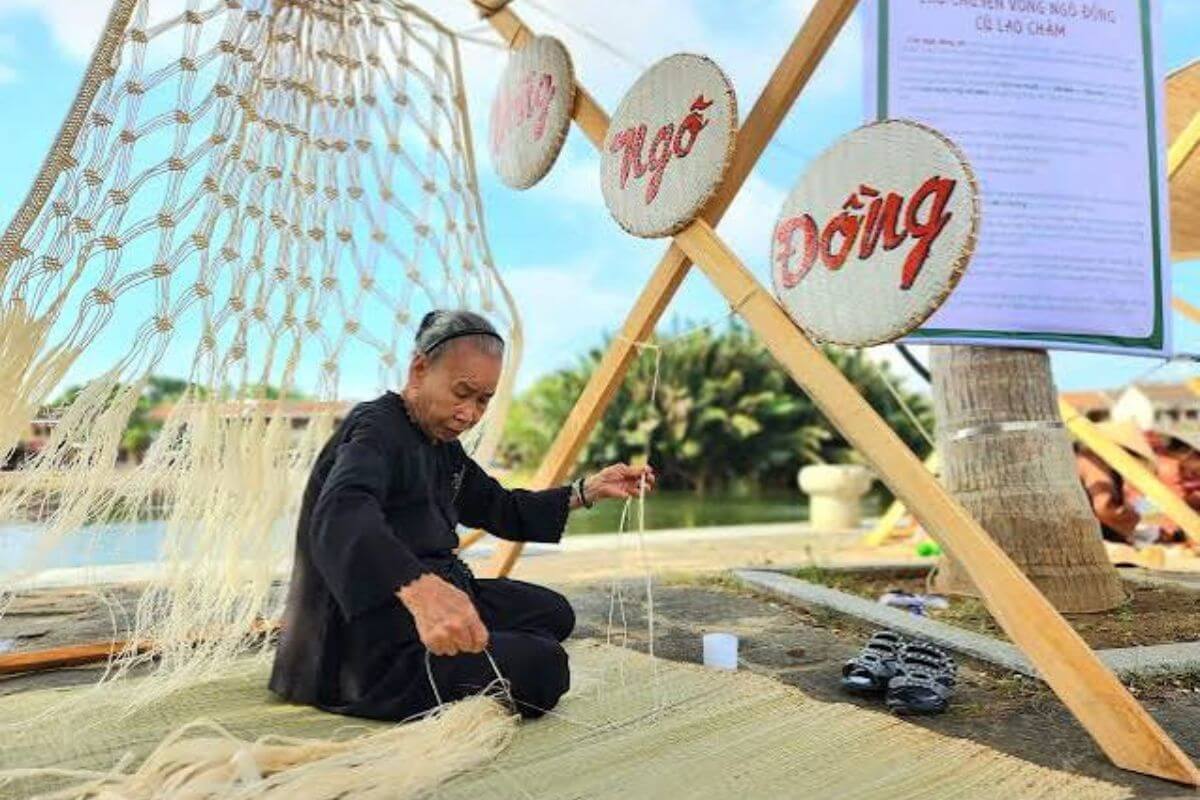
For many international travellers, a Cham Island day trip is the most practical way to experience Cu Lao Cham while staying in Hoi An or Da Nang.
A typical itinerary combines a boat transfer, time at a designated marine activity area, a beach stop, lunch and some cultural sightseeing. The precise sequence varies by tour provider and weather conditions.
Morning: Transfer and Marine Activities
The day usually begins with a transfer to Cua Dai Port, followed by a boat journey to the island.
Depending on the itinerary, the morning may include snorkelling or another supervised marine experience. Listen carefully to the safety briefing and check that the equipment fits properly before entering the water.
If conditions are unsuitable for the planned activity, the operator may change the schedule. Flexibility is particularly important when travelling to a marine destination.
Midday: Local Lunch and Island Sightseeing
Lunch is often an important part of the day, with seafood and local dishes commonly available through organised tours.
After eating, visitors may have time to explore a village, visit a cultural site or relax at the beach. The amount of free time depends on the group's schedule and the return boat arrangements.
If you prefer a less hurried experience, look for a tour that balances marine activities with time on land rather than packing the day with too many stops.
Afternoon: Return to the Mainland
Most day trips return to the mainland in the afternoon, although exact departure times depend on the operator and conditions.
Keep your belongings together, follow instructions at the pier and allow a reasonable buffer if you have onward transport.
A day trip is convenient, but it can feel busy if you try to combine too many activities. Prioritising two or three experiences usually leaves more time to appreciate the island.
What to Eat on Cham Island
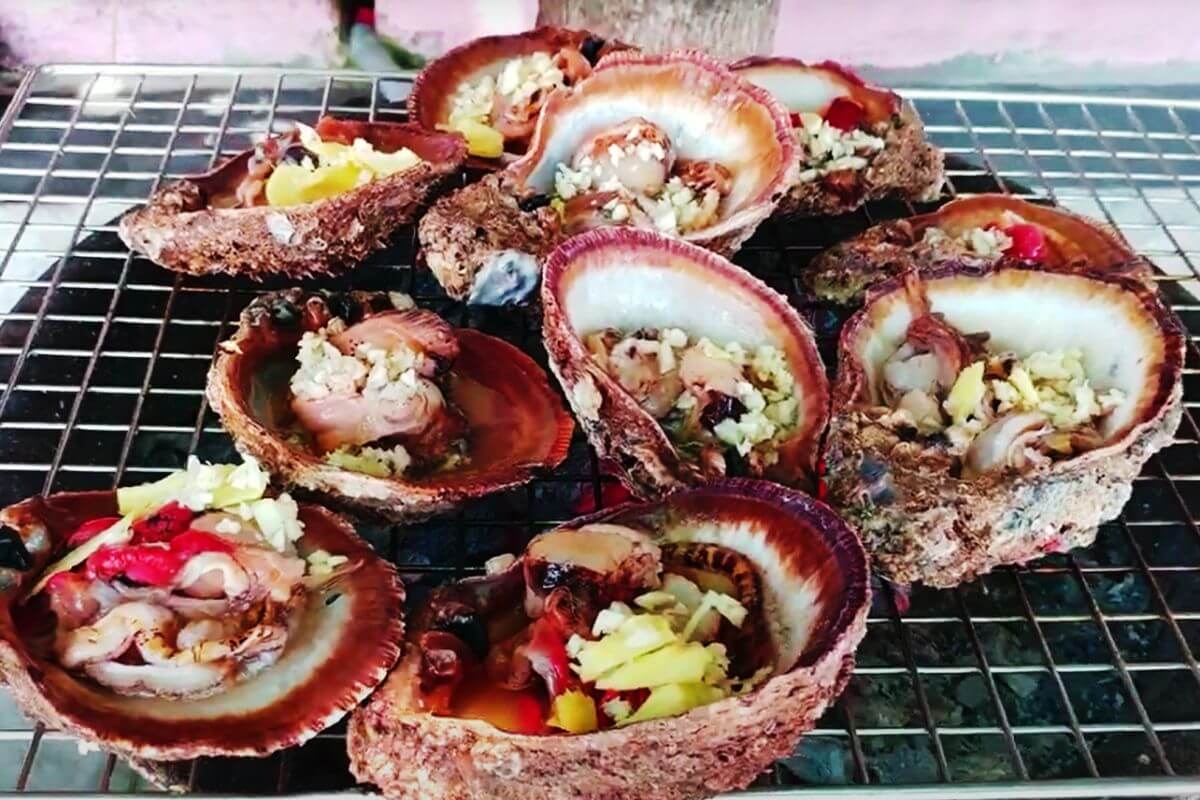
Food is one of the easiest ways to connect with the island's coastal character. Seafood is a natural highlight, although the available dishes depend on the daily catch and the season.
Fresh Seafood
Grilled fish, squid, prawns and shellfish are among the types of dishes visitors may encounter. Preparation is often straightforward, allowing the freshness of the ingredients to remain central to the meal.
Ask about the day's catch and how a dish is prepared. If you have allergies, make sure the restaurant understands them, particularly when seafood is prepared in shared kitchens.
Local Specialities
Some island menus feature regional shellfish and other seafood that may be less familiar to international visitors. Availability can vary, so it is better to ask for recommendations than to expect a particular dish at every restaurant.
Trying a local speciality can be a memorable part of the trip, but choose food from establishments that handle and cook ingredients appropriately.
Practical Dining Tips
If lunch is included in your tour, review what the package covers and whether drinks or special dietary requests cost extra.
Visitors with vegetarian, vegan or other dietary requirements should communicate these needs before departure. On a small island, arranging suitable meals in advance may be easier than relying on finding alternatives at the last minute.
Responsible Tourism on Cham Island
Cham Island's natural appeal depends on the health of its coastal and marine environments. Responsible tourism is therefore not an optional extra; it is part of visiting the destination respectfully.
Reduce Plastic Waste
Bring a reusable water bottle and bag where practical, and avoid unnecessary disposable packaging. Follow local rules on plastic bags and waste management, and do not leave rubbish on beaches or trails.
If you bring snacks or personal items, make sure their packaging is taken back to an appropriate disposal point.
Protect Coral Reefs and Marine Life
Coral reefs are fragile ecosystems. Never stand on coral, remove marine organisms or take pieces of coral and shells as souvenirs.
Use only suitable snorkelling and diving practices, maintain a safe distance from marine animals and follow your guide's instructions. If an operator encourages damaging interactions with wildlife, reconsider participating.
Respect Local Communities
Cham Island is home to people who live and work there throughout the year. Ask before photographing residents, keep noise levels reasonable and respect religious sites and private property.
Supporting local restaurants and family-run accommodation can also help ensure that tourism benefits the community.
Choose Operators That Put Safety First
Before booking a Cham Island tour, check the itinerary, inclusions, safety procedures and cancellation policy. Ask how the operator responds to rough seas and whether the planned activities are suitable for your group.
A well-organised trip should explain what to expect and provide realistic information about conditions, rather than promising that every activity will be available regardless of the weather.
What to Pack for a Cham Island Tour
Packing thoughtfully can make a day on the island more comfortable.
Bring swimwear, a towel, sun protection, drinking water and a change of clothes. A waterproof bag can help protect your phone and other valuables during boat transfers, although it should not replace proper safety equipment.
Wear comfortable footwear for walking around village areas and cultural sites. If your itinerary includes snorkelling, check whether the tour provides masks, snorkels, fins and flotation aids, so you know what you need to bring.
Keep cash available for small purchases, while checking accepted payment methods before departure. Facilities and services may be more limited than in Hoi An or Da Nang.
Most importantly, bring only what you need. A lighter bag is easier to manage on a boat and when moving between beaches and village areas.
Is Cham Island Vietnam Worth Visiting?
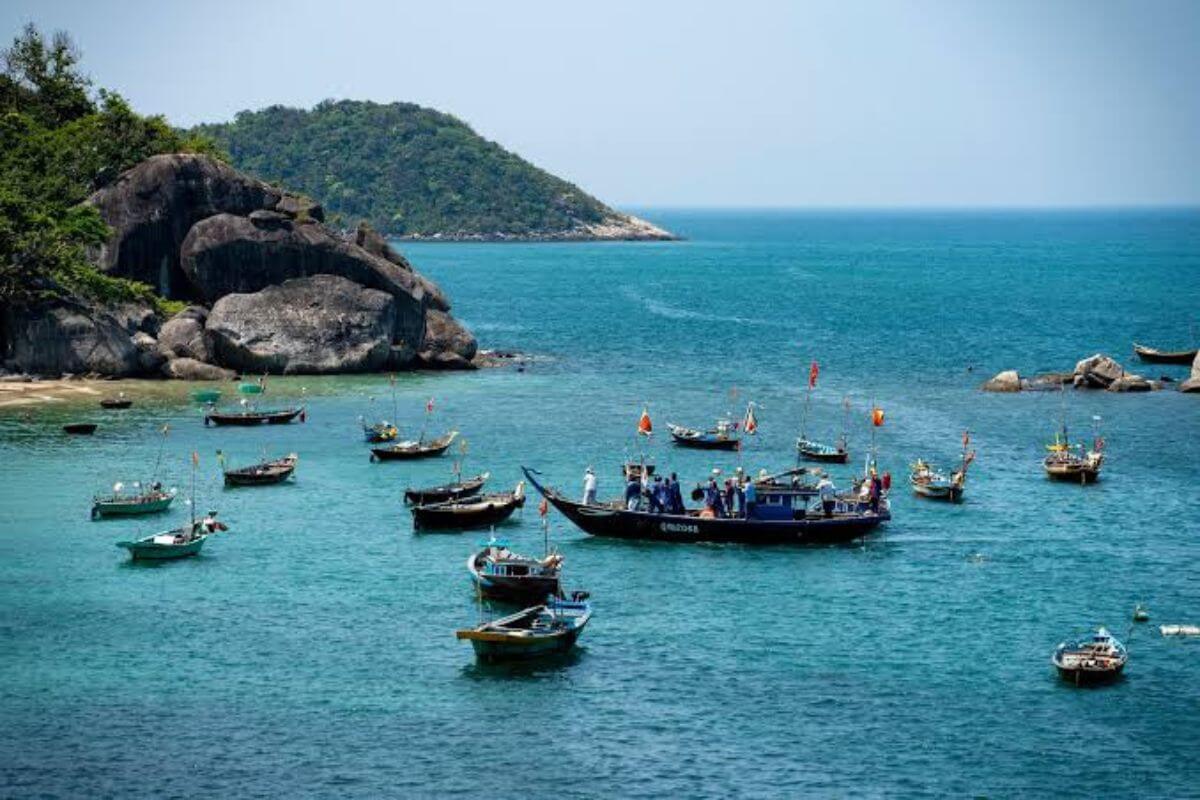
Yes, Cham Island Vietnam is worth visiting for travellers who want a combination of coastal scenery, marine activities and local culture within reach of Hoi An.
Its strongest appeal is the variety of experiences available in a relatively compact destination. You can snorkel in suitable conditions, relax on a beach, explore a fishing village, visit a historic pagoda and enjoy fresh seafood without travelling far from the mainland.
Cham Island is particularly well suited to couples, nature lovers, families with suitable arrangements and travellers who enjoy a slower day outdoors. It can also add variety to a longer itinerary that already includes Hoi An's heritage streets and Da Nang's urban attractions.
However, it may not suit every visitor. Boat access depends on weather, facilities are more limited than in major cities and the quality of marine activities can vary with conditions.
The best approach is to plan around the experience you value most. If snorkelling is your priority, choose a suitable season and confirm the operator's arrangements. If you are more interested in culture and local food, allow enough time to explore the village rather than spending the entire visit at the beach.
With realistic expectations and a responsible approach, Cu Lao Cham can become a rewarding part of a central Vietnam holiday.
Frequently Asked Questions About Cham Island Vietnam
Where is Cham Island Vietnam?
Cham Island is an archipelago off the coast of Hoi An in central Vietnam, approximately 15 kilometres from the mainland. The largest island, Hon Lao, is the main destination for visitors.
Is Cham Island the same as Cu Lao Cham?
Yes. Cu Lao Cham is the Vietnamese name commonly used for the Cham Islands. The archipelago consists of eight islands, with Hon Lao being the largest and the main inhabited island.
How far is Cham Island from Da Nang?
Cham Island lies offshore from Hoi An, south of Da Nang. Travellers starting in Da Nang generally need to travel by road to the departure port near Hoi An before continuing by boat.
Is Cham Island good for snorkelling?
Cham Island is known for its marine environment and snorkelling opportunities. Underwater visibility and marine life vary with weather and sea conditions, so choose a suitable operator and follow safety guidance.
Can beginners go snorkelling on Cu Lao Cham?
Beginners may be able to join a supervised snorkelling activity if conditions are suitable. Ask about flotation equipment, instructions and the level of swimming ability required. Anyone who feels uncomfortable in the water should tell the operator before participating.
Can you visit Cham Island in one day?
Yes. A day trip is a common way to visit Cham Island from Hoi An. Most itineraries combine boat transfers, a marine activity or beach stop, lunch and some sightseeing. Exact schedules depend on the operator and weather.
What food should you try on Cham Island?
Fresh seafood is a highlight, with dishes such as grilled fish, squid, prawns and shellfish available depending on the day's catch. Ask local restaurants what is fresh and communicate any allergies or dietary restrictions before ordering.
Is Cham Island suitable for families?
It can be a good choice for families who enjoy beaches and nature, provided that transport, accommodation and activities meet their needs. Parents should check boat safety, swimming conditions and the suitability of marine activities for children.
What should I bring on a Cham Island day trip?
Bring swimwear, a towel, sun protection, drinking water, comfortable footwear and a change of clothes. A waterproof bag can protect personal belongings. Check whether snorkelling equipment and meals are included in your tour.
Are boats to Cham Island cancelled in bad weather?
Yes. Boat services may be delayed or cancelled when wind, waves or other conditions make the crossing unsafe. Confirm the latest arrangements with your operator and avoid scheduling tight onward connections on the same day.
Is Cham Island an environmentally protected destination?
Cu Lao Cham forms part of the Cu Lao Cham–Hoi An Biosphere Reserve, recognised by UNESCO in 2009. Visitors should follow local conservation rules, reduce waste and avoid damaging coral reefs or disturbing marine life.
Should I visit Cham Island or spend more time in Hoi An?
The two destinations offer different experiences. Hoi An is ideal for heritage architecture, markets, food and evening walks, while Cham Island is better for marine activities, beaches and a nature-focused escape. If your schedule allows, combining both provides a more varied experience of central Vietnam.
Plan Your Vietnam Journey with Saigon Local Tour
Cham Island offers a refreshing contrast to the historic streets of Hoi An and the energy of Da Nang. From snorkelling and coastal scenery to village visits and freshly prepared seafood, Cu Lao Cham provides an opportunity to experience another side of Vietnam at a more relaxed pace.
If you are planning a wider Vietnam holiday, you can also explore the Ho Chi Minh City tour options from Saigon Local Tour. Combining the coastal landscapes of central Vietnam with the food, history and lively neighbourhoods of Ho Chi Minh City can create a more varied journey through the country.
Whether you are visiting for a day or staying longer, Cham Island is best enjoyed with an open schedule, realistic expectations and an appreciation for the natural and cultural character that makes Cu Lao Cham distinctive.
