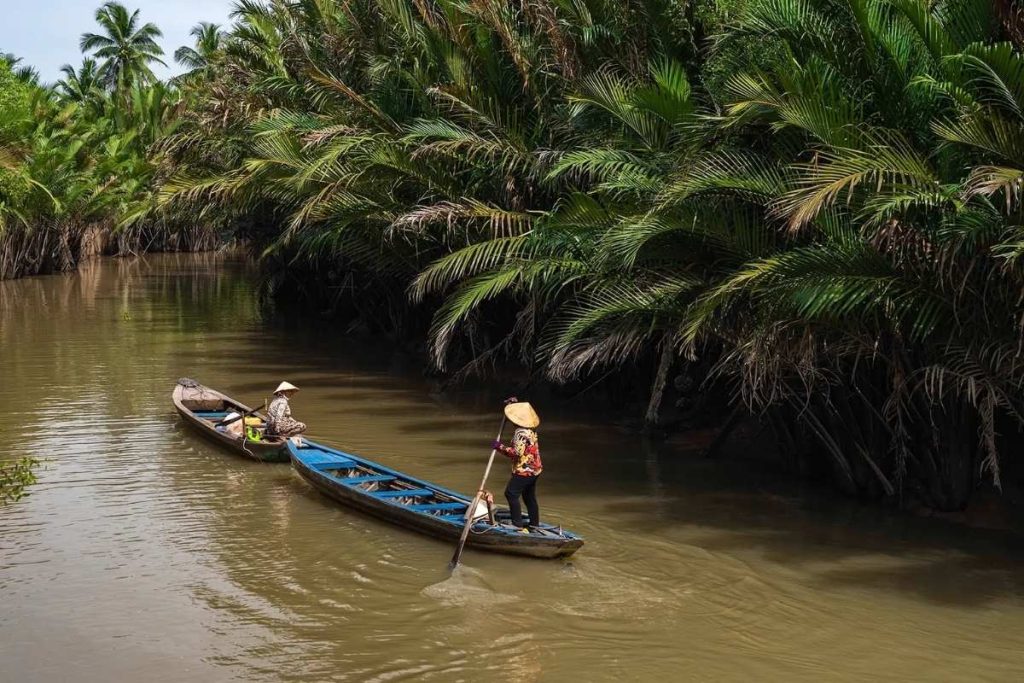
The Mekong Delta is a place where water shapes everyday life. Rivers and canals connect villages, orchards, markets and homes, creating a landscape that feels very different from the busy streets of Ho Chi Minh City. One of the most intimate ways to experience this environment is a sampan ride in the Mekong Delta, when a small boat takes you into narrow waterways surrounded by tropical greenery.
For travelers joining Vietnam Shore Excursions, a sampan ride can be a rewarding way to see a quieter side of southern Vietnam. The attraction is not simply being on a boat. It is the chance to slow down, observe the landscape at water level and notice how communities have adapted their lives around the rivers and canals.
What Is a Sampan Ride in the Mekong Delta?
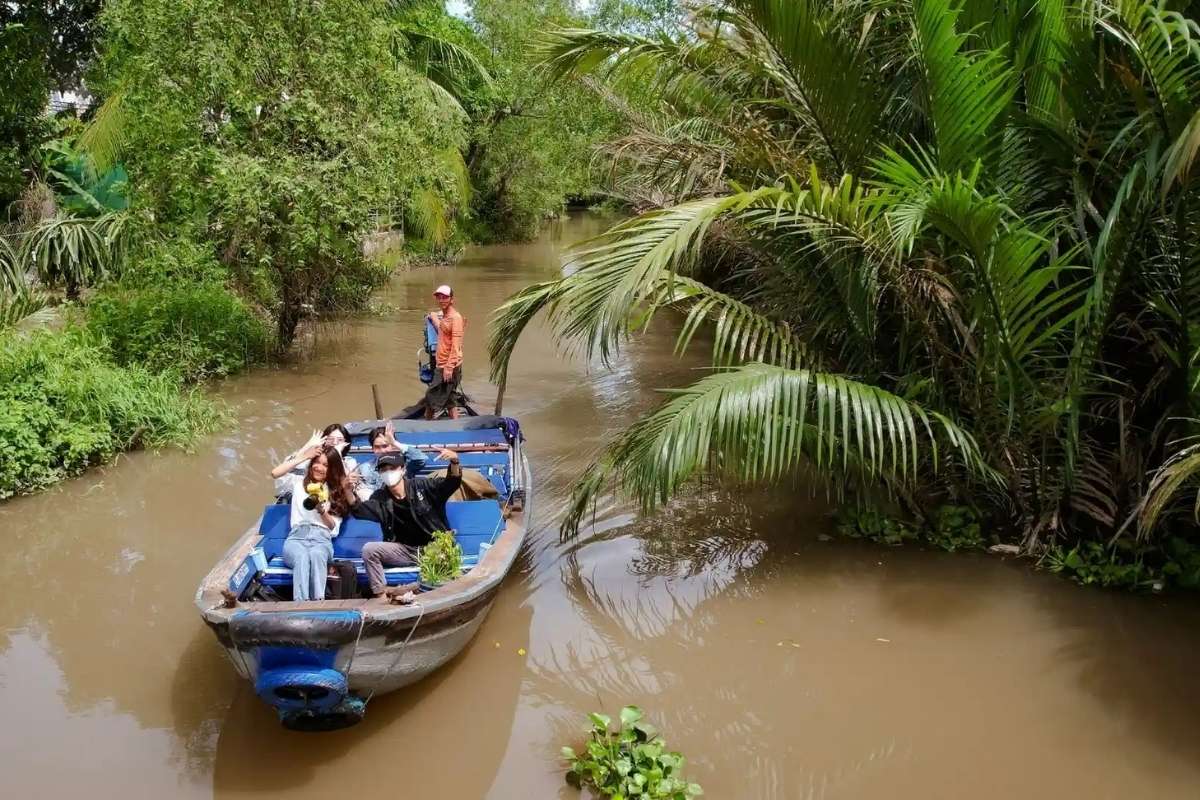
A sampan is a general English term historically used for small boats in parts of Asia. In the Mekong Delta, travelers commonly use the term to describe small traditional-style boats that are paddled through narrow canals and waterways.
A Mekong Delta sampan ride is quite different from traveling on a large river cruise. Smaller boats can enter narrow channels surrounded by palms and dense vegetation, giving passengers a closer view of the countryside. Vietnam Tourism specifically highlights sampan trips through small canals in destinations such as Cái Bè and describes them as a way to experience the waterways at a slower pace.
The experience is generally gentle rather than adventurous. You sit close to the water while the boat moves quietly through the canal, making it well suited to travelers who enjoy scenery, photography and cultural observation.
Why a Sampan Ride Offers a Different View of the Mekong Delta
The Mekong Delta is much easier to understand when you see how closely life is connected to the water. Rivers and canals have long served as routes for transportation, trade and access between communities.
A Mekong Delta river life experience reveals details that can be missed while traveling by road. Along smaller waterways, you may see riverside homes, gardens, coconut palms, small bridges and boats carrying agricultural products. Vietnam Tourism notes that local people in the Delta have grown up paddling boats and using ferries, making waterways an important part of everyday movement in the region.
The small scale of a sampan also changes the pace of sightseeing. Instead of moving quickly between attractions, you have time to notice the sound of paddles, the movement of the water and the vegetation lining the canal.
What to Expect During a Sampan Ride
Knowing what to expect on a Mekong Delta sampan ride helps you appreciate the experience for what it is: a short journey through a living rural landscape.
The route
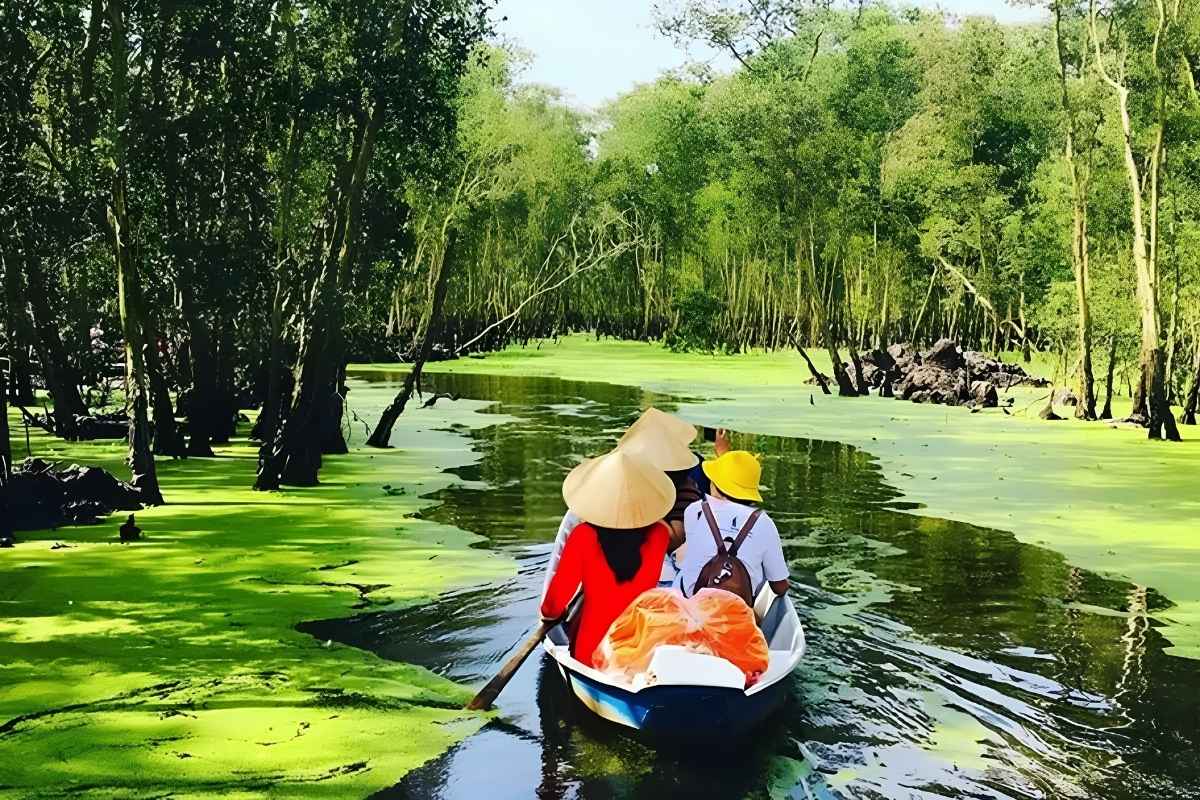
Exact routes depend on the destination and tour itinerary. A typical experience may begin on a larger river before entering a narrower canal. The boat then follows waterways bordered by palms, gardens and small settlements before returning to a larger pier or meeting point.
Ben Tre is particularly associated with boat trips through coconut-lined waterways, while Cái Bè is known for leafy canals around Tân Phong Islet.
The pace
Do not expect a fast ride packed with commentary. The slower pace is part of the appeal. There is usually plenty of time to take photographs, look around and enjoy the surroundings.
The atmosphere
Depending on the route and time of day, the canal may be surprisingly peaceful. You may hear paddles touching the water, birds in the vegetation or the occasional sound of another boat nearby.
The boat
Small boats sit relatively close to the water, so passengers should take care when boarding and leaving. Follow the operator's instructions and use safety equipment when provided or required.
Where Can You Take a Sampan Ride in the Mekong Delta?
The Mekong Delta covers a large area, so the character of a sampan ride in the Mekong Delta varies by destination. Your choice should depend on how much time you have and the type of landscape you want to see.
| Destination | What You May Experience | Best For |
| Ben Tre | Coconut groves, narrow canals and rural gardens | First-time visitors |
| Cai Be | Small waterways, Tân Phong Islet and fruit orchards | Slow-paced exploration |
| Can Tho | Wider waterways, floating-market surroundings and tributaries | River culture |
| Vinh Long | Orchards, islands and rural scenery | Travelers seeking a quieter setting |
| Chau Doc | River communities, floating activity and fish farms | Longer Delta itineraries |
Ben Tre is one of the easiest choices for a day trip, while Cai Be offers a particularly relaxed atmosphere around Tân Phong Islet. Can Tho is a stronger option for travelers interested in combining small-boat exploration with the region's floating-market culture.
What Can You See Along the Waterways?
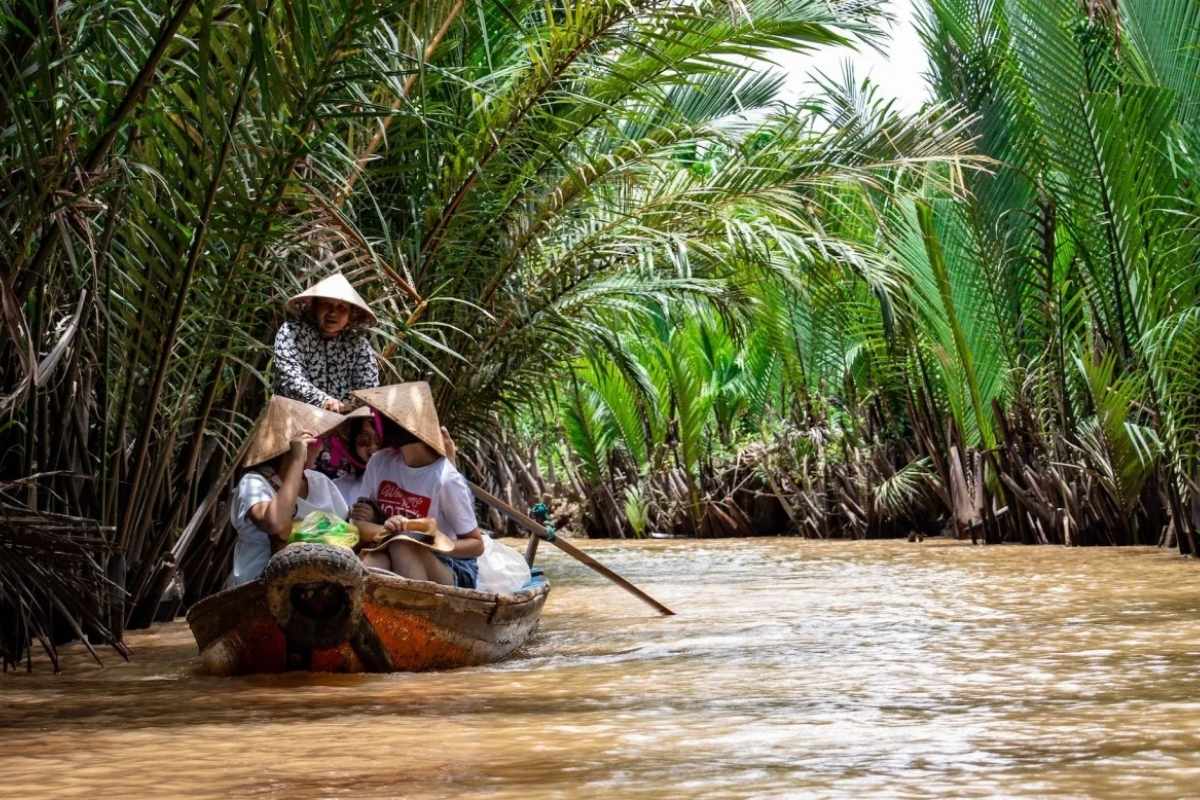
A local life in the Mekong Delta experience is less about checking off individual attractions and more about noticing what happens around you.
Coconut palms and tropical vegetation
Dense greenery is one of the defining features of many smaller waterways. In Ben Tre, coconut groves are particularly prominent and closely connected with local agriculture.
Riverside homes and gardens
Homes, gardens and small agricultural plots can appear close to the canals. These everyday details help explain why waterways remain important to rural communities.
Local boats and transportation
Boats are not simply tourist vehicles. Ferries and small boats continue to serve practical purposes in the Delta, and larger waterways remain active with transportation and commerce.
Floating commerce
If your itinerary includes a floating market, you may see boats loaded with fruit, vegetables, breakfast foods and drinks. At Cai Rang, for example, smaller boats move among larger vessels selling noodles and coffee during the morning market.
How to Make the Experience More Authentic
A good authentic Mekong Delta boat experience should give you an opportunity to observe local life without turning the community into a backdrop for tourism.
Consider these simple approaches:
- Choose a smaller group: Fewer passengers generally create a quieter experience.
- Learn about the area: Ask your guide or boat operator about agriculture, canals and local livelihoods.
- Support local businesses: Combine the ride with a family-run farm, garden, workshop or local meal where appropriate.
- Keep noise low: A calm atmosphere makes it easier to appreciate the surroundings.
- Photograph respectfully: Residents are living their normal lives, so ask permission before taking close-up portraits.
- Avoid staged interactions: Genuine observation is more valuable than creating artificial scenes for photographs.
The Mekong Delta's appeal comes partly from its working landscapes. Vietnam Tourism highlights family-run farms, orchards, workshops and village activities as important parts of understanding the region.
Best Time for a Sampan Ride
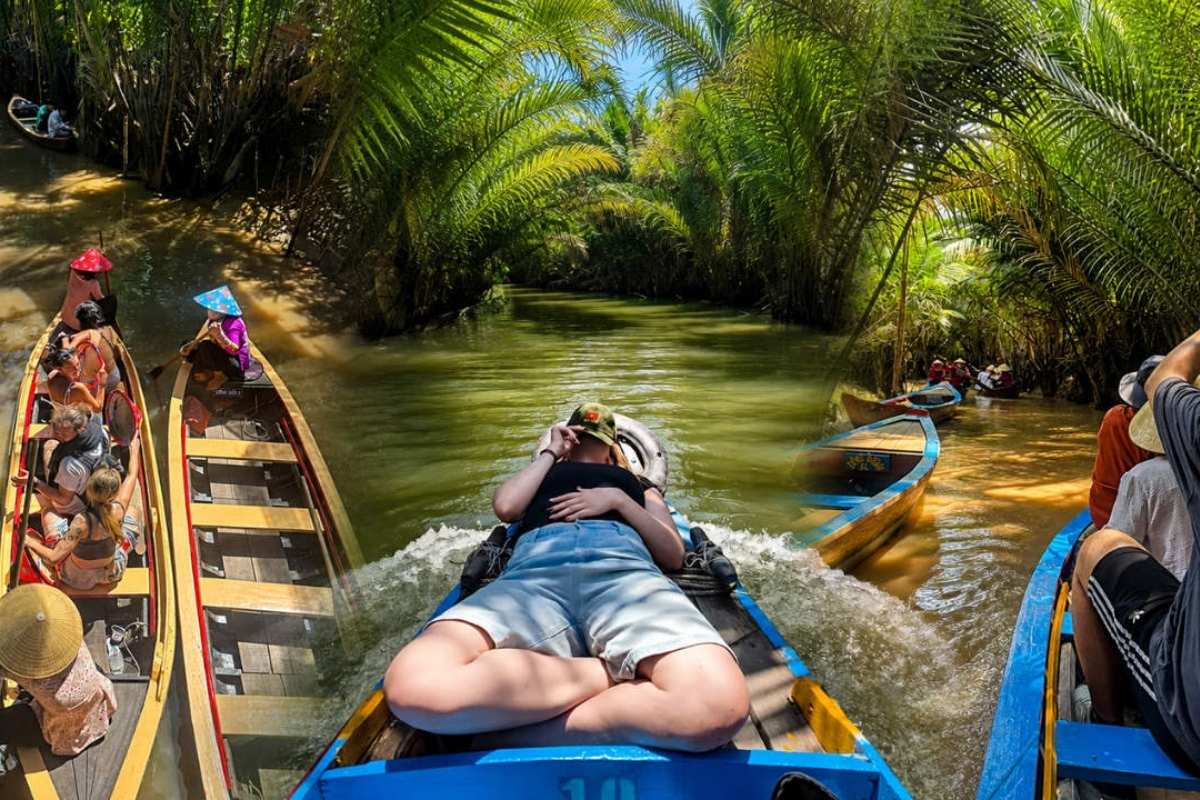
The best time for a Mekong Delta boat ride depends partly on your tolerance for heat and rain. Southern Vietnam remains warm throughout the year. Vietnam Tourism describes December through April as generally clearer and sunnier, while May through November brings more rainfall, humidity and afternoon showers.
Early morning is often a comfortable choice for being on the water. The temperature is usually more manageable, and the softer light can be excellent for photography. Vietnam Tourism also notes that early morning is a particularly atmospheric time to experience the Mekong's waterways.
During wetter months, bring rain protection and allow some flexibility in your schedule. A short shower does not necessarily ruin the experience, but weather conditions can affect boat routes and outdoor activities.
What to Bring for a Sampan Ride
For a small boat ride Mekong Delta experience, packing light is usually best.
Bring:
- A hat or cap
- Sunglasses
- Sunscreen
- Insect repellent
- Drinking water
- Comfortable, breathable clothing
- Sandals or shoes that are easy to manage around the boat
- A waterproof pouch for your phone
- A light rain jacket or compact umbrella during wetter months
- Small amounts of cash for local purchases
Your camera or phone is likely to be one of your most useful items, but keep it secure. Small boats have limited space, and reaching too far over the side for a photograph is unnecessary.
Can You Combine a Sampan Ride with Other Mekong Delta Experiences?
A sampan trip works best as part of a broader Mekong Delta experience itinerary. The waterways provide one perspective, while activities on land explain more about how people live and work in the region.
Consider combining the ride with:
- A local market: See fresh produce and everyday commerce before heading onto the waterways.
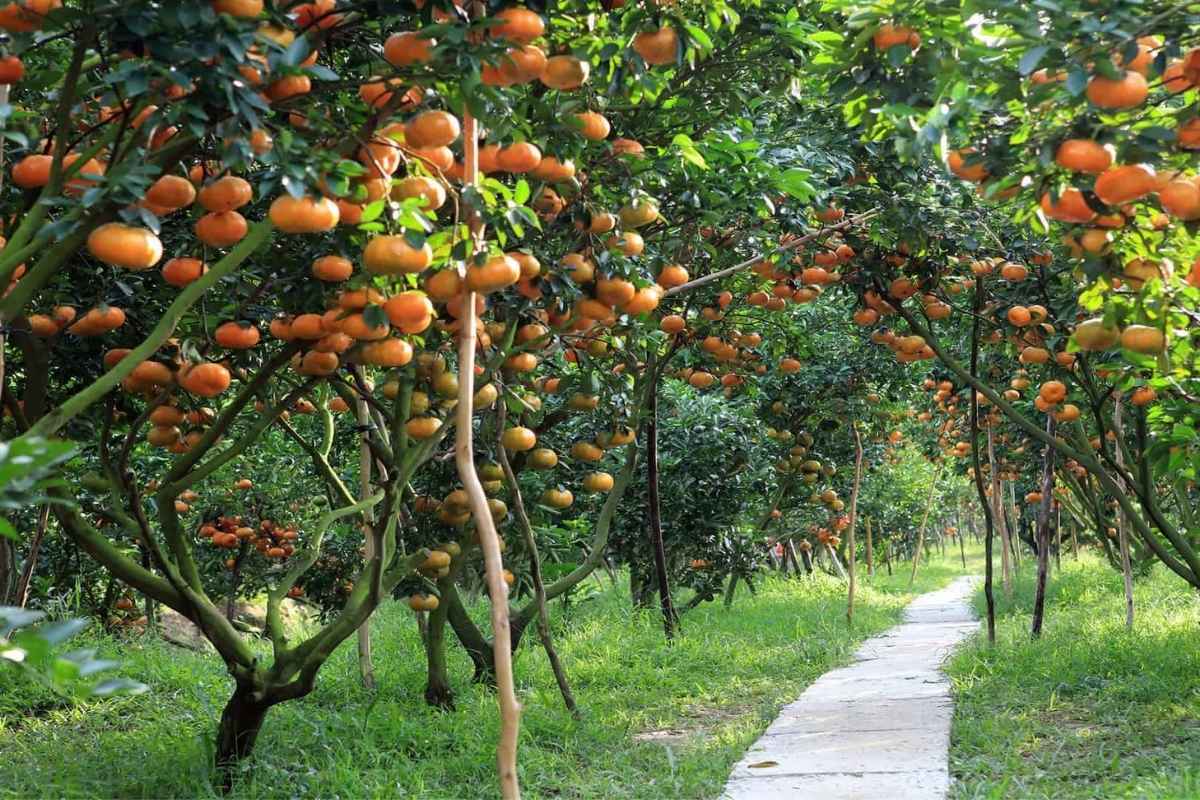
- A fruit garden: Learn about the tropical crops that thrive in the Delta's fertile environment.
- A family-run workshop: Ben Tre is known for coconut products, including traditional coconut candy production.
- Cycling: Village paths offer a completely different perspective after seeing the countryside from the water.
- A local lunch: Southern Vietnamese dishes can add another sensory layer to the experience.
- A floating market: Around Can Tho, an early-morning boat trip to Cai Rang can be combined with a journey through smaller tributaries afterward.
Is a Sampan Ride Worth Doing?
If you are wondering if a sampan ride is worth doing in the Mekong Delta, the answer depends on what you want from your trip. It is particularly rewarding for travelers who enjoy quiet scenery, photography and cultural experiences.
It can be a good choice for:
- First-time visitors to the Mekong Delta
- Couples looking for a peaceful activity
- Families who enjoy gentle outdoor experiences
- Travelers interested in rural landscapes
- Photography enthusiasts
- Visitors who want to understand local life beyond major attractions
It may feel less exciting to travelers looking for fast-paced activities. The value of the experience lies in its slower rhythm and close perspective.
A small boat takes you into places that a larger vessel cannot easily reach. That change in scale is what makes the journey memorable.
Final Thoughts - Slow Down and See the Delta from the Water
A sampan ride is more than a short journey through a scenic canal. It changes the way you see the Mekong Delta. Sitting close to the water, you can notice the vegetation, homes, boats and everyday activities that form the region's distinctive character.
The most rewarding sampan ride in the Mekong Delta is not necessarily the one with the most attractions. It is the one that gives you enough time to slow down and observe.
