

When travelers search for Vietnam beaches, they are often surprised by the country’s incredible diversity. Stretching more than 3,260 kilometers along the East Sea, Vietnam offers everything from untouched tropical islands to vibrant coastal cities, from luxury resorts to secluded fishing villages.
In recent years, the best beaches in Vietnam have consistently ranked among Asia’s top coastal destinations. What makes Vietnam beaches unique is not only their beauty, but also their cultural depth, affordability, accessibility, and year-round travel potential.
This comprehensive guide of Saigon Local Tour explores the best beaches in Vietnam from north to south, helping international travelers choose the perfect coastline for their style of travel - whether that means relaxation, adventure, romance, or family fun.
What Makes Beaches in Vietnam Unique?
Unlike many island nations, Vietnam beaches combine coastline with culture. You can explore ancient towns, imperial cities, and local fishing villages within minutes of the sea.
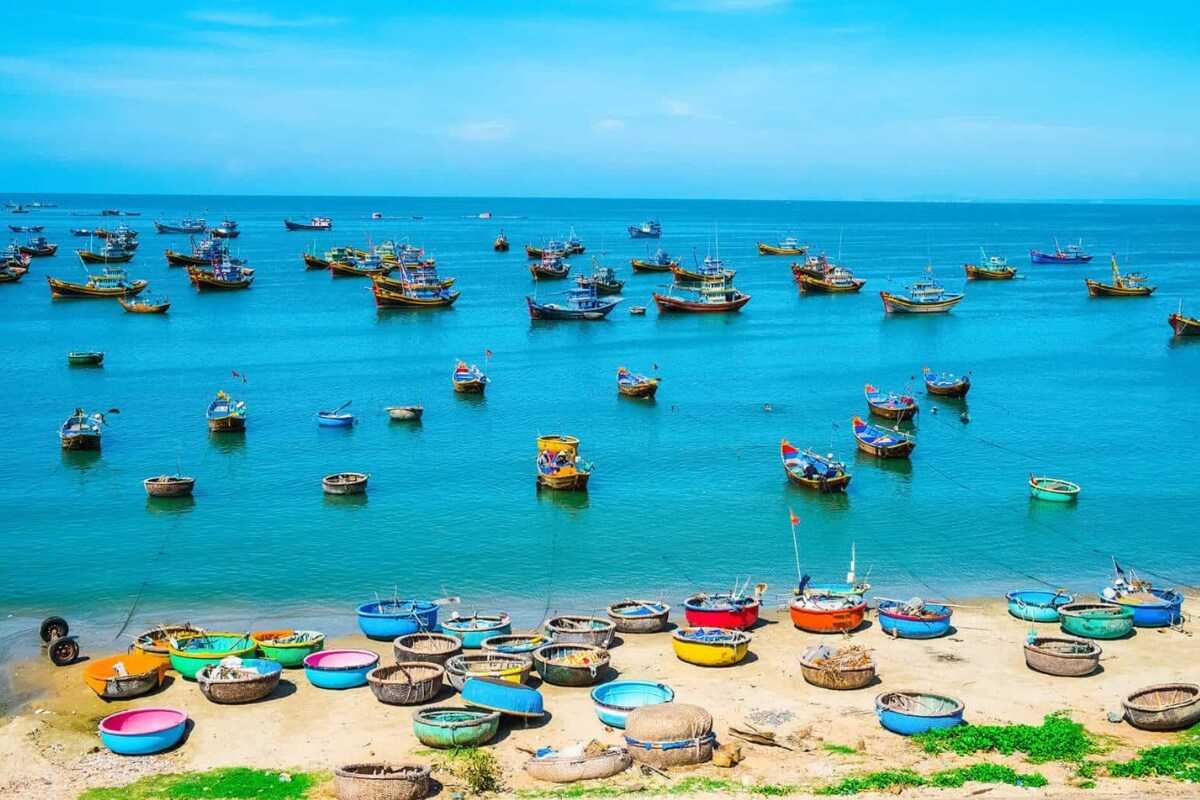
Seafood culture is another highlight. Fresh crab, grilled scallops, sea urchin, and fish hotpot are integral parts of the Vietnam beaches experience.
Additionally, the balance between luxury and authenticity makes the best beaches in Vietnam accessible to both backpackers and five-star travelers.
Best Beaches in Northern Vietnam
1. Bai Chay Beach – Ha Long Area
Located in the heart of Ha Long Bay, Bai Chay Beach is one of the most accessible beaches in Vietnam. While much of Ha Long Bay is known for cruising rather than beach relaxation, Bai Chay provides a long, sandy shoreline perfect for travelers who want to combine sightseeing with traditional beach time.
This beach has been developed to accommodate tourism, offering a clean promenade, nearby hotels, seafood restaurants, and easy transportation connections from Hanoi. The sand here is golden and smooth, and the water is generally calm during the summer months.
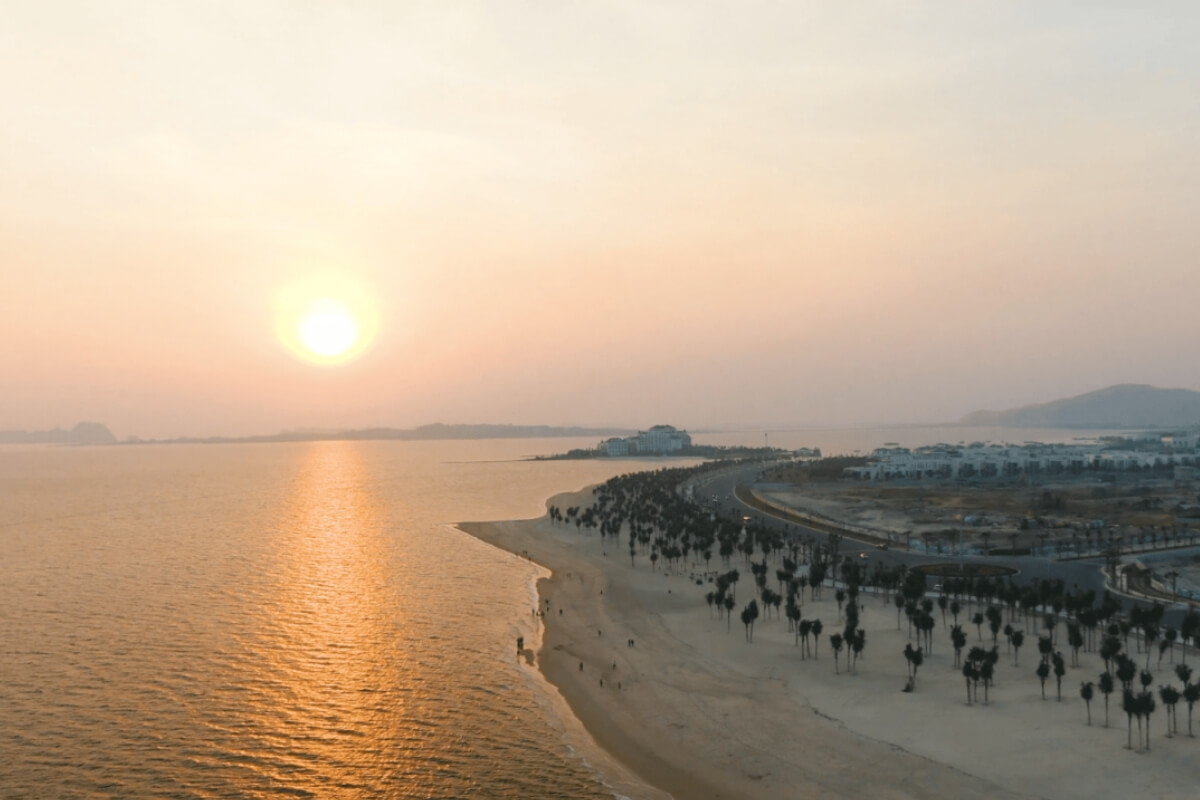
What makes Bai Chay unique among Vietnamese beaches is the backdrop. Instead of open horizons, you see limestone formations scattered across the bay. The scenery feels cinematic, especially at sunset when the karsts glow in soft orange light.
Bai Chay is ideal for families, cruise passengers extending their stay, and travelers who want comfort without venturing too far off the beaten path.
Best time to visit: May to September
Travel tip: Combine with an overnight cruise for kayaking and swimming in secluded lagoons.
2. Co To Island – Untouched Northern Escape
Co To Island has emerged as one of the most promising Vietnam beach destinations in the north, yet it still retains an untouched charm. Located about 80 kilometers from the mainland, Co To features remarkably clear water compared to many northern coastal areas.
Hong Van Beach and Van Chay Beach are the island’s highlights. The sand is clean and bright, and the water takes on a vibrant blue tone during sunny days — a rare sight among northern Vietnam beaches.
Co To also offers cycling paths, lighthouses with panoramic views, and simple seafood restaurants serving freshly caught squid and crab. The atmosphere is laid-back, with tourism infrastructure steadily improving without overwhelming the island’s natural character.
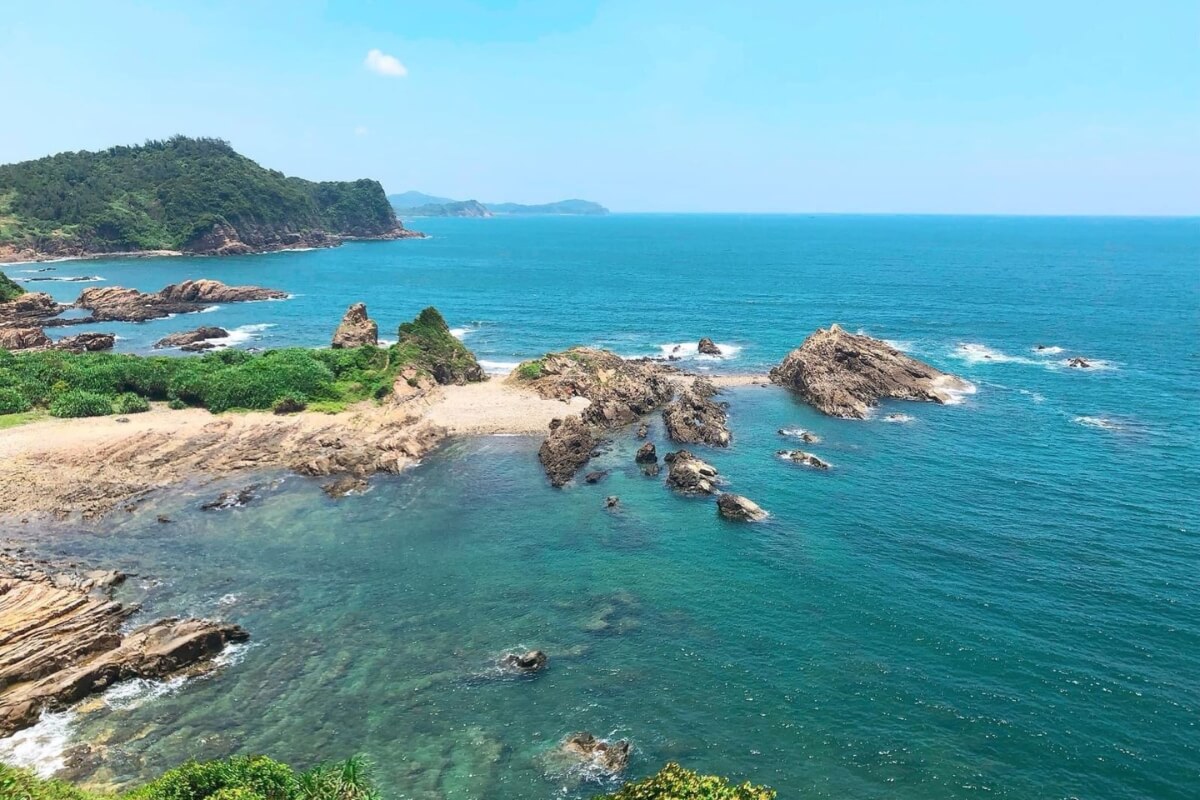
Compared to southern Vietnam beaches, Co To is less tropical in vegetation but equally beautiful in summer.
Best season: May to September
Why visit: Clear water, peaceful environment, authentic local life
3. Cat Ba Island – Where Jungle Meets the Sea
Cat Ba Island offers a different perspective on Vietnam beaches. As part of the greater Ha Long Bay region, Cat Ba combines limestone cliffs, dense jungle, and small sandy coves.
Cat Co 1, Cat Co 2, and Cat Co 3 are the main beaches near Cat Ba town. While they are smaller than the central Vietnam beaches, their dramatic surroundings create a unique atmosphere. You can hike in Cat Ba National Park in the morning and swim in the sea by afternoon.
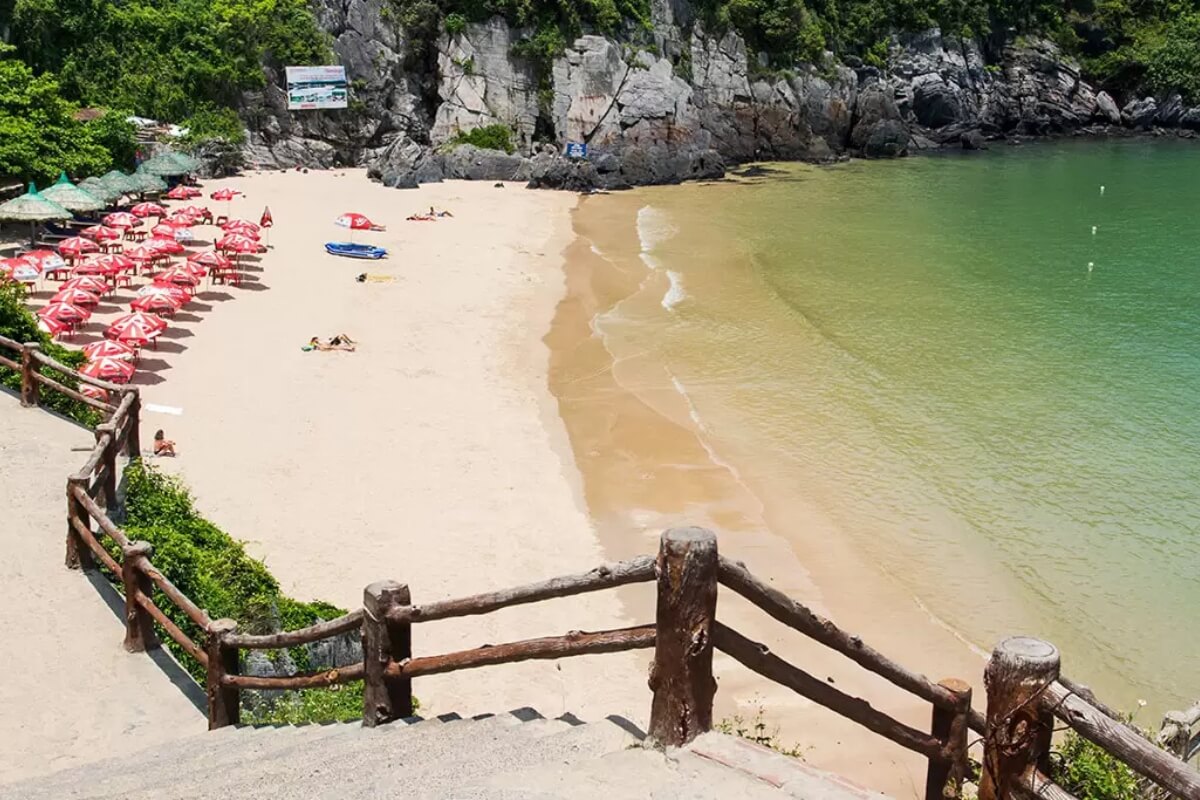
Cat Ba is also a departure point for kayaking tours through Lan Ha Bay, which is often considered a quieter alternative to Ha Long Bay.
Among the best beaches in Vietnam’s north, Cat Ba appeals to active travelers who enjoy combining beach relaxation with hiking, kayaking, and exploration.
Best for: Adventure travelers and eco-tourists
Best time: April to October
Best Beaches in Central Vietnam
Central Vietnam is home to many of the best beaches in Vietnam, thanks to its extended dry season and long sandy coastline.
1. My Khe Beach – Da Nang
My Khe Beach consistently ranks among the best beaches in Vietnam for its accessibility, beauty, and balance between local and international appeal. Stretching for more than 10 kilometers, this beach features fine white sand, a gently sloping shoreline, and relatively calm waves during the dry season.
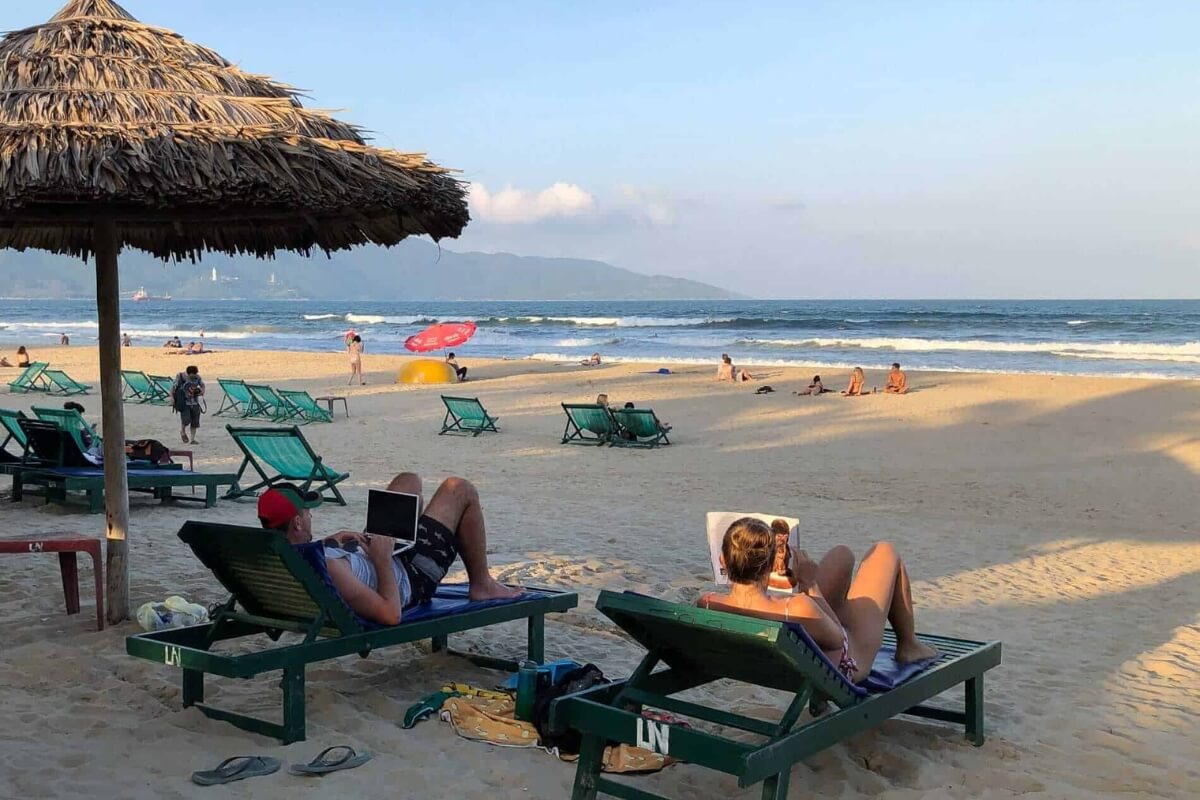
One of the reasons My Khe stands out among Vietnam beaches is its width. Even during peak season, the beach rarely feels overcrowded. Early mornings are particularly special, as local residents practice tai chi, jog along the sand, and fishermen bring in their catch.
Best for: Families, digital nomads, first-time visitors
Best time: February to August
2. Nha Trang Beach – Classic Coastal City
Nha Trang is one of the most established beach destinations in Vietnam, known for its sweeping crescent-shaped bay and lively seaside promenade.
The beach runs parallel to the city center, offering easy access to restaurants, nightlife, and shopping. The water is generally calm and clear during the dry season, making it ideal for swimming.
What differentiates Nha Trang from other central Vietnam beaches is its marine ecosystem. Offshore islands such as Hon Mun are famous for snorkeling and diving. Coral reefs and marine biodiversity make this one of the best beaches in Vietnam for underwater exploration.
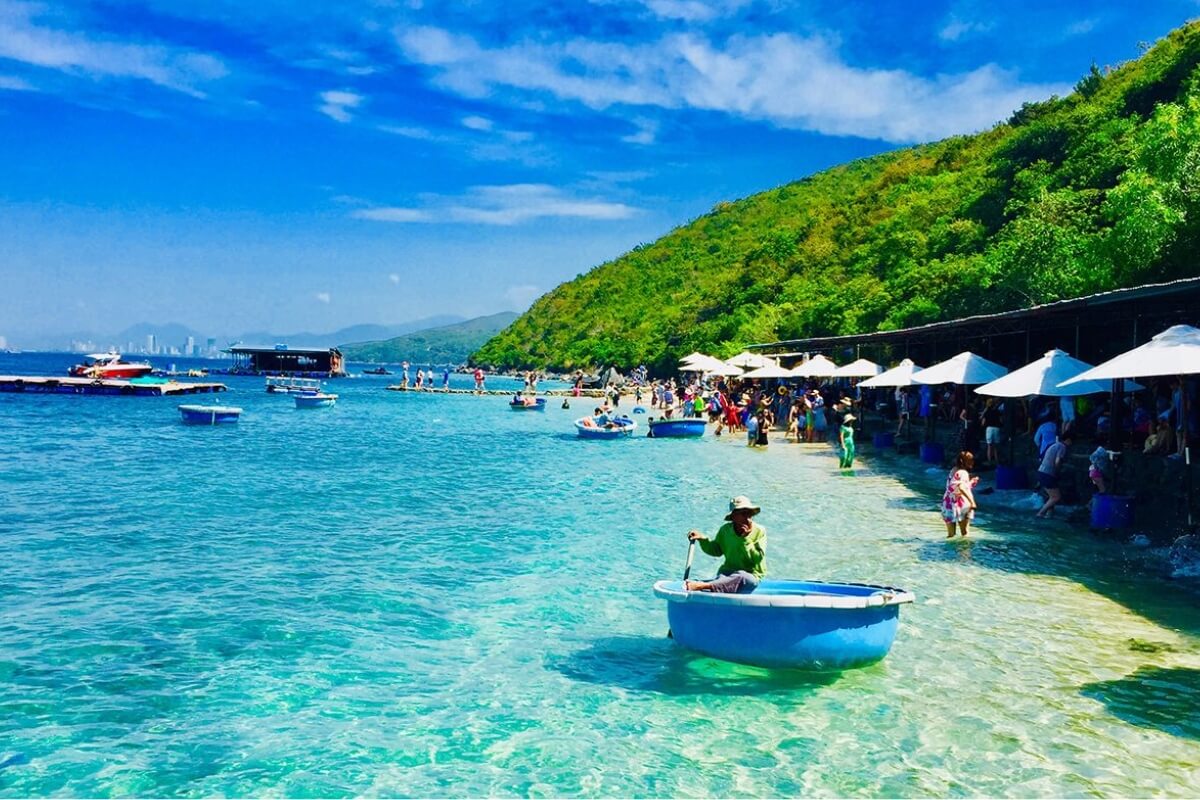
Nha Trang appeals to travelers who enjoy combining beach relaxation with nightlife, island hopping, and water sports.
Ideal for: Beach + nightlife + island hopping
Best time: January to September
3. Ky Co Beach – Quy Nhon
Ky Co Beach near Quy Nhon is often described as one of the most visually stunning Vietnam beaches in central Vietnam. With powdery white sand and striking turquoise water, Ky Co rivals more famous Southeast Asian beaches in beauty.

Because access requires either a boat ride or a scenic coastal drive, Ky Co remains relatively less crowded than Nha Trang or Da Nang. This exclusivity enhances its appeal.
The shallow, clear water makes it perfect for swimming and photography. Many visitors describe it as one of the best beaches in Vietnam for a peaceful day trip surrounded by natural scenery.
Quy Nhon itself is emerging as a destination, offering authentic local cuisine and a slower pace of life compared to major beach cities.
4. Mui Ne Beach – Wind & Sand Dunes
Mui Ne offers a completely different experience compared to other central Vietnam beaches. Known for its strong winds and unique desert-like sand dunes, Mui Ne has become Southeast Asia’s kitesurfing capital.
The beach stretches long and narrow, lined with resorts and surf schools. While swimming conditions can be rough due to wind, the consistent breeze creates ideal conditions for water sports.
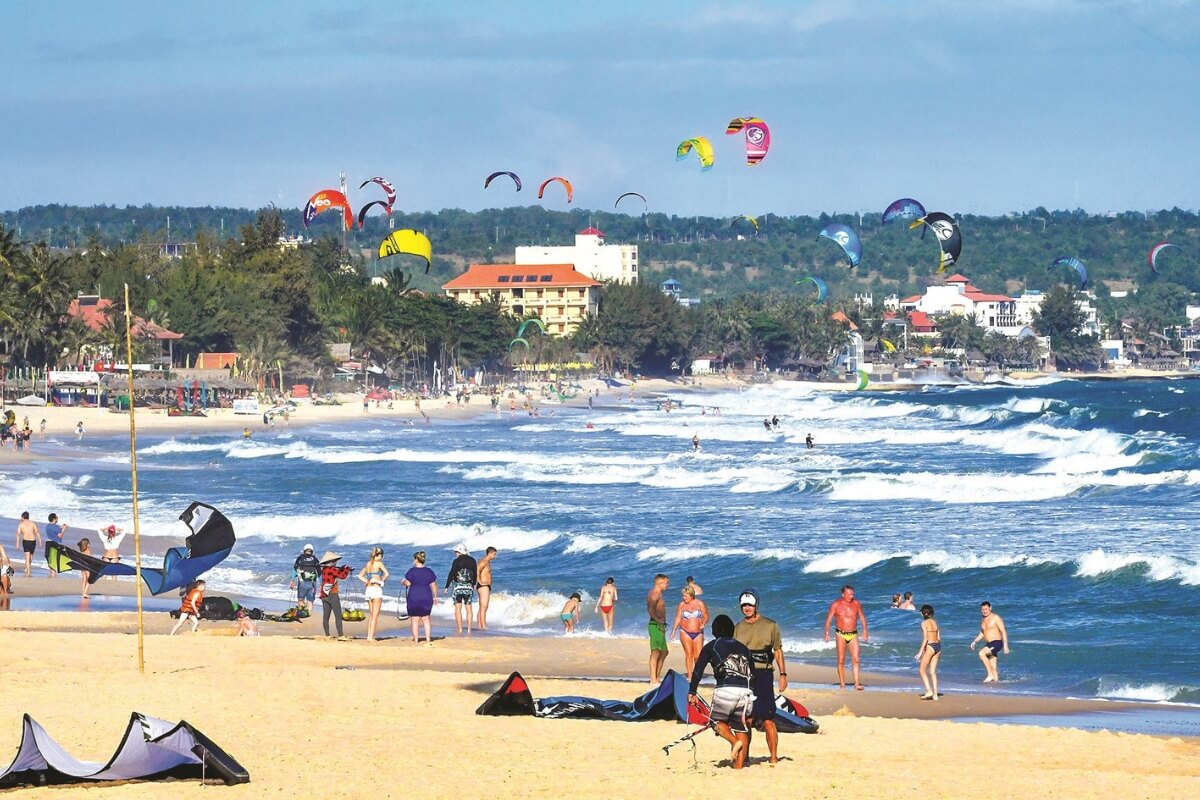
Beyond the shoreline, travelers can explore the White Sand Dunes, Red Sand Dunes, and the Fairy Stream — adding variety to a traditional beach holiday.
Mui Ne is considered one of the best beaches in Vietnam for adventure seekers and active travelers, rather than pure relaxation.
Best for: Kitesurfing, adventure seekers
Best season: November to April
Best Beaches in Southern Vietnam
Southern Vietnam beaches are famous for tropical island scenery, warm water year-round, and postcard-perfect sunsets.
1. Phu Quoc Island – Vietnam’s Premier Beach Destination
Phu Quoc is widely recognized as the crown jewel of Vietnam beaches. Located in the Gulf of Thailand, closer to Cambodia than mainland Vietnam, this island has rapidly developed into one of the best beaches in Vietnam for international travelers.
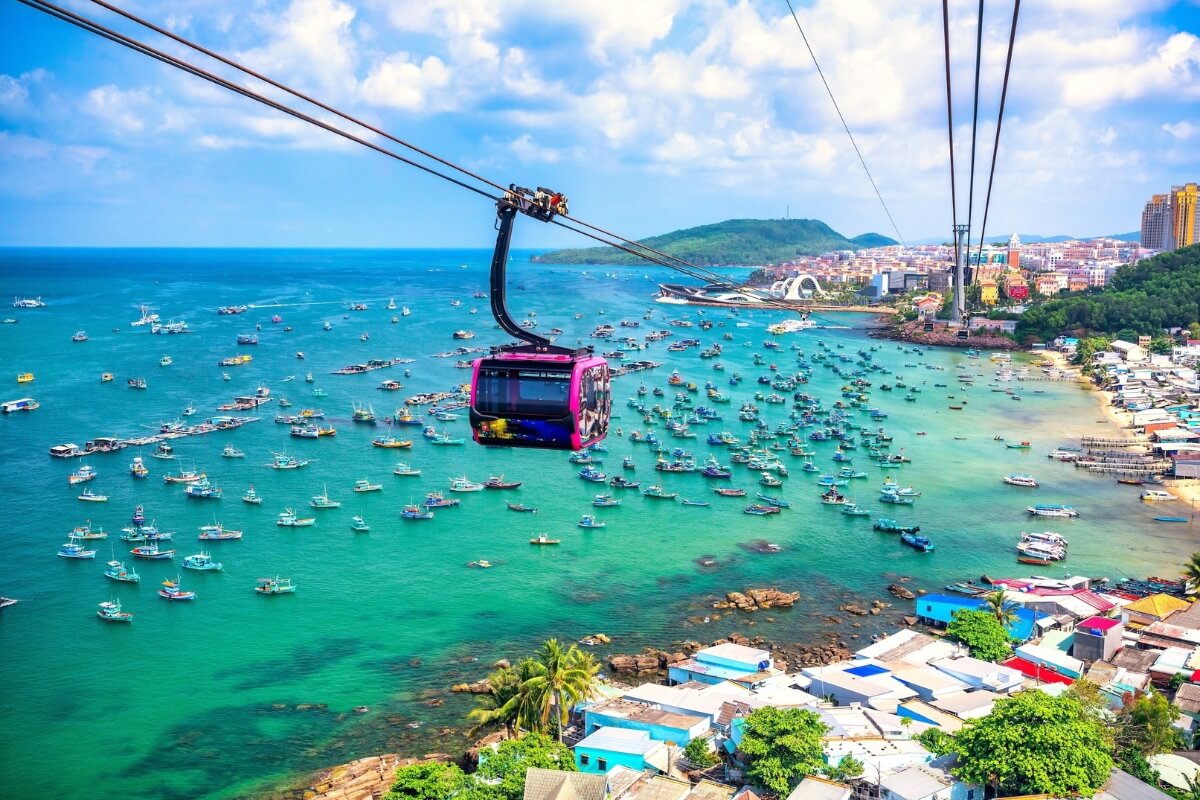
What makes Phu Quoc stand out among all Vietnam beaches is its variety. The island offers long stretches of golden sand, secluded coves, vibrant coral reefs, and high-end beachfront resorts — all within relatively short driving distances.
- Long Beach (Bai Truong) is the island’s most famous shoreline. Stretching over 20 kilometers, it offers breathtaking sunsets, beachfront bars, and easy access to resorts. Despite its popularity, the beach is wide enough to maintain a sense of openness.
- Sao Beach (Bai Sao) on the southeastern coast is often described as one of the most beautiful beaches in Vietnam. Powdery white sand and calm, shallow turquoise water create a classic tropical paradise atmosphere.
- Ong Lang Beach provides a quieter alternative for travelers seeking tranquility. With boutique resorts and fewer crowds, it represents a more relaxed side of Phu Quoc.
Beyond relaxation, Phu Quoc offers snorkeling, diving, island-hopping tours, and visits to traditional fish sauce factories. The combination of modern tourism infrastructure and preserved natural beauty explains why many travelers consider Phu Quoc home to the best beaches in Vietnam.
Best time to visit: November to April
Ideal for: Honeymooners, luxury travelers, families, sunset lovers
2. Con Dao Islands – Secluded and Pristine
For travelers seeking exclusivity and untouched nature, Con Dao stands out among Vietnam beaches as a hidden treasure. Located about 230 kilometers southeast of Ho Chi Minh City, this archipelago is known for its protected marine park, crystal-clear water, and dramatic mountainous backdrop.
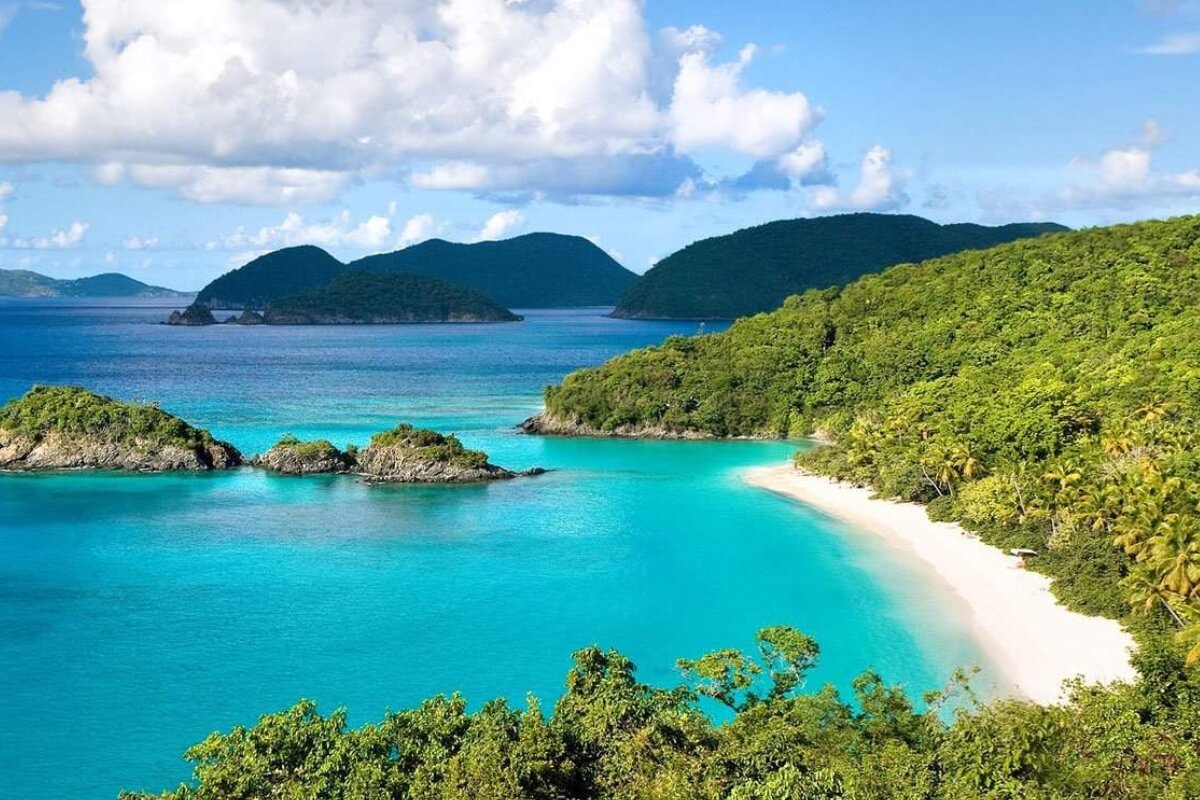
Unlike more commercialized beaches in Vietnam, Con Dao emphasizes conservation and sustainable tourism. Many beaches here feel nearly private, particularly outside peak Vietnamese holidays.
- Dam Trau Beach is the most famous stretch of sand on the island, offering golden sand framed by green hills. The water is exceptionally clear, making it perfect for swimming and snorkeling.
- An Hai Beach, located near the town center, provides a peaceful sunrise setting and calm water. Meanwhile, smaller hidden coves across the islands offer complete seclusion for adventurous explorers.
Con Dao’s appeal lies in its balance between natural beauty and refined hospitality. With a limited number of high-end resorts and minimal nightlife, it remains one of the best beaches in Vietnam for travelers who value privacy and eco-conscious travel.
Best time to visit: March to September (calmer seas)
Best for: Nature lovers, couples, luxury eco-travelers
3. Ho Tram – Easy Coastal Escape from Ho Chi Minh City
Just a two-to-three-hour drive from Ho Chi Minh City, Ho Tram has quickly emerged as one of the most accessible beaches in Vietnam.
Unlike island destinations, Ho Tram sits on the mainland, making it convenient for short getaways. The beach is long, relatively quiet, and lined with upscale resorts that offer private beach access.
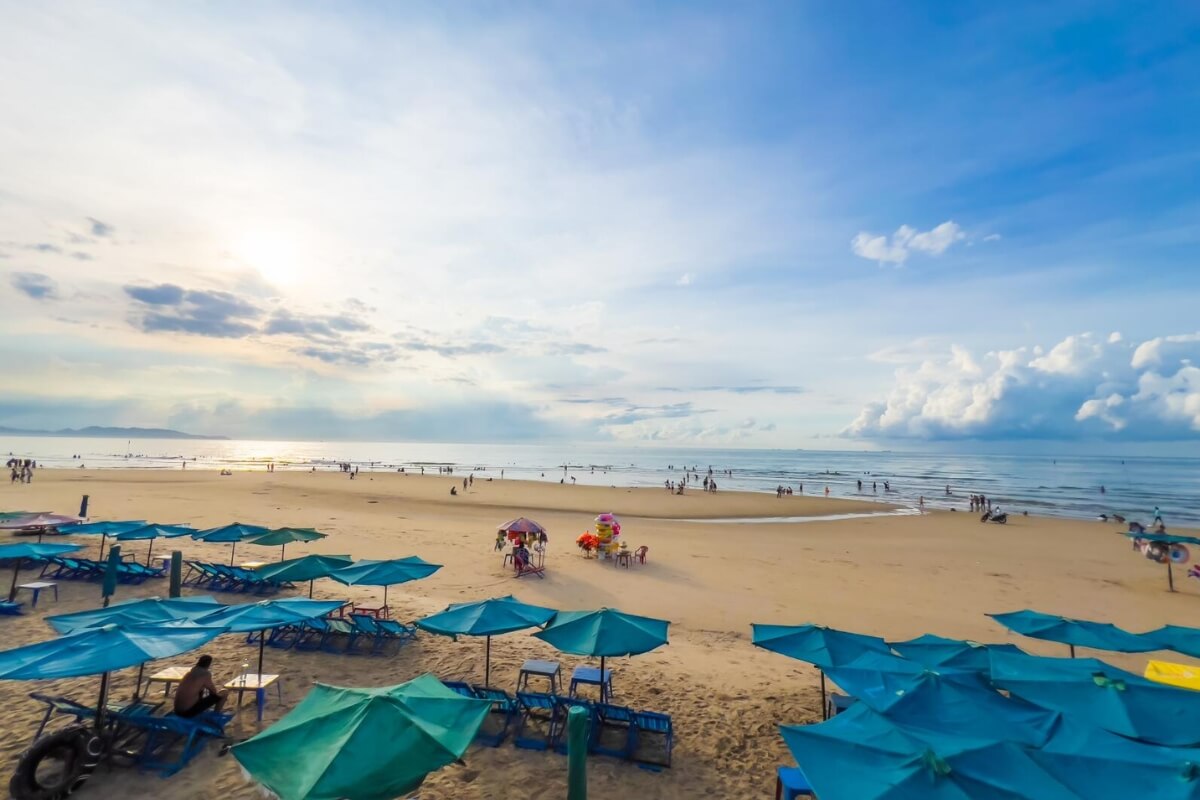
The sand here is golden and clean, and the water is generally calm during dry season months. Compared to central Vietnam beaches, Ho Tram feels less urban and more retreat-oriented.
Because it is less crowded than Vung Tau, Ho Tram has become popular among expatriates and international travelers looking for a peaceful weekend by the sea.
Best time to visit: December to April
Ideal for: Weekend escapes, resort stays, spa retreats
4. Nam Du Islands – Rustic and Untouched
For those searching for raw, undeveloped Vietnam beaches, Nam Du Islands offer a truly off-the-grid experience. Located south of Phu Quoc, this small archipelago remains largely untouched by mass tourism.
Beaches here are simple and natural, with crystal-clear water and minimal infrastructure. Electricity and accommodations are more basic compared to Phu Quoc, but that is part of the appeal.
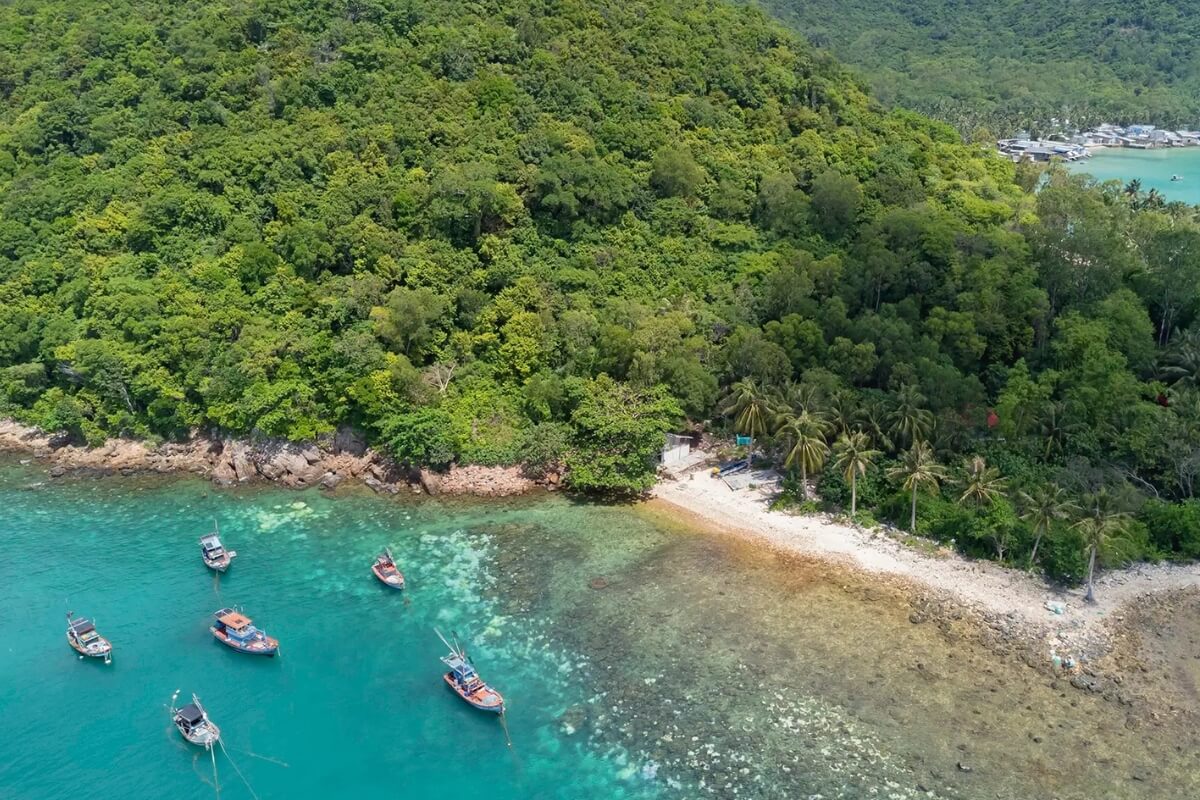
Nam Du’s charm lies in its authenticity. Fishing boats line the shore, seafood is freshly grilled on the beach, and sunsets feel intimate and quiet.
Travelers who prioritize pristine nature over luxury often rank Nam Du among Vietnam's best beaches for adventure and simplicity.
Best time to visit: December to April
Best for: Backpackers, explorers, photographers
Frequently Asked Questions About Vietnam Beaches
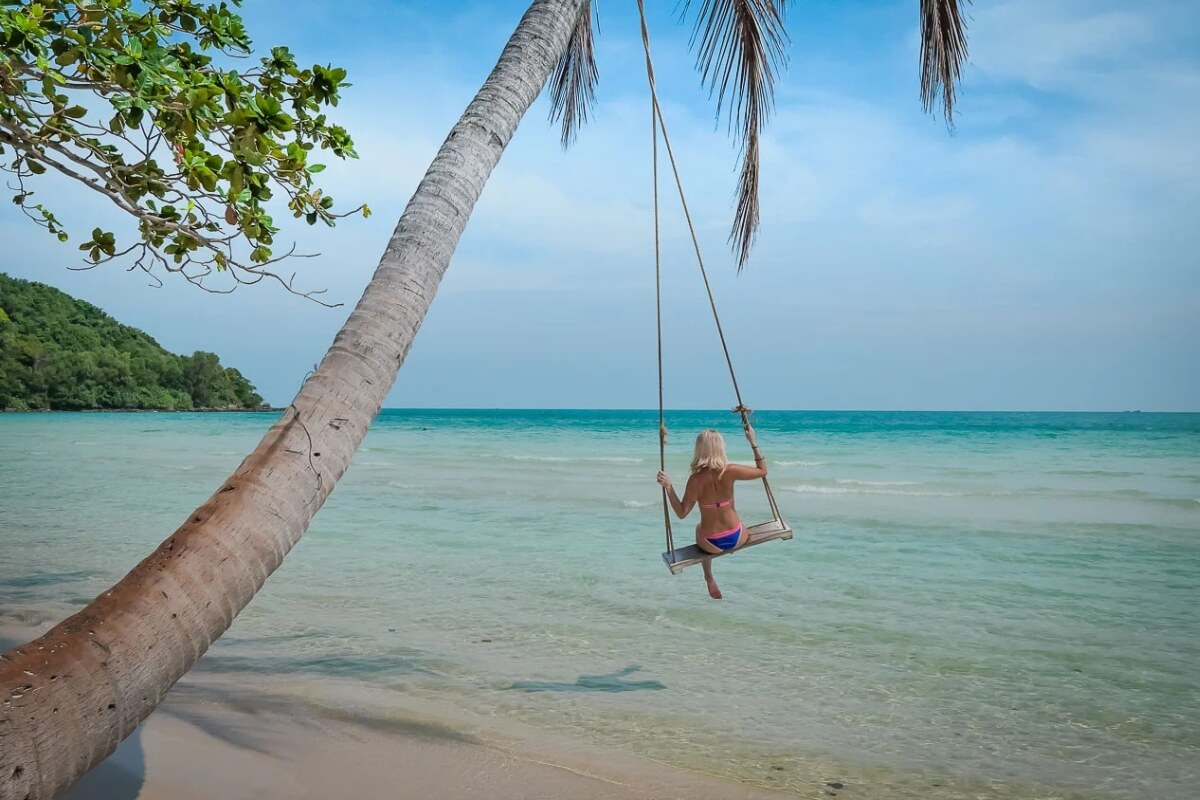
What are the best beaches in Vietnam?
The best beaches in Vietnam include Phu Quoc, Da Nang (My Khe Beach), Nha Trang, Con Dao, and Quy Nhon (Ky Co Beach).
Southern islands offer tropical scenery, central beaches provide long sandy coastlines, and northern beaches near Ha Long Bay are known for dramatic limestone landscapes.
When is the best time to visit Vietnam beaches?
The best time to visit Vietnam beaches depends on the region:
- Southern Vietnam (Phu Quoc, Con Dao): November to April
- Central Vietnam (Da Nang, Hoi An, Nha Trang): February to August
- Northern Vietnam (Ha Long, Cat Ba): May to September
There is always at least one region with good beach weather year-round.
Are there good beaches near Ho Chi Minh City?
Yes. The most popular beaches near Ho Chi Minh City are Ho Tram, Vung Tau, and Long Hai, all located about 2–3 hours away by car. Ho Tram is known for quiet resort beaches, while Vung Tau is a lively local seaside city. These are convenient options for short coastal getaways without flying to island destinations.
Are Vietnam beaches safe for swimming?
Yes, most Vietnam beaches are safe during the dry season. Popular beaches in Da Nang, Phu Quoc, and Nha Trang have calm waters and designated swimming areas. Avoid swimming during stormy or monsoon periods when waves can be strong.
Which Vietnam beaches have the clearest water?
For the clearest water, choose Phu Quoc, Con Dao, or Ky Co Beach (Quy Nhon). These destinations are known for turquoise water and good snorkeling conditions.
Are Vietnam beaches expensive?
No. Vietnam beaches are generally affordable compared to Thailand or the Maldives. Accommodation ranges from budget hotels to luxury beachfront resorts, and seafood is reasonably priced.
Are Vietnam beaches good for families?
Yes. Da Nang, Phu Quoc, and Ho Tram are especially family-friendly, offering wide sandy beaches, calm water, and modern resorts.
Are Vietnam beaches crowded?
Some beaches can be busy during peak seasons (June–August and December–April). However, Vietnam’s long coastline means you can easily find quieter beaches, especially in Con Dao, Quy Nhon, or lesser-known islands.
Which Vietnam beaches are best for honeymooners?
Phu Quoc and Con Dao are considered the best beaches in Vietnam for honeymooners due to private resorts, sunset views, and peaceful island settings.
Can I combine beach and cultural travel in Vietnam?
Yes. One of the advantages of Vietnam beaches is proximity to cultural landmarks. You can combine beach time with Hanoi, Hoi An, Hue, or Ho Chi Minh City for a balanced itinerary.
If you are planning to explore the best Vietnam beaches with expert local support, visit Saigon Local Tour for trusted travel guidance, customized itineraries, and authentic experiences across Vietnam. Whether you’re looking for a relaxing escape in Phu Quoc, a cultural beach stay in Da Nang, or a hidden island adventure in Con Dao, our local team ensures seamless service, transparent pricing, and carefully designed tours tailored to international travelers. Discover more and start planning your Vietnam beach journey today at https://www.saigonlocaltour.com/
