
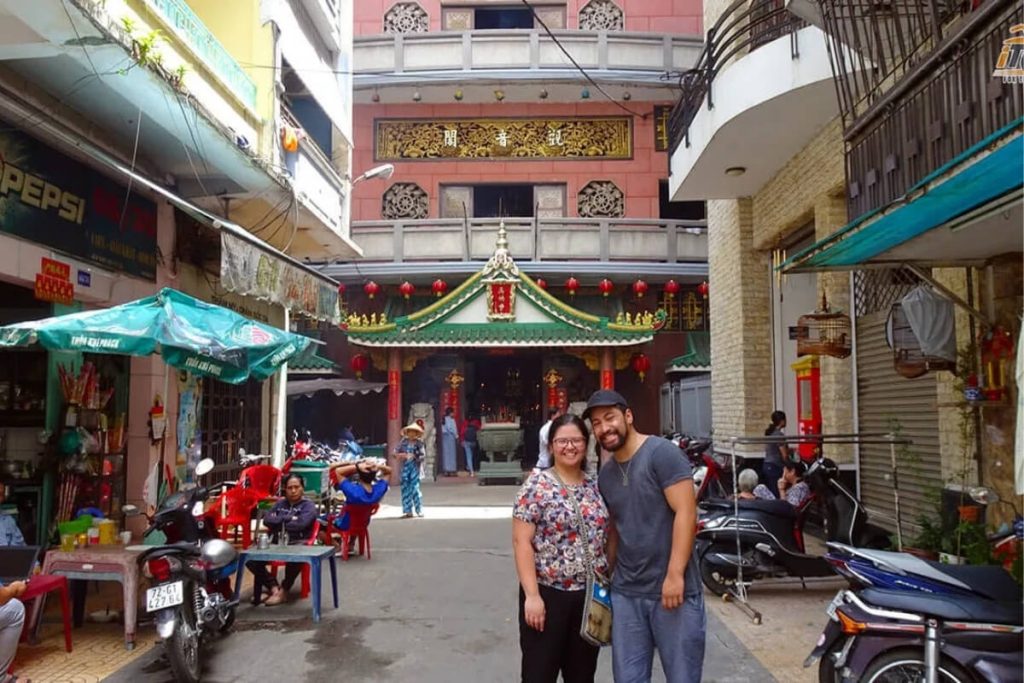
Saigon Alley - Where the Soul of the City Truly Lives
When travelers think about Saigon, images of motorbikes, skyscrapers, and buzzing boulevards usually come to mind. But to truly understand the city, you need to step away from the main roads and wander into its alleyways. Saigon alleyways are not shortcuts or forgotten corners—they are the backbone of everyday life, where millions of residents live, eat, worship, and connect.
In Ho Chi Minh City, more than half of the population resides in alleys that branch off the city’s major streets like veins. These narrow passages, often only wide enough for a motorbike, reveal a quieter, more intimate version of Saigon. This is where the concept of saigon hidden alley becomes more than a travel phrase—it becomes a lived experience that most first-time visitors never see.
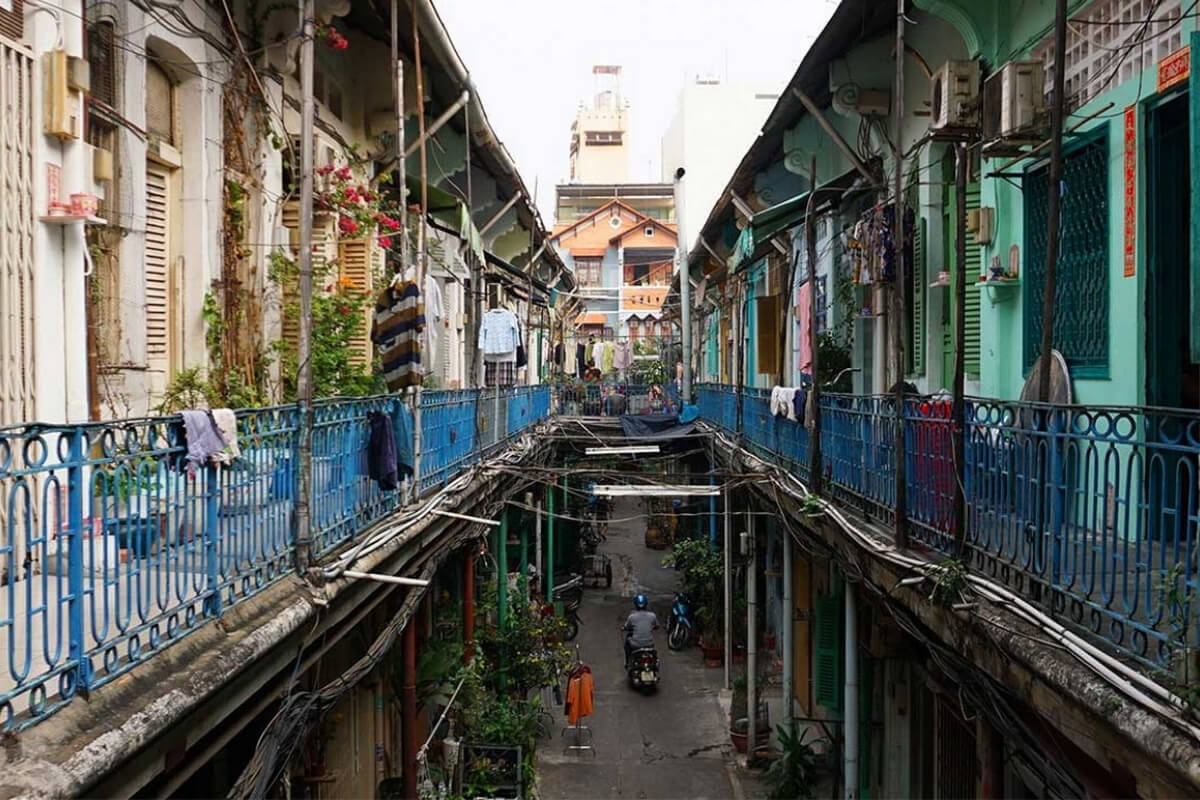
Unlike the polished attractions of District 1, Saigon alleyways invite you to slow down, observe, and participate. The moment you step inside, traffic noise fades, replaced by the sound of clinking bowls, distant conversations, and children laughing as they play outside their homes. This is exactly why immersive Ho Chi Minh City tours that focus on local neighborhoods are becoming increasingly popular among travelers who want more than surface-level sightseeing.
Exploring these spaces with a knowledgeable local guide can transform a simple walk into a deeper cultural journey. A thoughtfully designed Saigon Local Tour doesn’t just show you where to go—it helps you understand how alley life shapes the identity of the city, offering context, stories, and human connections that are impossible to find on your own.
Why Saigon Alleyways Matter to Local Life
Saigon’s alley culture is deeply rooted in history, community, and practicality. As the city expanded rapidly in the 20th century, neighborhoods grew inward rather than outward. Homes clustered together, and alleyways became shared living rooms, kitchens, and playgrounds.
Walking through a Saigon hidden alley, you’ll notice doors wide open. Families cook together at ground level, elders sip tea while watching the world pass by, and neighbors greet each other like extended relatives. This openness is not staged for visitors—it’s simply how life works here.
What You’ll Discover Inside a Saigon Hidden Alley
Every Saigon alley has its own rhythm, but certain experiences repeat across the city. Early mornings bring the smell of grilled pork, sticky rice, and fresh coffee drifting through the air. Small markets appear spontaneously, with fruit baskets laid directly on the pavement. Shrines dedicated to ancestors or local spirits glow softly with incense.
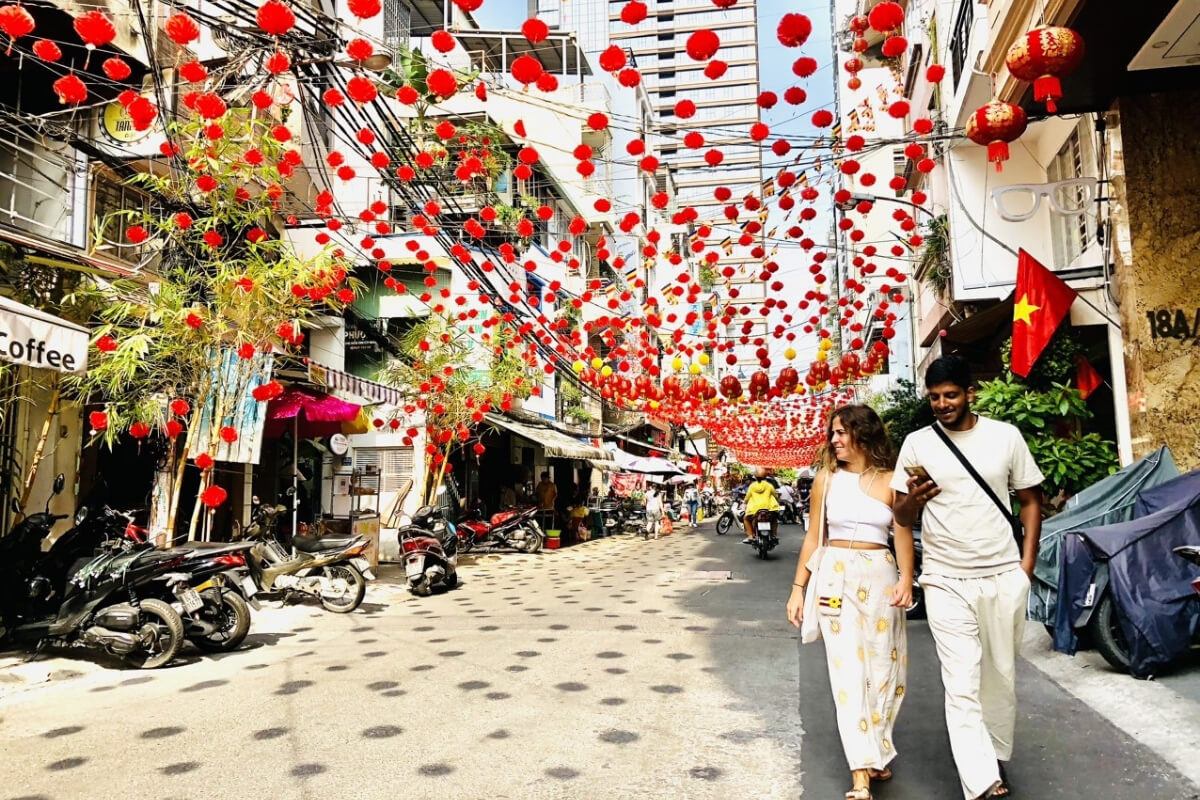
Street food is the heartbeat of Saigon alleyways. Many of the city’s most beloved dishes are cooked here, not in restaurants. Sitting on a low plastic stool, sharing a meal inches away from someone’s home, feels personal and grounding. These moments explain why alley dining often feels more memorable than upscale restaurants.
Architecture is another quiet highlight. French colonial balconies, Chinese-style shophouses, and modern concrete homes coexist in tight harmony. Each wall tells a story of migration, resilience, and adaptation.
Statue-Making Alley - A Living Craft Tradition
Tucked deep within Saigon’s Chinatown in District 6, Statue-Making Alley is one of the city’s most quietly remarkable hidden alley experiences. Unlike alleys known for food or nightlife, this narrow passage tells a different story—one of patience, craftsmanship, and traditions passed down through generations. Walking into this Saigon alley feels like stepping into a living workshop where time slows and hands, not machines, shape cultural heritage.
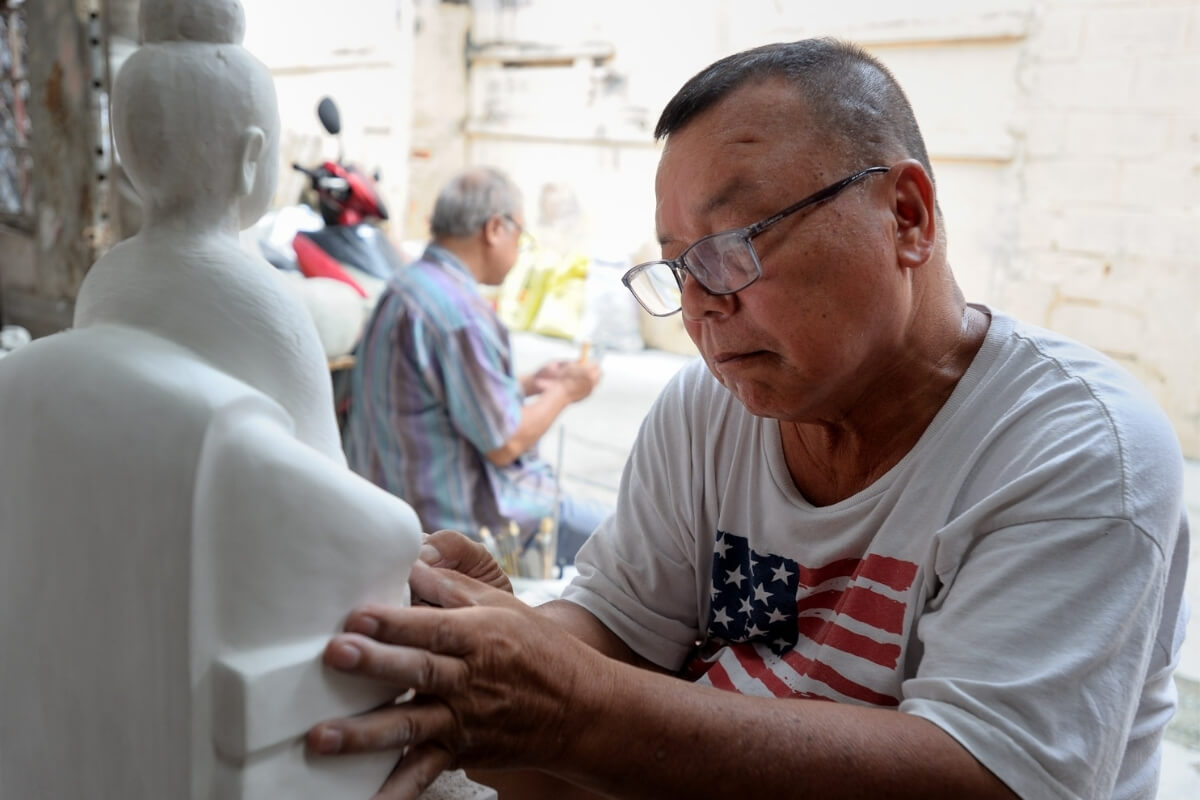
For more than a century, families along this alley have specialized in crafting religious statues, primarily Buddha figures and deities worshipped in Vietnamese and Chinese spiritual traditions. This is not a museum or staged attraction. These are working homes and workshops, where artisans carry out each stage of production in plain sight. Sand molds are shaped by hand, concrete or plaster is poured and left to cure, surfaces are carefully sanded, and finally, details are painted and carved with remarkable precision.
Historically, statues here were carved from jackfruit wood, prized for its durability and spiritual symbolism. As Saigon modernized and demand increased, materials evolved to concrete and plaster, allowing workshops to fulfill orders from temples not only across Vietnam but also overseas. Despite this change, the essence of the craft remains deeply traditional. Techniques are learned informally, often passed from parents to children, reinforcing the alley’s role as a vessel of inherited knowledge rather than commercial production.
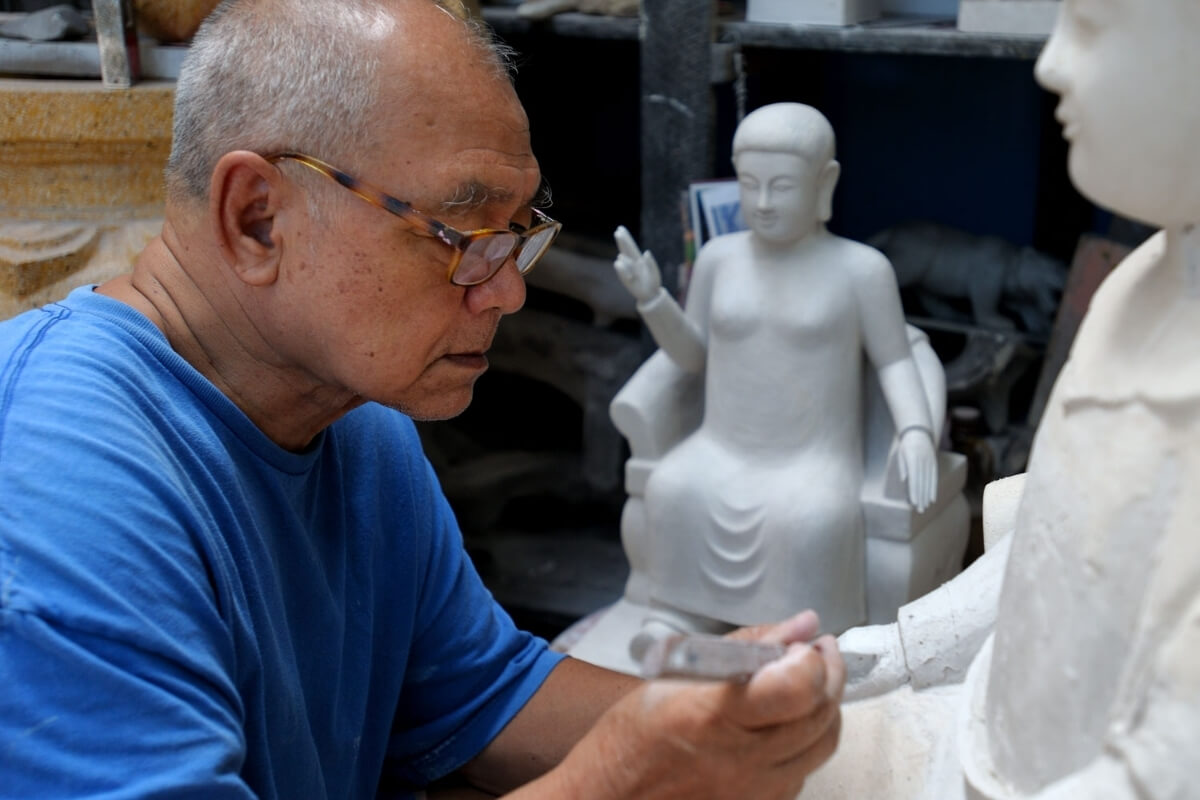
What makes this Saigon alley especially compelling is its openness. Doors are rarely closed. As you walk through, you may see half-finished statues lined along the walls, their unpainted faces giving the space an almost surreal atmosphere. Artisans work calmly amid dust, tools, and drying sculptures, fully absorbed in their craft. Many are happy to exchange a few words with curious visitors, offering insight into their process and pride in preserving a fading tradition.
This alley also reflects the cultural layers of Ho Chi Minh City, where Vietnamese and Chinese influences blend naturally. The statues produced here often end up in pagodas, family shrines, and community temples, reinforcing the connection between craft, belief, and daily life. In this sense, Statue-Making Alley is not just about objects—it is about continuity, faith, and identity.
Ho Thi Ky Flower Alleys
As daylight fades in District 10, the narrow lanes surrounding Ho Thi Ky Street awaken into one of the most atmospheric Saigon hidden alley experiences in the city. By day, these alleys feel modest and residential. By night, they transform into a living stage where flowers, food, and local life collide in a way that feels uniquely Saigon. Exploring the Ho Thi Ky flower alleys after dark reveals a side of alleyways that thrives on energy, community, and sensory overload.
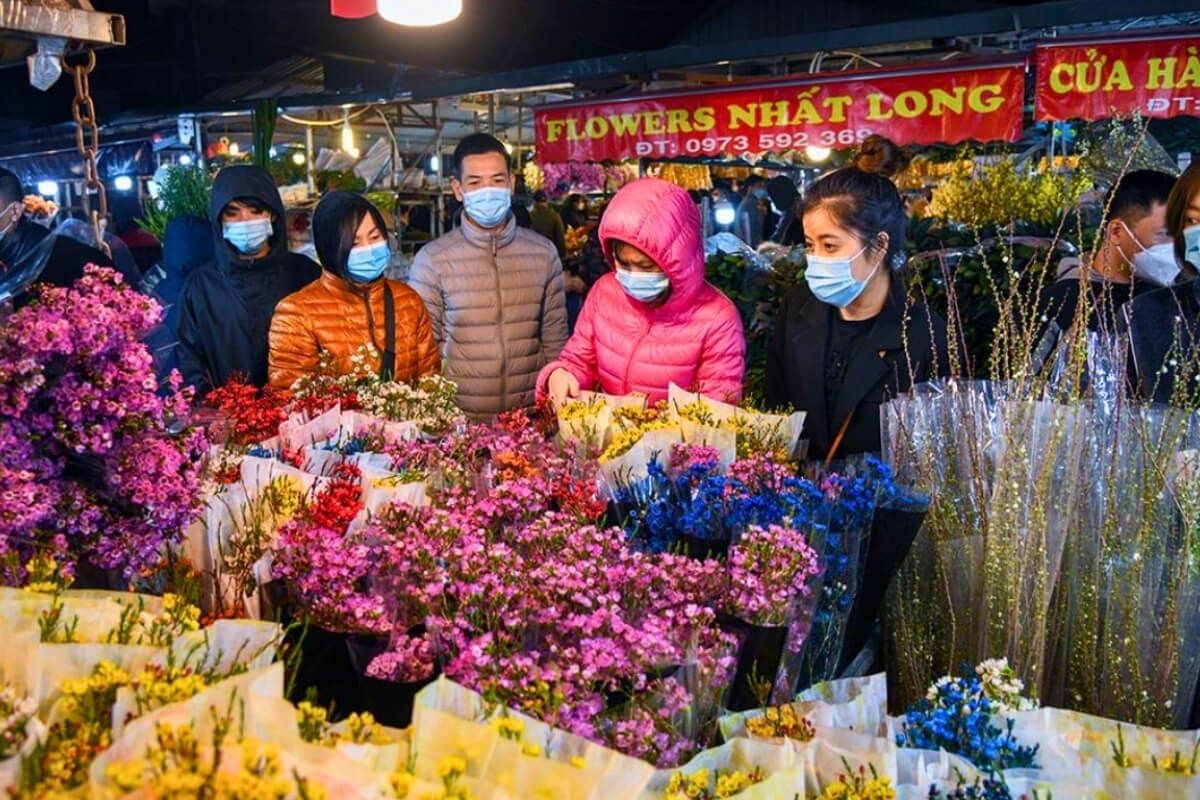
Ho Thi Ky is best known as Saigon’s largest wholesale flower market, supplying blooms to vendors across the city and beyond. After sunset, trucks arrive from the Mekong Delta loaded with fresh flowers—roses, lilies, chrysanthemums, orchids—filling the alleys with color and fragrance. Under harsh white bulbs and flickering neon lights, vendors sort, trim, and bundle flowers at impressive speed. The scent of blossoms mixes with incense smoke and street food, creating an atmosphere that feels both chaotic and strangely poetic.
What makes this Saigon alley particularly compelling is how seamlessly the flower trade merges with daily life. Families live just steps away from towering stacks of blooms. Children do homework beside flower crates, while elders sit quietly watching the night unfold. This coexistence between commerce and home life is a defining feature of alleyways, and Ho Thi Ky captures it at full intensity.
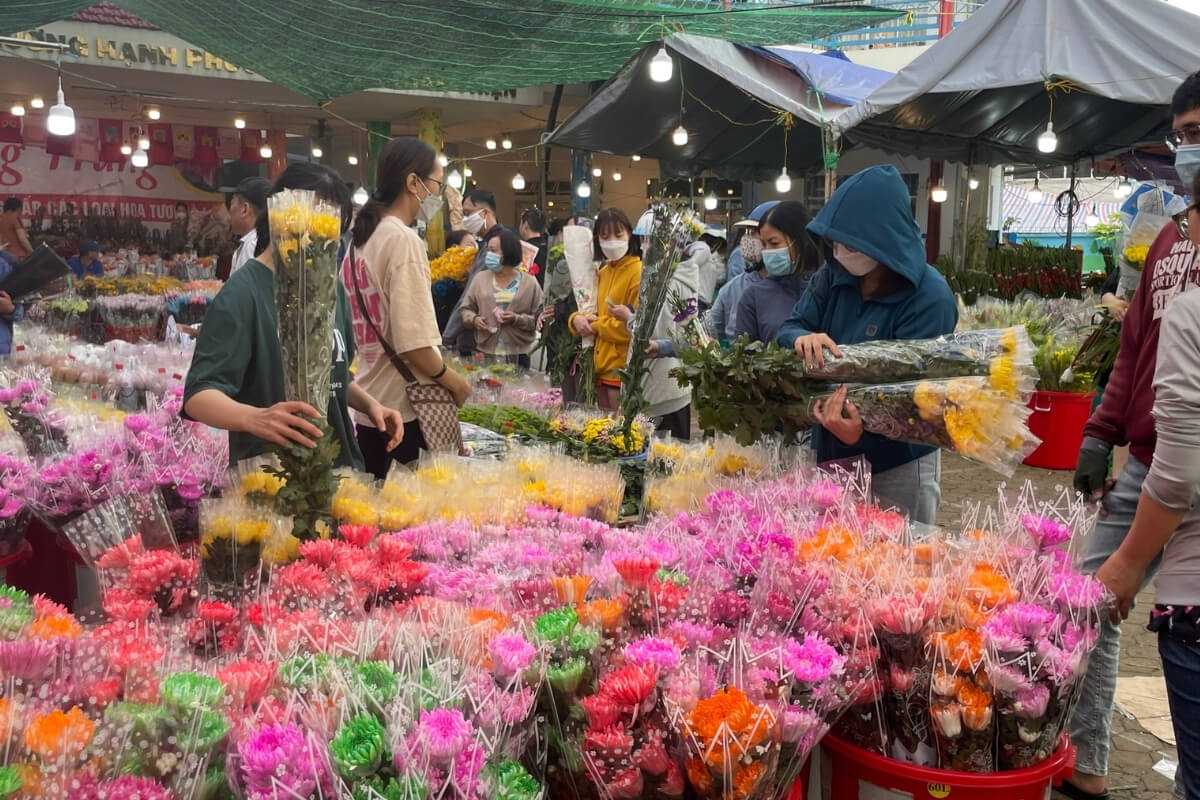
Beyond flowers, the surrounding alleys are famous for their street food scene, which truly comes alive at night. Food stalls line the narrow passages, offering dishes from across Vietnam and neighboring countries. You’ll find sizzling grills, bubbling pots of broth, and plastic stools packed tightly together. Locals gather here after work, drawn by affordability, variety, and the comfort of familiar flavors. Eating in these alleys feels spontaneous and social—meals are shared, conversations overlap, and strangers sit shoulder to shoulder.
Doan Van Bo Alleys - The Taste of Local Saigon
If you want to understand Saigon through flavor rather than landmarks, the Doan Van Bo alleys in District 4 are an essential stop. This dense web of saigon alleyways stretches between major streets like Hoang Dieu and Vinh Khanh, yet once inside, the city feels entirely different. Here, food is not a trend or an attraction—it is daily life, unfolding in narrow passages where kitchens spill onto the pavement and recipes have been perfected over decades.
District 4 has long been known as a working-class area shaped by migration and resilience, and its alley culture reflects that history. The Doan Van Bo alleys form a geometric maze leading toward Xom Chieu Market, with each turn revealing another layer of local life. Homes, food stalls, and small shops exist side by side, separated only by a few steps. This closeness creates an atmosphere that feels social, informal, and deeply authentic—hallmarks of a true hidden alley experience.
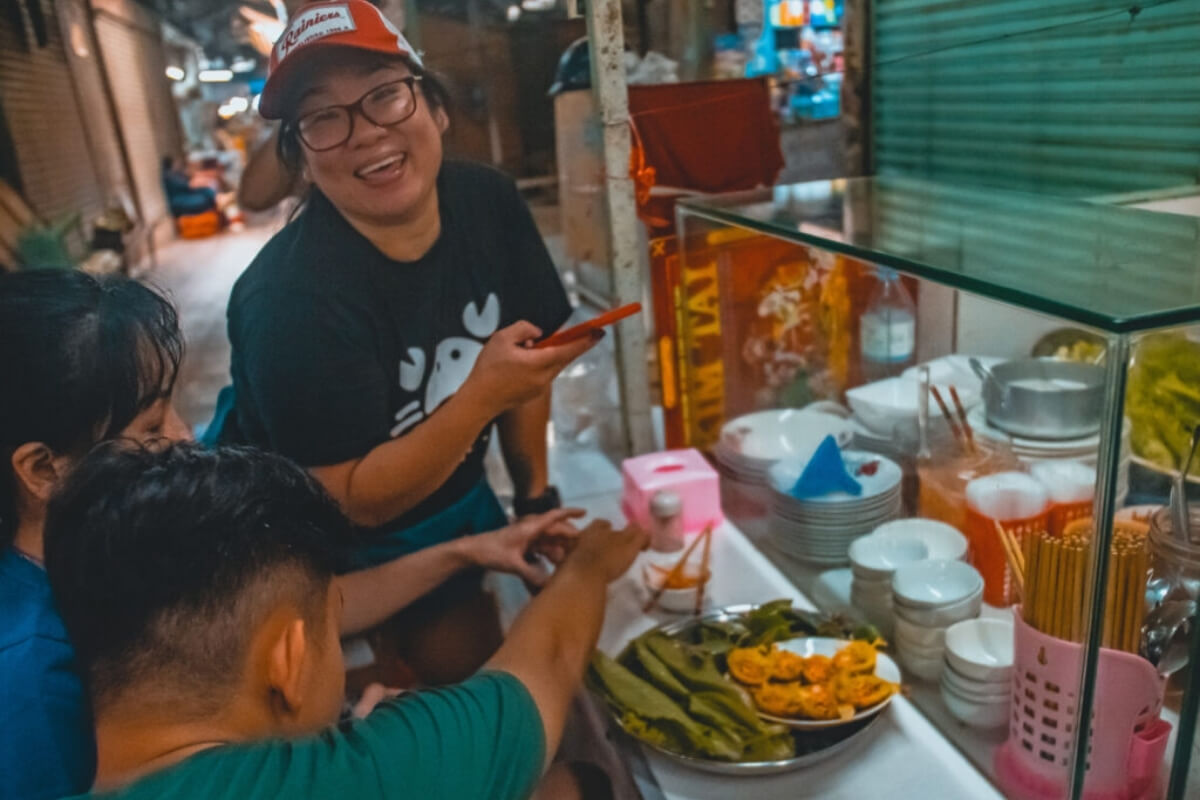
Food is the undeniable star here. As the afternoon turns into evening, the alleys come alive with the sounds of chopping, frying, and boiling. Vendors set up directly in front of their homes, cooking dishes that locals recognize instantly. Bowls of rich crab soup, plates of grilled seafood, sticky rice, and savory snacks appear one after another, each reflecting the culinary identity of District 4. Many stalls have no signboards and no menus—customers arrive because they already know, or because they follow the crowd.
What sets the Doan Van Bo alleys apart from other alleyways is their raw, unpolished energy. This is not a place curated for tourists. Plastic stools are low, space is tight, and conversations overlap as strangers sit close together. Eating here feels communal and spontaneous, reinforcing how food in Saigon is about connection as much as taste.
Hao Si Phuong Alley - Layers of History and Community
Hidden behind Tran Hung Dao Street in District 5, Hao Si Phuong Alley is one of the rare Saigon hidden alley spaces where history, culture, and community remain tightly interwoven. Unlike many alleyways shaped mainly by convenience, this passage carries more than a century of lived memory. Walking through Hao Si Phuong feels less like exploring a place and more like stepping into a story that continues to unfold quietly every day.
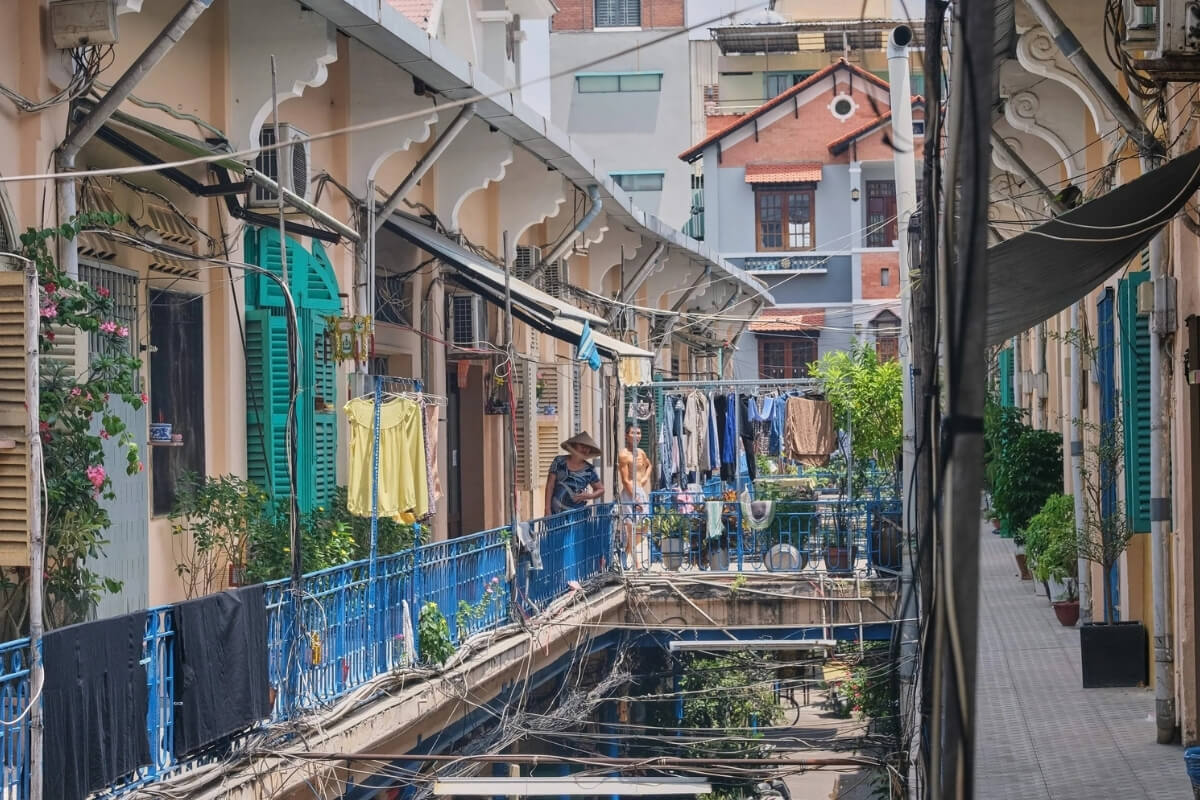
Established over 100 years ago, Hao Si Phuong Alley was originally developed with the support of French colonial authorities and became home to members of the Chinese community who settled in what is now Saigon’s Chinatown. Over time, Vietnamese families joined the neighborhood, creating a layered cultural identity that still defines the alley today. This blend of influences is visible not only in architecture, but also in rituals, food, and social customs that coexist naturally.
Spiritual life is woven deeply into the rhythm of Hao Si Phuong Alley. Small Buddhist prayer houses and household altars appear throughout the space, quietly marking moments of devotion amid daily routines. Incense smoke drifts through the corridor in the early morning, while soft chanting or murmured prayers add to the atmosphere. These practices are not ceremonial displays but integral parts of life, passed down through generations.
What truly distinguishes this saigon hidden alley is its sense of continuity. Many families have lived here for decades, some for multiple generations. Neighbors know one another intimately, sharing meals, celebrations, and responsibilities. Children grow up within the same walls their grandparents once walked, creating a rare stability in a city known for constant change. This enduring social fabric is increasingly uncommon, making Hao Si Phuong Alley culturally significant beyond its physical form.
For visitors, the alley offers insight rather than spectacle. The best time to explore is early in the morning, when residents begin their day and the alley feels most alive with routine activities. Respect is essential—this is a living community, not an open-air museum. Photography should be approached with sensitivity, and quiet observation is often more rewarding than documentation.
How to Explore Saigon's Hidden Alley the Right Way
The best way to experience Saigon alleyways is on foot, without rushing. Aimless wandering often leads to the most meaningful encounters. However, cultural awareness matters. Always ask before photographing people, dress modestly near temples, and greet locals with a smile.
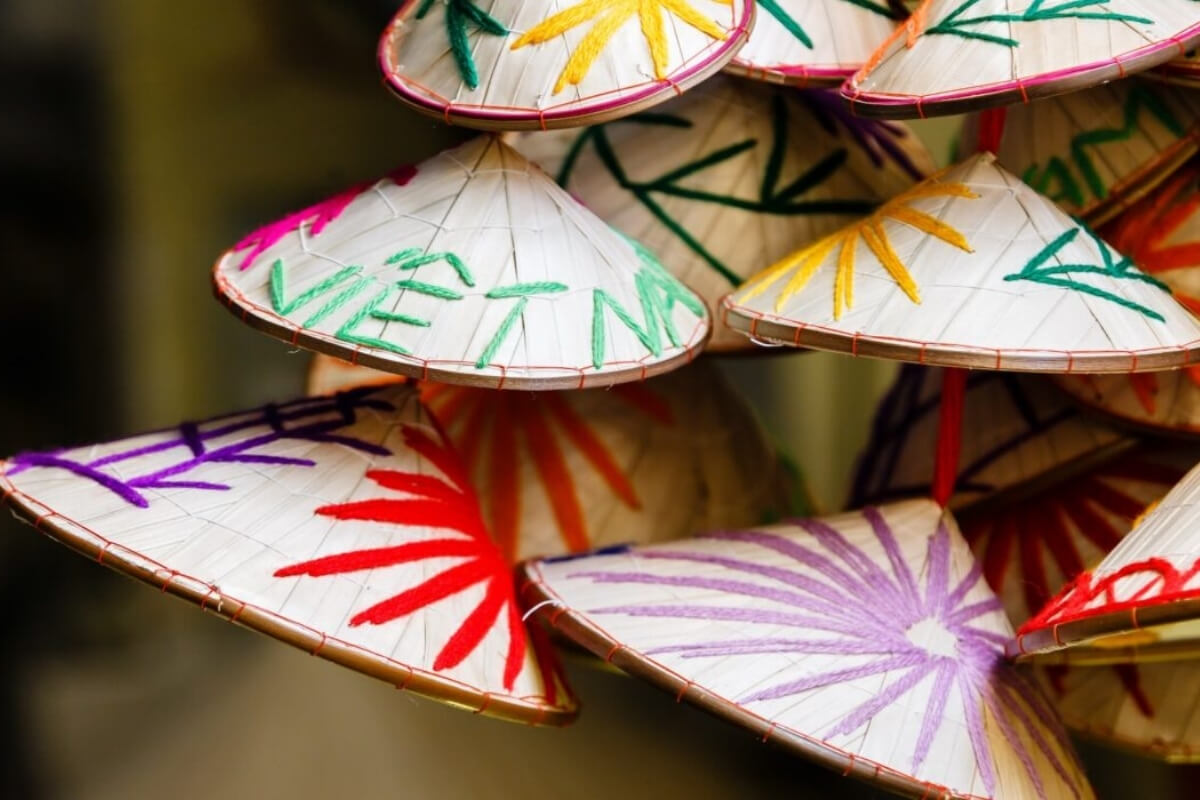
For travelers who want a deeper context, exploring with a knowledgeable local guide makes a significant difference. Saigon Local Tour specializes in off-the-beaten-path experiences, helping visitors understand not just what they see, but why it matters.
Saigon alleyways are not attractions you tick off a list. They are living spaces that reveal the city’s heart. Every Saigon hidden alley tells a story of resilience, community, and everyday beauty. If you want to understand Saigon beyond postcards and landmarks, start by turning into an alley and walking until you’re lost—because that’s where the city begins to make sense.
